Montana Eye Protection on a Road Ride
Heading out on your ATV or UTV in Montana can be an incredible experience, especially when you hit those open stretches of county road connecting trails or just enjoying the scenery. But let's be real, a quick ride can turn nasty in a heartbeat if something flies into your eyes. Too many riders overlook how crucial proper eye protection is, not just for legal compliance, but for their own safety and enjoyment. This guide will dive deep into Montana's eye protection requirements for road riding, explore the practical dangers, and help you choose and maintain the right gear so you can ride with confidence and clear vision.
Why Eye Protection Isn't Just a Suggestion in Montana
It’s easy to think of eye protection as one of those "good idea" things, like wearing sunscreen or bringing enough water. But when you’re on an ATV or UTV, especially on Montana’s public roads, eye protection moves squarely into the "absolute necessity" category. The Big Sky Country throws a lot more than just beautiful views at you; it also offers up dust, gravel, bugs, and strong winds, all of which can turn a scenic ride into a dangerous one without the right gear.
The Legal Mandate for Safety
Montana's regulations for off-highway vehicles (OHVs) and their use on public roads are designed with rider safety in mind, and that absolutely includes protecting your eyes. While the rules can sometimes feel like a bit of a maze, the core intent is crystal clear: keep riders safe. When you're operating an ATV or UTV on a designated county road or a street where OHVs are permitted, the expectation is that you're geared up for the ride. This isn't just about avoiding a ticket; it's about adhering to the common-sense safety standards that prevent serious injury. The state understands that a momentary loss of vision from a pebble, a bug, or even just heavy wind can lead to a loss of control, and that's something no one wants. [What Montana Requires on an OHV Road Ride] often includes specific mention of eye protection, alongside helmets for younger riders and other essential safety equipment. It’s part of the comprehensive approach to ensuring that these powerful machines are operated responsibly, protecting not just the rider but also others on the road.
Enforcement of these rules falls to local law enforcement, including county sheriffs and game wardens. They're not out there to ruin your fun, but to ensure everyone is operating within the legal framework that promotes safety. If you're pulled over and not wearing appropriate eye protection on a public road, you could be facing a citation. This isn't a federal mandate or a suggestion; it's a specific requirement when you choose to take your machine onto shared roadways. Understanding and complying with this rule is a fundamental part of being a responsible OHV rider in Montana.
Beyond the Law: Practical Dangers on Montana Roads
Even if there weren't a single law on the books about eye protection, the sheer reality of riding an ATV or UTV on a Montana road would make it a non-negotiable piece of gear. Think about it: you're often exposed to the elements in a way you wouldn't be in a car. On a dusty gravel road, the tires of a passing pickup truck can kick up a plume of fine particles that reduces visibility to zero in an instant, and those particles can sting if they hit your eyes. A sudden gust of wind can throw a small rock or a piece of roadside debris right into your path. I’ve personally had bugs the size of small birds smack into my face shield with enough force to make me flinch – imagine that directly hitting your eye.
The sun can be relentless in Montana, too, especially at certain times of day or when you're riding in open country. Squinting against the glare isn't just uncomfortable; it reduces your ability to see hazards, other vehicles, or even the road surface itself. When you're trying to navigate uneven terrain or keep an eye out for wildlife, clear and unobstructed vision is paramount. This isn't just about discomfort; it's about accident prevention. A split-second distraction or loss of vision due to an unprotected eye can lead to veering off the road, hitting an obstacle, or even a collision with another vehicle. Your vision is your most critical tool when riding, and compromising it by foregoing eye protection is simply taking an unnecessary and significant risk.
What Counts as "Eye Protection" Under Montana Rules?
Okay, so we know why you need eye protection, but what exactly does "eye protection" mean in the eyes of Montana law and for practical safety? It's not just any old pair of glasses. The intent is to provide a physical barrier that can withstand impacts and keep the elements out, ensuring your vision remains clear and your eyes stay safe.
Approved Types of Eye Protection
Generally speaking, when Montana regulations refer to eye protection for OHV road riding, they're looking for gear that offers substantial coverage and protection. This usually includes:
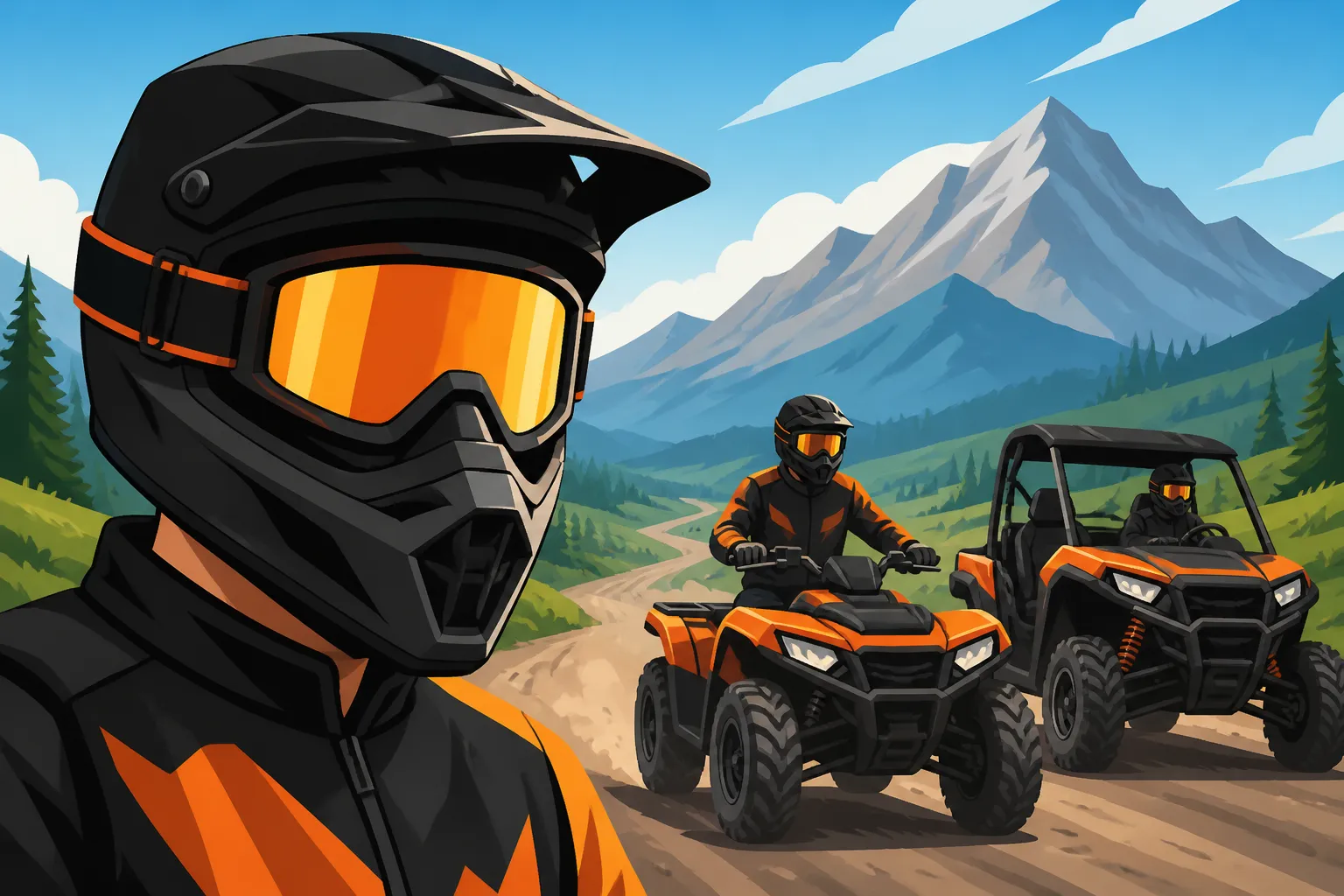
- Goggles: These are probably the most common choice for ATV and UTV riders. They fit snugly over your eyes and often integrate seamlessly with an open-face helmet. Good quality goggles are designed to keep out dust, dirt, wind, and debris, and often have anti-fog coatings to maintain clarity. They typically come with impact-resistant lenses. You can find excellent options specifically designed for off-road use, which are often more robust than general-purpose safety glasses.
- Face Shields: Many full-face or modular helmets come equipped with integrated face shields. These shields offer comprehensive coverage for your entire face, from above your eyebrows down to your chin. They are generally made from impact-resistant polycarbonate and provide excellent protection against wind, dust, and projectiles. The key here is to ensure the face shield is properly lowered and securely latched while riding on the road.
- Safety Glasses: While traditional sunglasses or prescription glasses alone aren't usually sufficient, dedicated safety glasses that meet ANSI Z87.1 standards can be an option, particularly if they are designed to wrap around and provide side protection. However, they generally offer less comprehensive protection against fine dust and wind compared to goggles or a full face shield. If you do opt for safety glasses, ensure they are specifically rated for impact and have a secure fit that won't slip down your nose over bumps. Many riders who wear prescription glasses will wear goggles over them, or use a full-face helmet with an integrated shield. For specific parts and accessories like tough, impact-rated goggles or durable side-by-side windshields that offer excellent protection, brands like SuperATV offer a wide range of options that meet the rigorous demands of off-road and on-road riding.
The common thread among these approved types is their ability to physically shield your eyes from the dangers we discussed earlier. They create a barrier that keeps foreign objects out and helps maintain clear vision, even when you're kicking up dust or facing a headwind.
What Doesn't Count (And Why It's Risky)
It's equally important to understand what doesn't typically qualify as adequate eye protection under Montana's rules, and more importantly, why relying on these insufficient options can put you at serious risk.
- Standard Sunglasses or Eyeglasses Alone: While they might protect your eyes from the sun's glare, regular sunglasses and prescription eyeglasses are generally not designed for impact resistance. A small rock kicked up by a passing vehicle could easily shatter a standard lens, turning your "protection" into a new hazard of shards near your eyes. Furthermore, they often don't seal around the eyes, meaning dust, wind, and small debris can still easily get in, causing irritation, blurry vision, and discomfort.
- Open-Face Helmets Without Additional Eye Protection: An open-face helmet provides excellent head protection, but by its very design, it leaves your face exposed. If you're wearing an open-face helmet without goggles or a separate face shield, you're essentially riding with unprotected eyes. This is a common mistake and one that can lead to immediate issues on a dusty road or with high winds. [DOT Helmet Standards Montana Accepts] are crucial for head protection, but even a DOT-approved open-face helmet needs that additional eye barrier.
- Relying Solely on a UTV Windshield: This is a big one for side-by-side owners. While a windshield on a UTV offers significant protection from direct wind and larger debris, it is rarely a complete shield for your eyes, especially in dusty conditions or at speed. Wind can swirl around the sides and top of the windshield, carrying fine dust and small particles directly into the cab. If you're going fast, or if the road is particularly rough, dust clouds can enter the cabin from beneath the machine. For maximum protection, even with a windshield, many UTV riders choose to wear goggles or safety glasses, particularly if they are driving with the windows open or in especially dirty environments. Think of a windshield as supplementary protection, not a standalone solution for your eyes.
The risk with these insufficient forms of eye protection isn't just about a potential ticket; it's about the very real possibility of temporary blindness, eye injury, or a critical distraction that leads to an accident. When you're [Riding an OHV on the Road in Montana], you need to be fully prepared for any eventuality, and clear vision is at the top of that list.
Specific Scenarios and Age Groups
Eye protection isn't a one-size-fits-all discussion. Depending on who's riding, their age, and where they're sitting in the machine, the requirements and best practices can shift slightly. Understanding these nuances ensures everyone in your riding party is adequately protected.
Adults Riding on Public Roads
For adults operating an ATV or UTV on Montana's public roads, the expectation for eye protection is straightforward: it must be worn. There's no specific "minimum age" for this, as it applies to any licensed operator. Whether you're on a four-wheeled ATV, a three-wheeled ATV (if you can even find one these days!), or a side-by-side, if it's on a road where OHVs are permitted, your eyes need to be covered. This applies equally if you're riding a standard ATV with an open face or a UTV with a windshield. As mentioned before, even with a windshield, ambient dust and swirling wind can get to your eyes, so goggles or a face shield are still the safest bet.
The type of machine doesn't change the basic requirement, but it might influence your choice of gear. ATV riders almost universally opt for goggles, which pair well with open-face helmets. UTV drivers and passengers, while benefiting from a windshield, often find that quality safety glasses or even goggles are still necessary to block the finer dust and side-wind that sneak into the cab. [Driver's License Rules for Montana Road Riding] mean that if you're legally operating your machine on the road, you're also expected to meet the equipment requirements, including eye protection. It's all part of the package deal for safe and legal road use.
Young Riders and Passengers
When it comes to minors, Montana's regulations add another layer of protection, particularly concerning helmets, which inherently impacts eye protection. Generally, riders under the age of 18 in Montana are required to wear a DOT-compliant helmet when operating an OHV, regardless of whether they are on public land or a public road. [Montana Helmet Rules for Riders Under 18] are very clear on this. When a helmet is mandated, integrated eye protection like a face shield, or separate eye protection like goggles, almost always accompanies it.
For young riders on roads, ensuring their eye protection is secure and properly fitted is even more critical. Children may not always articulate discomfort or vision issues as readily as adults, so parents and guardians need to be extra vigilant. If a child is operating an ATV, they should have well-fitting goggles that seal properly against their face and helmet. For children riding as passengers in a UTV, even if there's a windshield, they should still wear safety glasses or goggles. Wind and dust affect little eyes just as much, if not more, and their vision needs to be completely unobstructed for safety. Remember, [Montana Rules for a 12-Year-Old on a Road] include specific stipulations about both operator age and required safety gear, of which eye protection is a key component. Never take chances with a child's safety; ensure they have the absolute best protection available.
Passengers in Side-by-Sides
The question of eye protection for passengers in side-by-sides often arises, particularly because UTVs offer a more "contained" experience than traditional ATVs. However, "contained" doesn't mean fully enclosed like a car. Most UTVs have open sides or doors, and even those with full cab enclosures can still have gaps or, more commonly, open windows. As mentioned, dust, small debris, and wind can easily swirl into the passenger compartment, especially on gravel roads or at higher speeds.
Therefore, the safest and most compliant approach is for all passengers in a UTV, regardless of whether it has a windshield or not, to wear appropriate eye protection. This could be goggles for optimal sealing, or sturdy, wraparound safety glasses. Even if you have a full, aftermarket windshield from SuperATV installed, which greatly reduces direct wind and debris, those fine dust particles still have a way of finding their way in. Imagine being a passenger, relaxed and enjoying the scenery, only to have a sudden gust of wind blow grit into your eyes. It's not just uncomfortable; it can cause a sudden involuntary movement or distraction for the driver. Prioritize safety for everyone in the machine; ensure they have their eyes covered and protected.
Choosing the Right Eye Protection for Montana's Conditions
Selecting the right eye protection isn't just about meeting the minimum legal standard; it's about optimizing your vision and comfort for the varied conditions you'll encounter across Montana. From bright sun to dusty trails, and even chilly mornings, your gear needs to perform reliably.
Factors to Consider: Fit, Fogging, and Tint
When you're shopping for eye protection, don't just grab the first pair you see. A few key factors will make all the difference in your riding experience:
- Fit: This is paramount. Goggles need to fit snugly and comfortably around your face and, if applicable, integrate well with your helmet. A poor fit means gaps where dust, wind, and debris can easily get in. For safety glasses, ensure they wrap around your eyes, providing side protection, and stay put without slipping down your nose, even over bumpy terrain. Many brands offer different sizes or adjustable straps to ensure a good fit. If it's too tight, it will be uncomfortable; too loose, and it won't protect effectively.
- Fogging: Nothing is more frustrating, and frankly, dangerous, than eye protection that fogs up. As you exert yourself, your body heat can cause condensation on the inside of the lenses, especially in cooler or humid weather. Look for goggles or face shields with anti-fog coatings or good ventilation systems. Some goggles have vents around the frame to allow airflow, while others have dual-pane lenses that create an insulating layer to prevent condensation. This is a crucial feature, as clear vision is impossible when your lenses are clouded over.
- Tint: The right lens tint can significantly improve your visibility and comfort.
- Clear Lenses: Essential for low-light conditions, riding after dusk (where permitted), or heavily shaded trails. It's always a good idea to carry a clear set if your primary lenses are tinted.
- Tinted/Smoked Lenses: Excellent for bright, sunny Montana days to reduce glare and eye strain. They work similarly to sunglasses.
- Mirrored/Iridium Lenses: Offer a higher degree of glare reduction and are often preferred in extremely bright conditions.
- Photochromic (Transition) Lenses: These adapt to changing light conditions, darkening in bright sun and lightening in lower light. While convenient, they can sometimes be slower to react to rapid changes in light (e.g., darting in and out of tree cover).
- Yellow/Amber Lenses: Can enhance contrast in overcast or foggy conditions, making it easier to see trail details.
Consider the typical times and conditions you ride in Montana, and potentially carry multiple sets of lenses or goggles to swap out as needed. A full selection of interchangeable lenses can dramatically improve your riding experience. Brands like SuperATV, for instance, offer not only various windshields but also accessory options including different tinted lenses for their goggle lines or replacement face shields with varying tints.
Integrating Eye Protection with Helmets
For many riders, eye protection is an integral part of their helmet system. The two components need to work together seamlessly for optimal safety and comfort.
- Full-Face Helmets: These come with a built-in face shield that provides comprehensive eye and face protection. The main benefit here is convenience – one piece of gear covers both your head and eyes. Ensure the face shield mechanism is smooth, the shield locks securely in the down position, and it provides an adequate seal to keep out wind and water. Many full-face helmets also offer internal drop-down sun visors for additional glare protection.
- Open-Face Helmets and Goggles: If you prefer an open-face helmet, high-quality goggles are your best friend. Look for goggles that have a wide field of vision and are specifically designed to fit well with OHV helmets. The strap should be adjustable enough to secure them firmly around the helmet without causing discomfort. The foam padding around the goggle frame should create a tight seal against your face to prevent dust and wind intrusion. Some helmets even have specific channels or clips to help hold goggle straps in place. The combination offers excellent ventilation and can be more comfortable for some riders, but you need to ensure the goggle and helmet are compatible. [Montana Helmet Standards and Who Must Wear One] specifies the DOT approval, but how you combine that helmet with eye protection is also critical.
Ultimately, the best choice is often a personal one based on comfort, the type of riding you do, and the specific conditions you face in Montana. Investing in good quality gear that fits well and offers versatile protection will make your rides safer and much more enjoyable.
Maintenance and Best Practices
Having the right eye protection is only half the battle; keeping it in top condition and implementing smart habits will ensure it serves you well for many rides to come. Just like [Mufflers and Spark Arresters in Montana] need regular checks, your eye protection deserves attention.
Keeping Your Gear Clean and Clear
Dirt, dust, sweat, and even tiny scratches can quickly degrade the effectiveness and clarity of your eye protection. Proper cleaning and care are essential:
- Gentle Cleaning is Key: Never, ever wipe a dirty or dusty lens with a dry cloth, your glove, or the corner of your shirt. This will scratch the lens, permanently impairing your vision. The best method is to rinse the lenses under cool, clean water first to remove loose grit. Then, use a mild soap (like dish soap) and your fingertips or a soft, lint-free microfiber cloth specifically designed for optics.
- Air Dry or Blot: After washing, gently shake off excess water. You can let them air dry, or very gently blot them with a clean, soft microfiber cloth. Avoid rubbing, as even a "clean" cloth can sometimes pick up microscopic debris that will scratch the lens if rubbed too hard.
- Anti-Fog Treatments: If your gear doesn't have an anti-fog coating, or if it's starting to wear off, consider using an anti-fog spray or wipe. Apply it according to the product's instructions, usually to the inside of the lens, and buff gently.
- When to Replace: Lenses aren't meant to last forever. If your goggles or face shield becomes heavily scratched, clouded, or if the anti-fog properties are completely gone, it's time for a replacement. Even minor scratches can create distortions that cause eye strain or make it harder to see details, which is unacceptable for safety. Many goggles offer replacement lenses, which is a cost-effective way to refresh your gear.
Storing and Carrying Spares
How you store and transport your eye protection significantly impacts its lifespan and readiness.
- Protective Cases: When not in use, goggles and spare lenses should be stored in a soft, padded goggle bag or a hard case. This protects them from scratches, dust, and crushing when tossed into a gear bag or under a seat. Many helmets come with a soft bag that can protect the face shield.
- Keep Them Accessible: On a long ride, especially if conditions might change (e.g., from bright sun to cloudy skies, or from dusty gravel to shaded forest roads), it's wise to carry a clear lens or even a spare pair of goggles. A small, dedicated pocket in your pack or on your machine is a good spot. Remember, you'll also want to keep [Keeping Registration Papers on the Machine] and other essentials handy.
- Cleanliness Before Storage: Always clean your eye protection thoroughly before storing it for an extended period, especially after a dusty or muddy ride. Residual dirt can etch into the lens material over time or become a breeding ground for mold if left in a damp case.
By taking these simple steps, you'll ensure your eye protection remains clear, comfortable, and effective, ready to provide the vital safety barrier you need every time you hit the trails or roads of Montana.
Common Misconceptions and Enforcement
Despite the clear safety benefits and legal requirements, some misconceptions about eye protection persist among riders. Understanding these myths and knowing what to expect from law enforcement can help you stay safe and compliant.
Debunking Myths About Eye Protection
Let's clear up some common misunderstandings that can put riders at risk:
- Myth 1: "My UTV windshield is enough." We've touched on this, but it bears repeating. While a windshield offers significant protection from direct wind and larger projectiles, it does not create an airtight seal around the cabin. Fine dust, swirling grit, and even insects can still enter the cab, especially when moving at speed or on very dusty roads. For full eye safety, supplementary protection like goggles or safety glasses is always recommended, particularly if you don't have a fully sealed cab.
- Myth 2: "I only ride slow, so I don't need it." Speed isn't the only factor. Even at low speeds, a sudden gust of wind, a vehicle passing in the opposite direction, or a piece of debris dislodged from your own machine can hit your eyes. Dust is often worse at slower speeds on gravel roads because it hangs in the air longer. Accidents can happen at any speed, and momentary blindness or irritation is dangerous regardless of how fast you're going.
- Myth 3: "My regular prescription glasses protect my eyes." While your prescription glasses help you see, they are typically not safety-rated for impact. They can shatter upon impact, causing more damage than if you had no eye protection at all. If you wear prescription glasses, invest in goggles designed to fit over them, or consider prescription inserts for your goggles. For those with a full-face helmet, the integrated face shield generally offers adequate impact protection over your glasses.
- Myth 4: "It's too hot/uncomfortable to wear goggles." Modern goggles are designed with ventilation and anti-fog features to maximize comfort. While it might be slightly warmer than riding completely exposed, the safety benefits far outweigh any minor discomfort. The irritation and danger of having dust or debris in your eyes in the middle of a ride is far more uncomfortable (and painful) than wearing proper gear.
These myths often lead to preventable situations. The reality is, if you're on a public road in Montana, you need dedicated eye protection, period.
What to Expect from Law Enforcement
When you're out enjoying Montana's trails and roads, you're likely to encounter various law enforcement officials, from Fish, Wildlife & Parks wardens to county sheriff's deputies. They are there to ensure public safety and resource protection, which includes enforcing OHV regulations.
- Routine Checks: It's not uncommon for officers to conduct routine checks at trailheads, along popular OHV routes, or on county roads where OHVs are permitted. During these stops, they'll often check for valid registration, required safety equipment, and rider compliance with age and helmet laws. [What a Montana Warden Asks a Rider For] will almost certainly include visual confirmation of appropriate eye protection for road use.
- Warnings vs. Citations: If you're found without proper eye protection, the officer has discretion. They might issue a warning, especially if it's a first offense and you're otherwise compliant and respectful. However, they are well within their rights to issue a citation. The severity of the penalty can vary, but [Montana Fines for Illegal Road Riding] can accumulate quickly, and neglecting a basic safety item like eye protection is an easy one for them to spot.
- Safety as the Priority: Remember, officers aren't looking to spoil your fun. Their primary goal is to prevent accidents and injuries. When they see a rider without eye protection, they see a preventable risk. A friendly reminder or a stern warning is often given with your safety in mind. Cooperate, be polite, and ensure you rectify the issue before continuing your ride if you're given a chance.
Being prepared with all the necessary safety gear, including proper eye protection, means you can enjoy your ride without stress, knowing you're protected and compliant with Montana's regulations.
| Type of Eye Protection | Primary Use Case | Protection Level | Helmet Integration | Pros | Cons |
|---|---|---|---|---|---|
| Goggles | ATV/UTV Riding, dusty trails | High (full seal) | Open-face helmets | Excellent dust/wind seal, impact-resistant | Can fog up, may not fit all prescription glasses |
| Face Shield | Full-face helmets | High (full facial cover) | Integrated with helmet | Comprehensive protection, convenient | Can scratch easily, may not be removable |
| Safety Glasses | UTV passengers, light duty | Moderate (wraparound) | Standalone or under helmet | Lightweight, good for minimal dust | Less protection from fine dust/wind, less impact |
Disclaimer
This article is for general informational purposes only and does not constitute professional advice. Laws, prices and regulations vary by location and change over time. Consult a qualified professional for guidance on your specific situation.