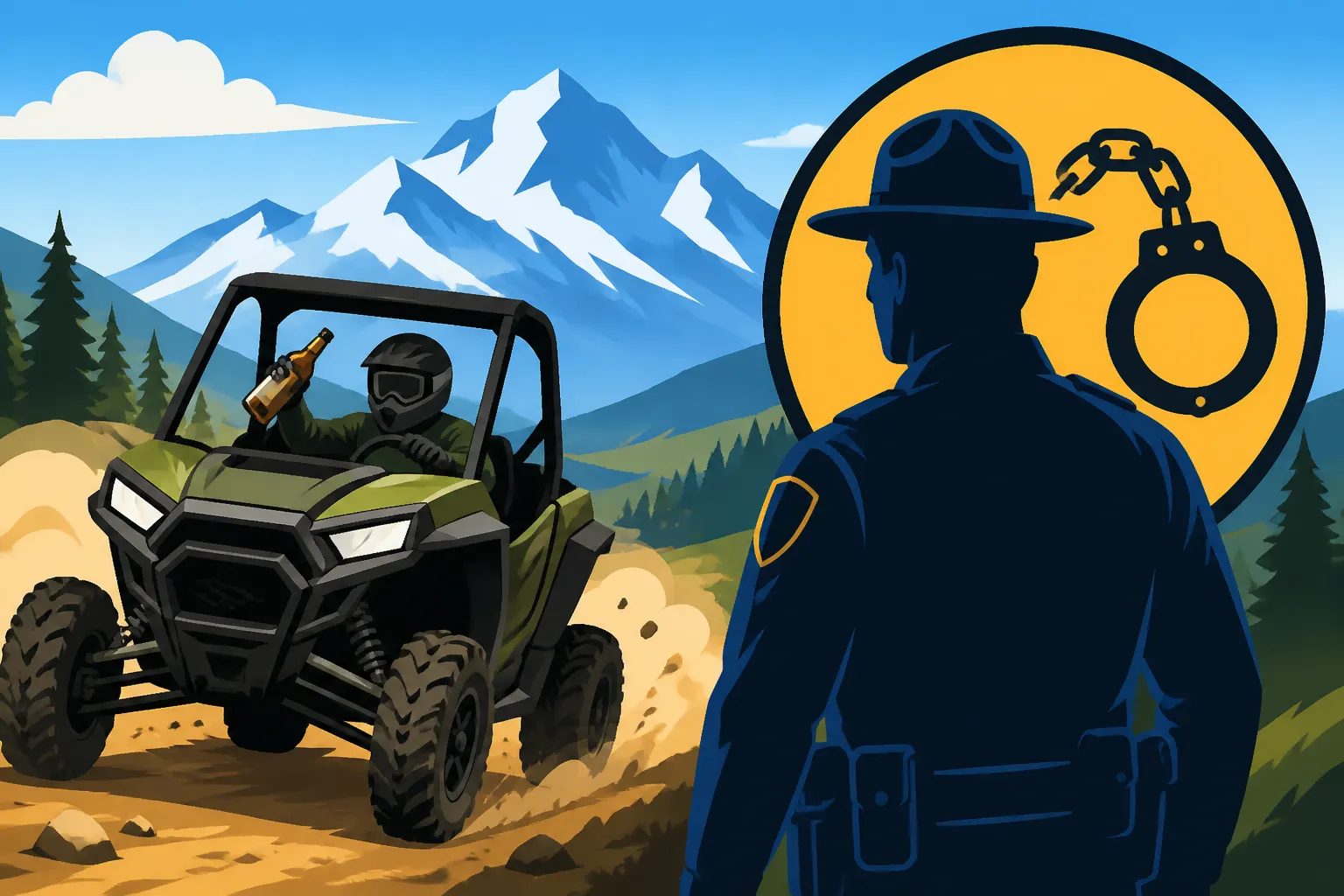
A DUI on an OHV in Montana
It's a common misconception, especially in a state like Montana where the wild backcountry feels limitless, that an off-highway vehicle (OHV) like your ATV or UTV is just a toy, something separate from the rules of the road. But I'm here to tell you, from someone who’s seen the consequences, that assumption can lead to a world of trouble. This guide is going to pull back the curtain on the severe legal realities of getting a DUI on an OHV in Montana, what it means for you, and how to absolutely avoid it.
The Harsh Reality: Yes, You Can Get a DUI on an OHV in Montana
Picture this: You’ve had a few beers around the campfire, the sun is setting over the mountains, and you decide to take your side-by-side for a quick spin down a gravel road to check on a buddy’s camp. Harmless, right? Wrong. In Montana, getting behind the handlebars or wheel of an OHV while impaired by alcohol or drugs carries the same serious legal weight as driving your pickup truck down Highway 93 after too many. The law doesn't differentiate between your street-legal sedan and your mud-splattered quad when it comes to impaired operation. Many folks don't realize the full extent of this, thinking that because they're not on a paved highway, the rules somehow bend. They don't. Law enforcement officers, from county sheriffs to state game wardens, are well aware that these machines can be dangerous in the wrong hands, especially when those hands are impaired.
What "Operating Under the Influence" Means for OHVs
When we talk about "Operating Under the Influence" (OUI) or Driving Under the Influence (DUI) in Montana, it's not just about what you're driving, but how you're driving it. For OHVs, the definition remains consistent with other motor vehicles. It means that if your ability to operate your ATV or UTV safely is compromised by alcohol, drugs, or a combination of both, you are in violation of the law. Montana has an established legal blood alcohol content (BAC) limit, and if you test at or above that limit, you are presumed to be impaired, regardless of how "fine" you might feel.
The moment you get on your machine, you're implicitly agreeing to Montana’s implied consent laws. This means that if an officer has reasonable grounds to believe you're impaired, you're expected to submit to tests, such as a breathalyzer or blood test, to determine your BAC. Refusal to comply often carries its own set of immediate penalties, which can be just as swift and severe as a positive test. It's a tough spot to be in, but the law is designed to deter impaired operation and protect everyone sharing our beautiful Montana landscapes, whether on designated trails or county roads.
Where the Law Applies: Roads, Trails, and Beyond
This is where the rubber meets the dirt, quite literally, and many riders get caught off guard. You might assume that a DUI on an OHV only applies if you're riding your side-by-side down a main street in West Yellowstone or Bigfork. While that's certainly true, the reach of Montana's DUI laws for OHVs is far more expansive. It applies to virtually any area where the public has access, which includes an enormous amount of our state's incredible riding territory.
Think about all those miles of [Montana Rules on Forest Service Roads] and [Montana Rules on BLM Roads] that crisscross our national forests and public lands. Those are absolutely fair game for law enforcement to enforce DUI laws. The same goes for local [Montana City Streets and Municipal Ordinances] that allow OHV access, or even the vast network of county roads that connect small towns to trailheads. Even on what you might consider private land, if that land is accessible to the public, such as an open ranch road that leads to public hunting grounds, you could still be charged. The key takeaway is this: if you're operating your machine in any place that isn't completely and exclusively private property, locked down from public access, you are subject to the same DUI laws as if you were driving a car. Don't let the freedom of the backcountry lull you into a false sense of security; the law follows you wherever you ride.
Immediate Consequences and Legal Process
Getting caught driving an OHV under the influence isn't just about a slap on the wrist. It’s a process that begins immediately and can spiral into a long-term legal battle with significant personal and financial repercussions. Knowing what to expect, from the moment you’re pulled over to the formal charges, can help you understand the gravity of the situation and, hopefully, motivate you to never be in this position. The initial encounter can be disorienting and stressful, but understanding the steps involved is crucial.
What Happens When You're Pulled Over
Imagine you're out riding, perhaps on a well-used gravel road near the Beartooth Mountains, when you see those flashing lights behind you. It could be a county sheriff’s deputy, a Montana Highway Patrol officer, or even a Fish, Wildlife & Parks warden. They have the authority to pull you over if they suspect impaired operation. The officer will likely ask for your identification, registration, and proof of insurance, just like they would if you were in a car. This is why it's always good practice to know [What a Montana Warden Asks a Rider For] when you're out on the trails.
If the officer suspects you've been drinking or using drugs, they'll likely administer a series of field sobriety tests. These tests are designed to assess your coordination, balance, and ability to follow instructions, all of which can be compromised by intoxicants. They might also use a portable breathalyzer. Should you fail these tests or if your BAC is above the legal limit, you will be placed under arrest. Your OHV will then be impounded, often leading to additional towing and storage fees. This immediate impoundment can leave you stranded, facing not only legal trouble but also the logistical nightmare of retrieving your machine. It’s a stark and immediate consequence that many riders don’t anticipate when they decide to drink and ride.
The Charges You'll Face
Once arrested, the legal process kicks into gear, and the charges you face for an OHV DUI in Montana are typically treated with the same seriousness as a DUI in a passenger vehicle. For a first offense, it's usually a misdemeanor, but don't let that label fool you; the penalties are still severe. These can include mandatory fines, jail time, and the suspension of your driver's license, even if your OHV is not a "street legal" vehicle.
If this isn't your first brush with impaired driving, the consequences escalate dramatically. Repeat offenses can quickly turn into felony charges, which carry much heavier sentences, including longer prison terms, steeper fines, and extended periods of license suspension. Beyond the primary DUI charge, you could also face additional charges depending on the circumstances of your arrest. For example, if your riding behavior was erratic or dangerous, you might be charged with [Montana Penalties for Reckless Riding]. If you caused damage to property or endangered others, those charges would be tacked on, adding further legal and financial burdens. It's not just about the alcohol or drugs; it's about the entire picture of your conduct while impaired.
Long-Term Repercussions of an OHV DUI
An OHV DUI in Montana is far more than a bad day or an expensive ticket. The legal system in Big Sky Country is designed to make impaired driving a serious deterrent, and the effects of a conviction can ripple through your life for years, impacting everything from your finances to your freedom and future opportunities. These aren't just temporary inconveniences; they're significant hurdles that can derail your plans and limit your options long after the initial court date. It's crucial to understand that these consequences are intentionally harsh to underscore the importance of responsible operation.
Fines, Jail Time, and License Suspension
Let's talk about the immediate financial hit and the loss of personal freedom. An OHV DUI conviction in Montana will inevitably come with substantial fines. These aren't minor parking tickets; we're talking about figures that can quickly empty your savings. Beyond the initial fines, there are court costs, legal fees, and mandatory alcohol education programs, all of which add up considerably. For a clearer picture of various violations, you can look into [Montana OHV Ticket Costs by Violation], though a DUI will be among the most expensive.
Then there's the possibility, and often the reality, of jail time. Even for a first offense, Montana law typically includes mandatory minimum jail sentences, meaning you will spend time behind bars. For repeat offenders, these sentences become significantly longer, impacting your job, family, and overall life stability. Crucially, a DUI conviction on an OHV will almost certainly lead to the suspension of your regular driver's license. That's right – even if you were on a trail and nowhere near a paved road, your ability to drive your car, truck, or motorcycle will be revoked for a significant period. This can create massive logistical challenges for work, errands, and simply getting around Montana's wide-open spaces.
Increased Insurance Rates and Future Obstacles
The financial fallout doesn't end with fines and fees; it extends into your everyday life, particularly concerning insurance. A DUI conviction, regardless of whether it was in a car or on an OHV, will be a huge red flag on your driving record. This almost guarantees a dramatic increase in your auto insurance premiums, and yes, your [Montana ATV Insurance Cost] will likely skyrocket too, if your provider doesn't drop you altogether. You might even find it challenging to secure insurance at all, having to resort to high-risk policies that are far more expensive.
Beyond the immediate financial burden, a DUI can create significant obstacles in your professional and personal life. Many employers conduct background checks, and a DUI conviction can make it difficult to get a new job, especially if it involves driving, operating machinery, or requires a professional license. Traveling, particularly internationally, can also become complicated, as countries like Canada often deny entry to individuals with DUI convictions. Furthermore, you might face [Losing Montana Riding Privileges After a Ticket], impacting your ability to enjoy the very outdoor activities that draw so many to our state. The ghost of an OHV DUI can linger for years, affecting your reputation and opportunities long after the court case is closed.
Potential for Machine Forfeiture or Impoundment Costs
When you're arrested for an OHV DUI, your machine isn't just left on the side of the trail. Law enforcement will impound it, and you'll be responsible for all the associated towing and storage fees. These costs can add up quickly, especially if your machine is held for an extended period during the legal process. Imagine your beautiful side-by-side or ATV sitting in an impound lot for weeks or even months, racking up daily storage charges. Retrieving it becomes an additional financial burden you simply didn't plan for.
In more severe cases, particularly for repeat offenders or if the OHV was used in the commission of other serious crimes while impaired, there's a possibility of machine forfeiture. This means the state could legally seize your ATV or UTV, and you would lose ownership of it entirely. This is a devastating outcome for anyone who has invested significant time and money into their machine, a powerful reminder of just how seriously Montana takes impaired driving. It highlights that the consequences extend beyond personal freedom and finances, potentially impacting the very recreation you enjoy.
Staying Safe and Legal: Avoiding an OHV DUI
The best way to deal with an OHV DUI is to never get one in the first place. It sounds simple, but in the relaxed atmosphere of a Montana outdoor adventure, it's all too easy for good judgment to slip away. Prevention is absolutely key, and it requires conscious decisions and planning, especially when alcohol or other substances are involved. Taking proactive steps not only protects you from severe legal consequences but also keeps everyone on the trails and roads safer. Our wild spaces are for enjoying responsibly, not for taking unnecessary risks.
Planning Ahead: Designated Drivers or No Drinking
This is the golden rule, and it applies just as much to your OHV as it does to your car: if you drink, don't ride. Period. There's no magical "just a little bit" when it comes to operating a machine that can weigh hundreds of pounds and reach high speeds. The safest bet is to make a firm decision before you even head out for the day. If you know alcohol will be part of your camping or trail experience, designate a completely sober driver for your OHV beforehand. This isn't just about avoiding a ticket; it's about preventing serious accidents that can injure you, your passengers, or other riders.
Alternatively, if you're planning to drink, commit to staying put. Park your machine, take the keys out, and enjoy your time without the risk of impairment. Many groups will even have a "key master" who holds onto all OHV keys once drinking starts. It takes a bit of foresight and discipline, but it's a small price to pay to avoid potentially life-altering consequences. Remember, the wide-open trails of Montana are a privilege, and enjoying them means respecting the rules and the safety of all.
Understanding Montana's Open Container Laws
Beyond operating under the influence, it's also important to be aware of Montana's open container laws, which often extend to OHVs, especially when you're on public roads or lands. Just having an open alcoholic beverage in reach or in plain sight while operating your machine can lead to a citation, even if you are not actually impaired. While not a DUI, it's another charge that can spoil your day and add to your legal woes. [Montana Alcohol Limits for OHV Operators] clearly define what's legal and what's not, and those limits often include prohibitions against open containers.
The logic here is similar to that for passenger vehicles: an open container makes it easier for an operator to consume alcohol while driving, increasing the risk of impairment. So, even if you're not planning to drink while riding, make sure any alcoholic beverages are stored properly, unopened, and out of the immediate access of the operator and passengers until you're safely parked at camp or your destination. This simple precaution can save you from an unnecessary fine and unwanted attention from law enforcement.
Educating Yourself and Your Riding Group
One of the most powerful tools for preventing OHV DUIs is knowledge and open communication. Take the time to educate yourself and everyone in your riding group about Montana's OHV laws, particularly those related to alcohol and drug impairment. Share articles like this one, or discuss scenarios at the trailhead before you start your ride. Many people simply don't realize the severity of the penalties or how broadly the laws apply across different types of terrain.
Encourage a culture of responsibility within your group. If someone is reaching for a drink and their keys, speak up. Peer pressure can work both ways, and positive peer influence can be incredibly effective in preventing someone from making a bad decision. Beyond alcohol, consider other forms of impairment, including fatigue or certain prescription medications. Safety should always be paramount when exploring Montana's beautiful and sometimes challenging landscapes. By fostering an informed and responsible riding community, we can all contribute to a safer and more enjoyable experience for everyone.
| Offense Type | Penalties (Typical Range) | Impact on Driver's License | Other Major Consequences |
|---|---|---|---|
| First OHV DUI | – Fines: Significant (e.g., hundreds to over a thousand) – Jail: Mandatory minimum (e.g., 24 hours to 6 months) – Alcohol Education/Treatment |
– Suspension: Up to 6 months – Reinstatement Fees |
– Increased Insurance Rates – OHV Impoundment Fees – Legal Fees – Background Check Impact |
| Second OHV DUI | – Fines: Much higher (e.g., thousands) – Jail: Longer mandatory minimum (e.g., 7 days to 1 year) – Alcohol Treatment Program |
– Suspension: Up to 1 year – Ignition Interlock (if applicable) |
– Felony Charges Possible (depending on timeframe) – Machine Forfeiture Risk – More Severe Employment Issues |
| Third+ OHV DUI | – Fines: Very substantial (e.g., multiple thousands) – Jail: Extended mandatory minimum (e.g., 30 days to years) – Extensive Alcohol Treatment |
– Suspension: Extended (e.g., 1 year or more) – Ignition Interlock |
– Felony Conviction Likely – High Risk of Machine Forfeiture – Major Impact on Life, Employment, Travel |
Disclaimer
This article is for general informational purposes only and does not constitute professional advice. Laws, prices and regulations vary by location and change over time. Consult a qualified professional for guidance on your specific situation.