Montana OHV Ticket Costs by Violation
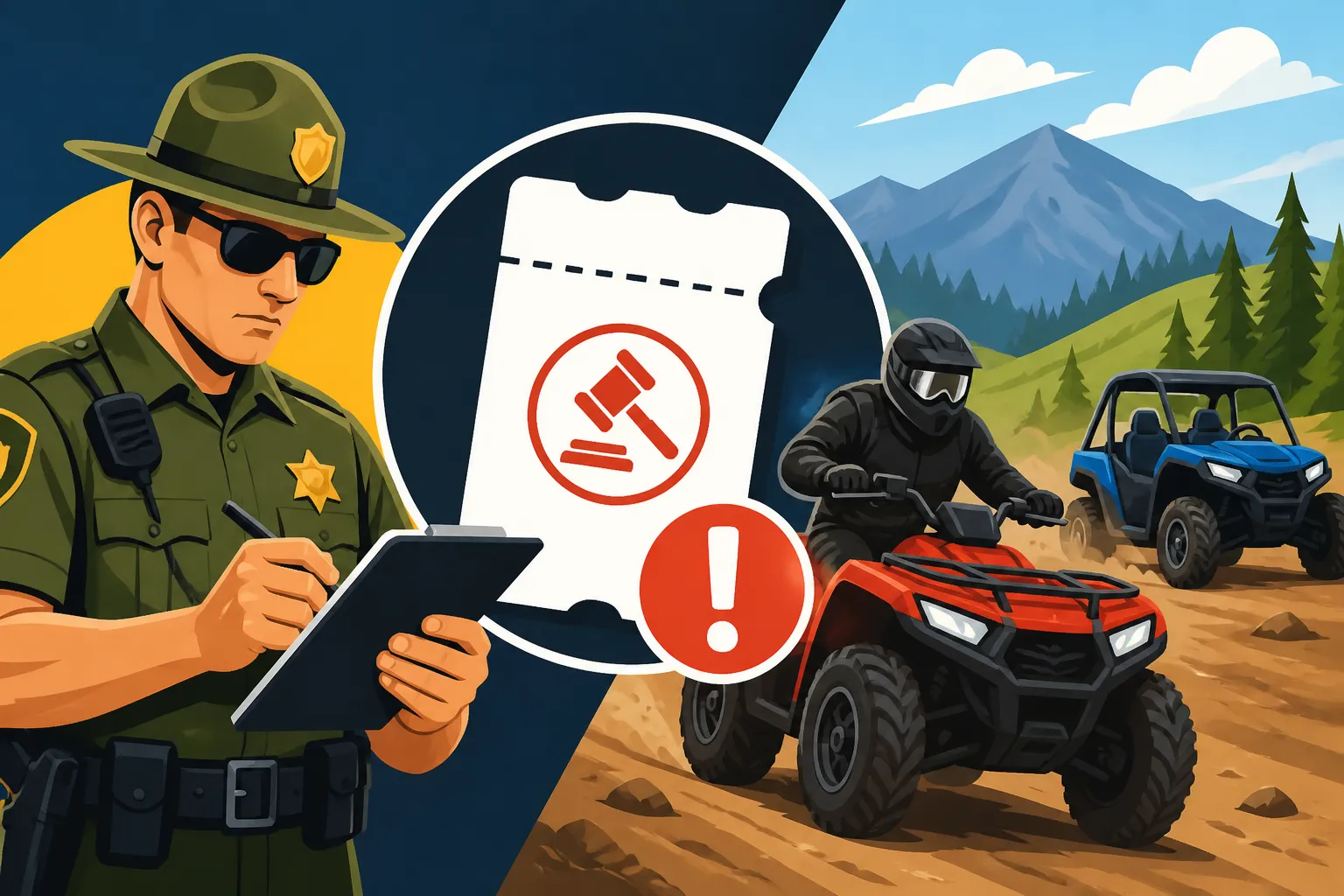
Oh, the sinking feeling when you see those flashing lights in your rearview mirror, especially when you're just out enjoying a beautiful day on your ATV or UTV in Montana. Getting an OHV ticket can turn a perfect ride into a headache, leaving you wondering not only what you did wrong, but what it's actually going to cost you. This guide is here to unravel the mystery of Montana OHV ticket costs by violation, helping you understand the potential financial hit and, more importantly, how to avoid it.
Understanding Montana's OHV Enforcement Landscape
Montana is an incredible state for off-highway vehicle enthusiasts, with endless miles of trails, forest roads, and wide-open spaces. But with that freedom comes responsibility, and state and local agencies are tasked with ensuring everyone plays by the rules to keep our lands accessible and safe. When rules are broken, whether intentionally or not, a ticket can follow. It's not just about collecting fines; it's about maintaining order, protecting our natural resources, and preventing accidents that can be devastating.
Who Issues Tickets and Why
In Montana, you might encounter various law enforcement officials while out on your machine. This could include county sheriffs, Montana Fish, Wildlife & Parks (FWP) wardens, or even Highway Patrol troopers, especially if you're riding on or near public roads. Their job is to enforce the state's OHV laws, which cover everything from registration and decal requirements to where you can ride and how you should operate your machine. They're looking out for things like proper equipment, adherence to age restrictions, and ensuring riders aren't damaging sensitive environments. The goal isn't to ruin your day, but to make sure everyone is riding responsibly so these areas remain open for future generations of riders.
The Immediate Impact of a Citation
Receiving an OHV citation isn't just about the monetary fine, although that's usually the most immediate concern. There's also the time spent dealing with the situation on the side of a trail, the potential for a mandatory court appearance, and the hassle of correcting the violation. Sometimes, a ticket can even lead to the suspension of riding privileges or, in more severe cases, impounding your machine. It can certainly cast a shadow over what was supposed to be a fun adventure. Many riders express frustration with the complexity of the rules, especially for out-of-state visitors, but knowing the potential consequences beforehand can help you ride smarter.
Common Montana OHV Violations and Their Costs
Let's dive into some of the most common reasons riders get ticketed in Montana and what kind of financial impact you might be looking at. Remember, while I won't list exact dollar figures (these can change and vary by jurisdiction), I can describe the magnitude of the costs you'd face.
Unregistered or Improperly Registered Machines
This is one of the most frequent tickets issued. Every OHV operated on public lands or designated trails in Montana must be properly registered. For residents, this typically means a one-time permanent registration through the county treasurer. If you're caught without this, or with expired temporary tags (which are rare for OHVs but can happen), you're looking at a fine that's usually in the lower to middle range of violations. It's a clear-cut rule, and enforcement is generally straightforward. Don't forget that even if you're an out-of-state visitor, you'll need a [Montana's Non-Resident Temporary Use Permit] to legally ride on our public lands and trails. Ignoring this critical step can quickly put a damper on your vacation.
Missing or Improper Decal Placement
Once your machine is registered, you'll receive decals that prove it. These aren't just for show; they need to be displayed correctly. In Montana, the decal typically goes on the rear of the machine, usually on the left side. If your decals are missing, obscured, or placed incorrectly, say on the front fender instead of the rear, you could face a citation. The cost for this is generally on the lower end compared to, say, an OUI, but it's an easy one to avoid. Just ensure your decals are visible and in the right spot, as detailed in our guide [Where a Montana OHV Decal Goes]. You'd be surprised how often riders get dinged for something so simple.
Illegal Road Riding and Public Land Access
Montana has specific rules about where you can and cannot ride your OHV. While some county roads and even city streets in certain towns might allow OHV access, riding on state highways, interstates, or private land without permission is a big no-no. Trespassing can carry significant fines, sometimes reaching hundreds of dollars, and repeated offenses can lead to much harsher penalties. Riding off-trail in areas not designated for OHVs, or entering a closed area, also falls under this category. These tickets can range from moderate to substantial, depending on the damage caused or the sensitivity of the area. It's crucial to know [Montana Trespass Law for Riders] before you venture out, and always check a Motor Vehicle Use Map (MVUM) for public land. Aftermarket accessories from companies like SuperATV can enhance your machine's capabilities, but always double-check local regulations before taking any modified machine on public roads or trails.
Safety Gear and Age Violations
Montana takes the safety of its riders seriously, especially when it comes to minors. If you're under 18, the law requires you to wear a helmet when operating an OHV. There are also specific rules about the size of machines young riders can operate and whether adult supervision is required. Being caught without the appropriate safety gear or allowing an underage, unsupervised rider on a machine too large for them can result in fines. These tickets often fall into the moderate range, but the potential for serious injury if rules aren't followed is, of course, far greater than any fine. Make sure to review [Montana Helmet Rules for Riders Under 18] and [Montana Age Rules for Riders Under 16] to keep your family safe and legal.
Operating Under the Influence (OUI)
This is by far one of the most serious OHV violations you can commit in Montana. Just like operating a car, riding an OHV under the influence of alcohol or drugs is illegal and extremely dangerous. An OUI conviction will result in substantial fines, potentially thousands of dollars, as well as the loss of your driver's license, mandatory alcohol education classes, and even jail time. The costs associated with legal fees, increased insurance premiums, and the long-term impact on your record are immense. It's simply not worth the risk. [Montana Alcohol Limits for OHV Operators] are the same as for operating any other motor vehicle.
Equipment and Environmental Violations
Your OHV needs to meet certain equipment standards, especially if you're riding on public lands. This includes things like having a working spark arrester (to prevent wildfires), adequate brakes, and a muffler that keeps noise levels within acceptable limits. Aftermarket exhaust systems, while they might sound cool, could land you a ticket if they violate noise ordinances. These tickets are typically in the lower to middle range. More severe, however, are environmental violations. Leaving trash on the trail, damaging vegetation, or riding in protected waterways can result in significant fines and even legal action under [Montana Resource Damage Citations]. We all love Montana's beauty; let's keep it pristine.
Reckless or Dangerous Operation
Riding your OHV irresponsibly, such as excessive speeding on a county road, performing stunts near other riders or observers, or operating in a manner that endangers others, can also lead to a ticket. These violations are often at the discretion of the enforcing officer and can carry fines ranging from moderate to high, especially if they involve property damage or put others at risk. [Montana Penalties for Reckless Riding] can be quite steep, and repeated offenses could even lead to losing your riding privileges for a period.
Factors Influencing Your Ticket Cost
While there are general ranges for fines, several factors can influence the exact amount you'll pay and the overall consequences you'll face. It's rarely a one-size-fits-all situation.
First Offense vs. Repeat Offender
Montana's legal system, like most, often has escalating penalties for repeat offenders. A first-time violation for a minor infraction might result in a lower fine and a warning, but getting caught for the same thing a second or third time will almost certainly lead to a much higher fine, possibly mandatory court appearances, and a more severe impact on your record. The goal is to encourage compliance, so repeat offenses indicate a disregard for the rules, which courts don't look kindly upon.
Severity of the Violation and Damage Caused
The nature of your violation plays a huge role. A missing decal is generally less severe than, say, riding a wide side-by-side on single-track dirt bike trail and tearing it up. If your actions caused actual damage to public or private property, or posed a direct threat to safety or the environment, you can expect the fines to be on the higher end of the spectrum. An officer has some discretion in how they write a ticket, and egregious behavior will almost always lead to the maximum allowable penalties. Even seemingly minor equipment issues, like not having a proper spark arrester, can become a much larger problem if they spark a wildfire. Companies like SuperATV offer a wide range of accessories, but riders should always prioritize compliance with Montana's specific regulations when modifying their machines.
Court Costs and Surcharges
Beyond the base fine for the violation itself, you'll almost always be responsible for additional court costs, administrative fees, and state surcharges. These can add a significant percentage to the total amount due, sometimes an additional 20-50% or more on top of the base fine. These extra fees often go to fund victim services, court operations, or state programs, and they're pretty much non-negotiable once you're cited. It's a hidden cost many people forget about when they're calculating the potential impact of a ticket.
What to Do If You Get an OHV Ticket in Montana
So, you've received an OHV ticket. It's not the end of the world, but it does require your attention. Ignoring it will only make things worse, potentially leading to warrants, license suspension, or much higher penalties.
Review the Citation Carefully
The first step is to calmly read your ticket. It will outline the specific violation you're being charged with, the date and time of the incident, the location, and the name of the issuing officer. Crucially, it will also state your options: usually, you can either pay the fine by a certain date or appear in court to contest the ticket. Make sure you understand exactly what you're accused of and what the next steps are. Sometimes, the violation code will point to a specific section of Montana statute that you can look up for clarity.
Options for Responding: Pay or Contest?
You generally have two main choices. If you believe the ticket is valid and the facts are correct, paying the fine is often the simplest and quickest route. Just be aware of the due date. If you pay, you're essentially admitting guilt, and the violation will go on your record.
However, if you believe you were wrongly accused, the officer made a mistake, or there are mitigating circumstances, you have the right to contest the ticket in court. This means you'll appear before a judge and present your side of the story. While this option can save you money if you win, it does involve taking time off work, preparing your case, and potentially hiring legal counsel. Consider what's at stake and your chances of success. Our article, [Fighting an OHV Ticket in Montana], goes into more detail about this process.
Seeking Legal Advice
For more serious violations, like an OUI, reckless endangerment, or if your ticket involves significant property damage or injury, it's highly advisable to consult with an attorney who specializes in traffic or criminal law. They can advise you on your rights, help you navigate the court system, and potentially negotiate a plea bargain or argue for a dismissal. Even for less severe tickets, if you're unsure about contesting it, a brief consultation with a lawyer can provide valuable insight. The cost of legal representation can be significant, but it might be a worthwhile investment if the penalties for your violation are particularly severe or could impact your ability to drive or ride in the future.
Appealing a Citation
If you do go to court and are found guilty, you may still have options to appeal the decision to a higher court. This is a more complex legal process, often requiring strict adherence to deadlines and procedures. An appeal typically focuses on errors in legal procedure or interpretation rather than simply re-arguing the facts of the case. Again, this is an area where legal counsel is virtually essential.
Here's a simplified look at common OHV violations in Montana and the general range of financial impact:
| Violation Type | Example | General Financial Impact | Potential Additional Consequences |
|---|---|---|---|
| Unregistered Machine | No resident registration or non-resident permit | Low to Moderate | Court costs, possible impound |
| Missing/Improper Decal | Decal not affixed to the rear, obscured | Low | Court costs |
| Illegal Road/Trail Riding | Riding on highways, closed trails, private land | Moderate to High | Court costs, trespass charges, resource damage fines, machine impound |
| Safety Gear/Age Rules | Minor without helmet, underage operator | Low to Moderate | Court costs, parental liability |
| Operating Under Influence (OUI) | Riding while intoxicated | Very High | License suspension, jail, mandatory classes, severe court costs |
| Equipment Violations | No spark arrester, excessive noise | Low to Moderate | Court costs, ordered repairs |
| Environmental Damage | Littering, riding off-trail, damaging resources | Moderate to Very High | Court costs, cleanup costs, loss of riding privileges |
| Reckless Operation | Speeding, dangerous stunts | Moderate to High | Court costs, license points, loss of riding privileges |
Please remember, these are general descriptions. The actual fines and penalties can vary significantly based on the specific circumstances, the jurisdiction, and any prior offenses. Always check the current Montana state statutes and local ordinances for precise details.
Disclaimer
This article is for general informational purposes only and does not constitute professional advice. Laws, prices and regulations vary by location and change over time. Consult a qualified professional for guidance on your specific situation.