After a Crash on a Montana Back Road
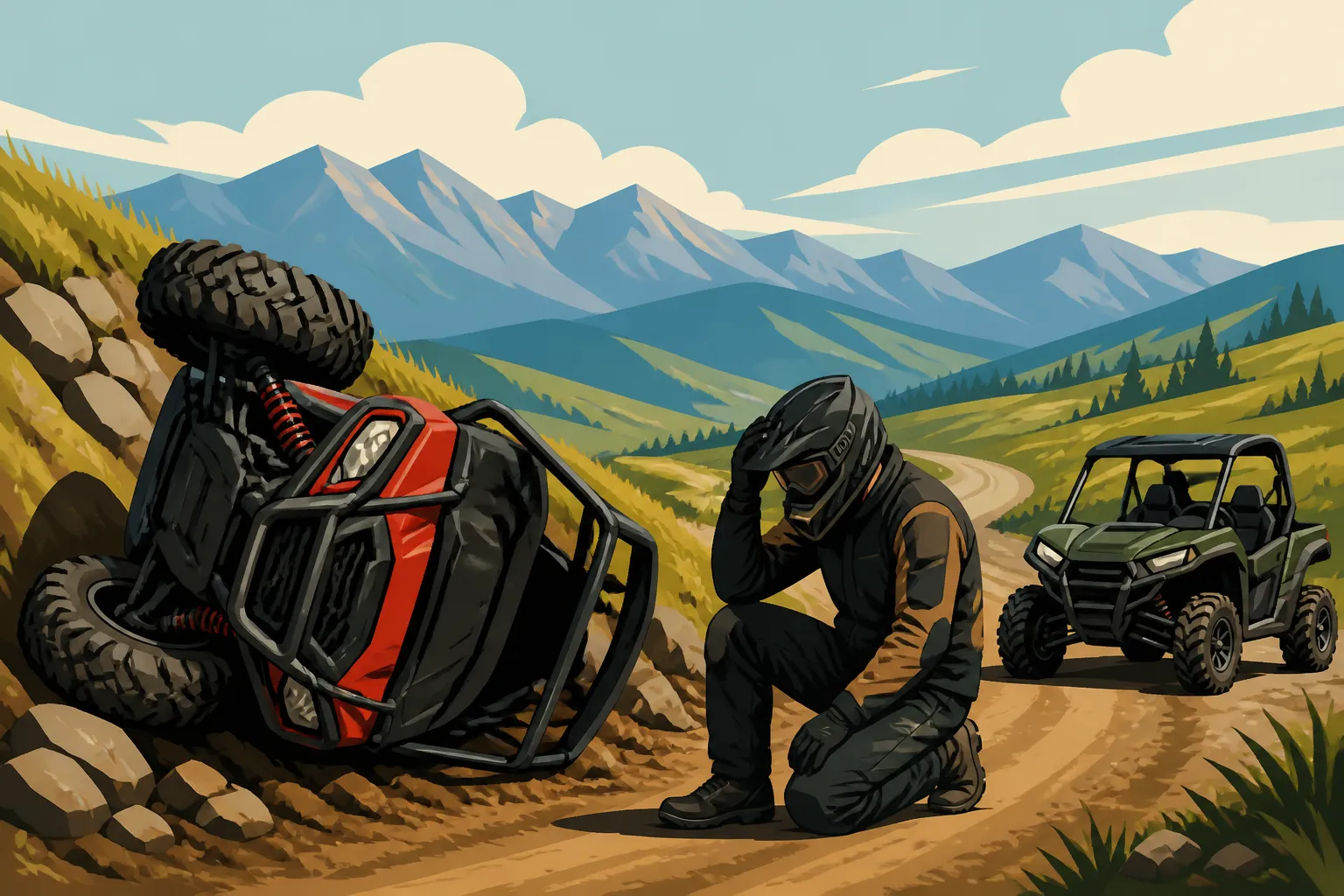
Finding yourself and your machine on the ground after a crash on a remote Montana back road is an experience that can instantly flip a day of adventure into a heart-stopping nightmare. The dust settles, the engine might be sputtering, and a million questions race through your mind: Is everyone okay? What do I do next? This guide is here to walk you through the crucial steps immediately following an off-highway vehicle (OHV) incident, helping you navigate the aftermath safely, effectively, and with peace of mind.
The Immediate Aftermath: Prioritizing Safety and Assessment
When a crash happens, especially in the vast, often isolated landscapes of Montana, your first priority always has to be the safety of yourself and anyone with you. The adrenaline surge can be overwhelming, making clear thinking difficult, but taking a moment to breathe and assess the situation is paramount.
Securing the Scene and Checking for Injuries
First, take a deep breath. Seriously. The shock can be paralyzing, but you need to engage your mind. Your immediate actions could prevent further injury or make a critical difference in recovery. Check yourself for any pain, cuts, or anything that feels "off." Don't try to move if you suspect a head, neck, or back injury. If you can safely move, get clear of the machine and any immediate hazards like fuel leaks or unstable terrain. Next, check on any passengers or other riders involved. Ask if they're hurt, look for visible injuries, and keep them calm. If someone is unconscious or seriously injured, avoid moving them unless they are in immediate danger, such as from fire or a precarious position on a steep slope.
After ensuring personal safety, try to secure the scene. If your machine is blocking a narrow two-track or a county road, and it's safe to do so, move it to the side. If it's too damaged or you're unable to move it, use whatever you have—brightly colored clothing, a safety triangle if you carry one, or even waving your arms—to warn any approaching vehicles. On remote back roads, traffic might be sparse, but you never know when another hunter, rancher, or fellow rider might come around a bend.
Contacting Emergency Services Even if It Feels Minor
Even if you think the crash is minor, don't hesitate to call 911, especially if there are any injuries beyond a scrape, or if your machine is severely damaged and you're stranded. On Montana's vast back roads, emergency services might be a long way off, and providing accurate location information is absolutely critical. Use your GPS if you have one, noting the exact coordinates. Look for road names, mile markers, trail numbers, or any recognizable landmarks. Telling dispatch you're "somewhere in the Lolo National Forest" isn't nearly as helpful as "We're on Forest Road 123, about 5 miles east of the Cottonwood Creek trailhead, near latitude 46.8N, longitude 113.8W." The more specific you can be, the faster help can reach you.
It's a scary thought, but what if you're in a cell dead zone, which is common in many parts of Montana's backcountry? This is where preparation truly pays off. If you've been riding alone in the Montana backcountry, you know how quickly things can go wrong. If you have a satellite messenger or a two-way radio, now is the time to use it. Many riders carry devices like a Garmin inReach or a SPOT device for just this reason. If you're with a group and one rider is uninjured and their machine is functional, sending them for help might be your only option. Ensure they know your precise location and the nature of the emergency before they leave. Remember, it's not just about getting help for injuries; a severely damaged machine can leave you exposed to the elements or wildlife for hours, or even overnight. It’s worth reading up on [Cell Dead Zones in Western Montana] and [Carrying a Satellite Messenger in Montana] before your next adventure.
Documenting the Incident for Your Records and Future Needs
Once immediate safety is addressed and help is on its way (or you've found a way to send for it), the next crucial step is to meticulously document everything. This information will be invaluable for insurance claims, potential legal matters, and even just for your own memory later.
Gathering Information from Everyone Involved
If another party was involved in the crash, or even if it was a single-machine incident with witnesses, you need to collect as much information as possible. For other parties, this includes their full name, contact information (phone, email, address), driver's license number, and their insurance company and policy number. Also, get their vehicle information: make, model, year, VIN (Vehicle Identification Number), and license plate number if it applies (some OHVs are plated for road use in specific areas, or if they were trailering). If there are any witnesses, politely ask for their name and contact information. They might have seen something crucial, even if it seemed minor to them at the time.
For your own machine, note down your own information as well. It might seem obvious now, but under stress, details can blur. Having a clear record of everything will be a lifesaver when you're filing an insurance claim or speaking with law enforcement. This data can also be vital in determining [Who Pays After a Montana OHV Collision] if there's any dispute.
Photographing the Scene and Damage
Your smartphone is an incredibly powerful tool in the aftermath of a crash. Take as many photos and videos as you possibly can, from multiple angles. Start with wide shots that show the overall scene, including the surrounding terrain, the position of the machines, and any relevant landmarks. Then, move to close-ups of all damage to your machine and any other vehicles involved. Don't forget to photograph tire marks, debris on the ground, road conditions (gravel, mud, ruts), or anything that might have contributed to the crash.
Also, photograph any injuries you or your passengers sustained. Even a small cut or bruise should be documented, as injuries can sometimes worsen over time. If your machine had aftermarket parts, like those from SuperATV, make sure to photograph their condition post-impact; this might be important for understanding the impact forces or for any warranty claims on components that failed unexpectedly. The more visual evidence you have, the stronger your case will be with your insurance company or in any official report. Make sure your phone's date and time stamp feature is enabled, as this adds credibility to your photos.
Notifying Your Insurance Company
As soon as it's practical, notify your insurance company about the crash. Don't wait. Many policies have clauses requiring prompt notification, and delaying could complicate your claim. Be prepared to provide them with all the details you've gathered: date, time, location, description of the incident, injuries, and details of any other parties involved. They'll guide you through the claims process. It’s a good idea to refresh your memory on [Montana Liability Insurance for Riders] before you head out, so you know exactly what your policy covers.
It's important to understand your specific policy's coverage for off-road incidents. Some standard auto policies might not cover OHVs at all, or only for very specific scenarios. You might have separate OHV insurance. Understand the difference between liability coverage (which covers damage or injury you cause to others) and comprehensive or collision coverage (which covers damage to your own machine). If you're dealing with [Montana OHV Injury Claims After a Crash], your medical payments coverage or personal injury protection, if you have it, will also come into play. Be honest and factual with your insurer; they're there to help you navigate the process, even if it feels daunting.
Next Steps: Recovery, Repairs, and Reporting
Once the initial shock subsides and you’ve documented the scene, the practicalities of dealing with a damaged machine and official paperwork begin. This phase can be just as stressful, especially when you're dealing with a remote location.
Arranging for Machine Recovery and Transport
Getting a disabled OHV out of the backcountry can be a significant hurdle. If your machine is inoperable, you'll need a towing service, and not all tow trucks are equipped for off-road recovery. In many parts of Montana, you might need to call a specialized recovery service or a local shop that deals with OHVs and has the proper equipment, like a flatbed or a trailer with a winch. Be prepared for potentially higher costs due to the remote location. Your insurance policy might cover some or all of these recovery costs, so make sure to ask your adjuster.
Sometimes, if the damage is minor and you have tools, you might be able to make a trailside repair. But if your axle is bent or your frame is tweaked, you're not going anywhere under your own power. Consider the type of terrain you often ride. If you're tackling challenging trails, investing in robust aftermarket parts from a reputable brand like SuperATV can sometimes mean the difference between limping home and being completely stranded. These parts are often designed for greater durability than stock components.
Understanding Montana's Accident Reporting Requirements
Montana has specific rules about when an official accident report is required for OHVs. Generally, if there's an injury requiring medical attention beyond basic first aid, a fatality, or property damage exceeding a certain dollar amount (which often means any significant damage to an OHV), you or the investigating officer must file a report with the Montana Highway Patrol or local law enforcement. Even if your incident doesn't strictly meet these thresholds, it's often a good idea to request an officer to make a report, especially if there were other parties involved or significant damage.
An official report provides an unbiased account of the facts and can be crucial evidence for your insurance claim. Law enforcement will document the scene, gather statements, and assign fault if applicable. Familiarize yourself with [Montana OHV Accident Reporting Rules] to understand your obligations. If law enforcement isn't immediately available due to your remote location, you might need to go to the nearest sheriff's office or highway patrol station to file a report once you're safely out of the backcountry.
Dealing with Repairs and Potential Claims
Once your machine is recovered, the next step is assessing the damage and arranging for repairs. Get estimates from reputable OHV repair shops. Your insurance adjuster will want to review these estimates and might send their own appraiser. If the cost of repairs exceeds a certain percentage of your machine's value, the insurance company might deem it "totaled," meaning they'll pay you the actual cash value of the machine rather than fixing it. This is a tough pill to swallow, especially if you have a lot of sentimental attachment or custom parts.
If your machine is repairable, work closely with your insurance company and the repair shop. Be proactive in communicating and asking questions. If you had high-performance or heavy-duty parts, for example, from SuperATV, discuss with your repair shop and insurance company if these can be replaced with similar quality components. This can be a chance to upgrade older parts or ensure your machine is as capable as it was pre-crash. Remember, the goal is to get your machine back in safe, working order, ready for your next Montana adventure.
Avoiding Future Incidents: Lessons Learned
Every incident, no matter how minor, offers a valuable opportunity to learn and improve. While some accidents are unavoidable, many can be prevented by enhancing safety practices and being better prepared for the challenges of Montana's diverse terrain.
Enhancing Rider Safety and Awareness
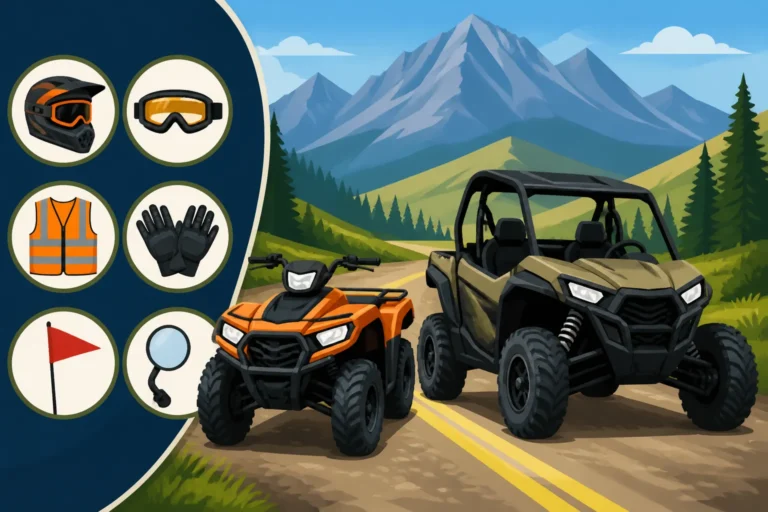
Your gear is your first line of defense. Always wear a DOT-approved helmet, sturdy boots, gloves, and eye protection. Even a low-speed tip-over can result in serious injury if you're unprotected. Ride within your skill limits and adapt to the conditions. Montana trails can change dramatically with weather, from dusty in summer to muddy and slick after a rain. A dusty trail might call for a dust mask and goggles, while a rocky pass might demand lower speeds and careful line choices.
Before every ride, do a quick pre-ride check of your machine. Are the tires properly inflated? Are the brakes working? Is there enough fuel? Knowing your machine and its capabilities is paramount. Consider taking an OHV safety course. [Montana's Safety Education Requirement] has specific rules for young riders, but an adult course can sharpen your skills and teach you crucial techniques for navigating challenging terrain safely. These courses cover everything from proper turning and braking to emergency maneuvers, making you a more confident and safer rider.
Preparing for Remote Riding
Montana's beauty often lies in its remoteness, but that remoteness also poses significant risks. Always carry essential recovery gear like a small shovel, tow strap, and basic tools for trailside repairs. A well-stocked first-aid kit is non-negotiable, and knowing how to use it is even more important. If you frequently ride alone or deep in the backcountry, a satellite messenger or personal locator beacon is a wise investment; it could literally save your life. Before you head out, always tell someone your planned route and estimated return time. This way, if you don't check in, someone knows where to start looking.
Thinking about the robustness of your machine is also key. If you know you'll be pushing your OHV on tough trails, investing in durable aftermarket components can significantly reduce the risk of mechanical failure. Brands like SuperATV offer a range of products designed to enhance the strength and performance of your machine, from heavy-duty A-arms to reinforced bumpers. While no machine is indestructible, making informed choices about your equipment can provide a greater margin of safety and peace of mind when you're miles from the nearest paved road.
| Action Item | Minor Incident (No Major Injury/Damage) | Major Incident (Serious Injury/Damage) |
|---|---|---|
| Assess Immediate Safety | Check self/passengers for minor scrapes, move machine if safe. | Check self/passengers for serious injury, do not move if suspected head/neck trauma, secure scene. |
| Call Emergency Services (911) | Optional, but recommended if stranded or unsure. | Mandatory – provide exact location (GPS coordinates, landmarks). |
| Contact Other Parties | Exchange basic info if applicable. | Exchange full names, contact, insurance, vehicle info. |
| Document Scene | Take photos of any damage, machine position. | Extensive photos/video of all damage, injuries, scene, contributing factors. |
| Notify Insurance | As soon as possible, describe incident. | Immediately, provide all details collected. |
| File Official Report | Not strictly required, but consider for documentation. | Mandatory if injury, fatality, or significant property damage. |
| Machine Recovery | Might be able to ride out or get local assistance. | Will likely require specialized towing/recovery service. |
| Repairs | Often straightforward, potentially out of pocket. | Insurance claim process, multiple estimates, potential "total loss" scenario. |
Disclaimer
This article is for general informational purposes only and does not constitute professional advice. Laws, prices and regulations vary by location and change over time. Consult a qualified professional for guidance on your specific situation.