Group Etiquette Riding Through a Montana Town
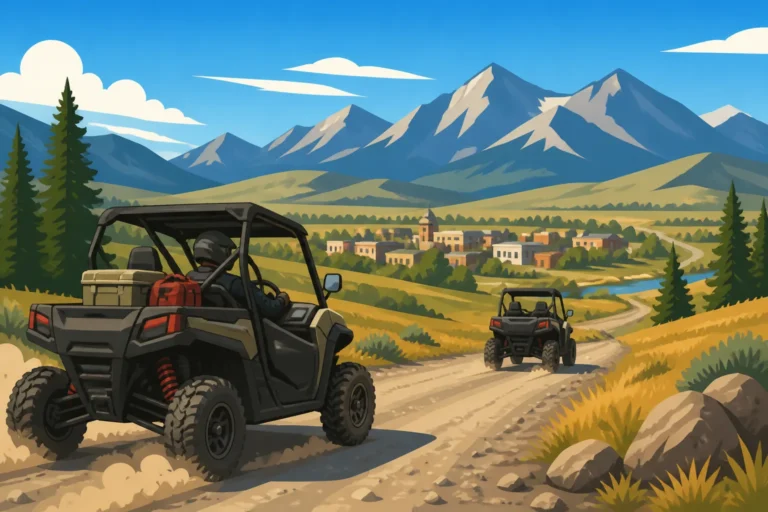
Riding your ATV or UTV with a group through a picturesque Montana town can be an incredible part of your adventure, offering a chance to grab lunch, refuel, or just connect trail systems. However, nothing sours the experience faster for locals than a group of riders who seem oblivious to their surroundings, creating noise, dust, and potential hazards. This guide will walk you through the essential group etiquette for navigating Montana towns respectfully, ensuring your fun doesn't come at the expense of the communities you pass through, and helping keep those crucial road access points open for everyone.
Why Town Etiquette Matters for OHV Riders
When you're out on the trails, it's easy to feel like you're in your own world, but that perception shifts dramatically the moment your tires hit pavement in a town. Every interaction, every sound, and every cloud of dust you generate contributes to the local perception of OHV riders as a whole. Being mindful isn't just about being polite; it's about safeguarding access, promoting safety, and ensuring that Montana's trail towns continue to welcome riders with open arms.
The Impact on Local Perceptions
Imagine you're sitting on your porch in a small Montana town, enjoying the peace and quiet, and suddenly a group of half a dozen side-by-sides rumbles through, engines roaring, throwing up dust from the gravel shoulder, and making it hard to hear your own thoughts. How would you feel? Chances are, not very welcoming. Locals in many of Montana's charming trail towns are often supportive of OHV tourism because it brings business, but that support can quickly erode if riders consistently disregard their quality of life. The perception of riders as loud, inconsiderate, or even reckless can lead to negative sentiments that impact policy and access.
It’s about understanding that while you might be on vacation, residents are living their daily lives. School is letting out, people are walking dogs, and families are enjoying parks. Your group's behavior, whether it's riding [Single File on a Narrow Montana Road] or keeping the noise down, creates a lasting impression. A positive impression encourages towns to consider [Montana City Streets and Municipal Ordinances] that are friendly to OHVs, while a negative one can lead to restrictions and outright bans.
Think of it as being a guest in someone's home. You wouldn't stomp through their living room with muddy boots or shout over their conversation. Extending that same courtesy to the towns you ride through helps foster a positive relationship between the riding community and the locals who call these places home. It really does make a difference when you take a moment to consider the local perspective.
Keeping Roads Open
Many of the small towns across Montana that OHV riders use for staging, fueling, or simply passing through have worked hard with [County Commissioners and Montana County Roads] to establish ordinances that allow ATVs and UTVs on their streets. This access is a privilege, not an inherent right, and it's often a delicate balance of local support and rider responsibility. When groups of riders disregard basic etiquette, they put that access at risk.
Local officials pay attention to resident complaints. If noise complaints skyrocket, if traffic becomes a hazard, or if businesses report disruptions, those ordinances that allow [Riding an OHV on the Road in Montana] can quickly be reviewed, amended, or even revoked. We've seen it happen in other places where a few bad apples spoiled it for the whole bunch. Maintaining good conduct is directly linked to preserving your ability to connect trails, grab a burger, or just enjoy the convenience of riding through town.
Every time you pass through a town courteously, abiding by speed limits, and respecting others, you're essentially voting for continued access. It reinforces the idea that OHV riders can be responsible members of the community, even if they're just passing through. This helps solidify the argument for officials to maintain or even expand OHV-friendly policies, ensuring that future generations of riders can enjoy the same access.
Safety for Everyone
Beyond good manners and preserving access, proper group etiquette in towns is fundamentally about safety. OHVs, by their nature, are different from standard road vehicles. They can be louder, wider, and drivers often aren't expecting them in residential or commercial areas. This creates unique safety considerations for your group, other drivers, pedestrians, and even pets.
Maintaining safe speeds and being predictable in your movements are paramount. Imagine a child chasing a ball into the street, or an elderly couple crossing at a crosswalk. Your ability to react quickly and safely is compromised if your group is speeding or riding erratically. [What Montana Requires on an OHV Road Ride] includes things like proper lighting and brakes for good reason, but driver behavior is just as critical.
Group riding itself presents challenges, especially when moving from trail speeds to town traffic. Communication, maintaining appropriate spacing, and being aware of the riders around you are key to preventing collisions within your group and with other traffic. It ensures that your adventure doesn't end prematurely or tragically due to a preventable accident in town.
Practical Etiquette for Group Rides in Montana Towns
Successfully navigating a Montana town with a group of ATVs or UTVs requires more than just following the posted speed limits. It demands a collective understanding of courtesy, safety, and a shared commitment to minimizing your group's impact on the local community. By adopting a few key practices, you can ensure your group is seen as a welcome presence, not a nuisance.
Managing Noise and Speed
Let's face it, OHVs aren't exactly known for being quiet, especially when a whole group rolls through. The rumble of multiple engines, particularly those with aftermarket exhausts, can be jarring in a quiet residential area. This is where [Montana Noise Rules in Small Towns] really come into play. While some machines, like certain SuperATV exhaust systems, are designed with noise reduction in mind, it's ultimately up to the rider to operate them responsibly. When you're in town, consider reducing your throttle input, especially when accelerating from a stop, and avoid unnecessary revving. Riding through in a low gear at a consistent, slow speed is often much quieter than constantly accelerating and decelerating.
Speed is another critical factor. Even if the posted limit is 25 mph, is that always appropriate for an OHV group rumbling through a residential street with kids playing nearby? Probably not. It's often better to err on the side of caution and maintain a speed that feels respectful and safe, even if it's a bit below the posted limit. Remember, dust from a gravel shoulder is also amplified by speed, so slowing down also helps keep the air cleaner for pedestrians. The impact of engine braking can also be significant; if your machine makes a lot of noise when decelerating, try to manage your speed with gentle brake application rather than abrupt engine braking.
Ultimately, managing noise and speed is about empathy. It's about putting yourself in the shoes of the town residents and actively trying to minimize disruption. A little consideration goes a long way in ensuring your group is seen as responsible visitors rather than a noisy invasion.
Maintaining Single File and Spacing
One of the quickest ways to draw negative attention in town is for your group to ride side-by-side, taking up an entire lane or even bleeding into the opposing lane. This is particularly problematic in areas where [Single File on a Narrow Montana Road] is already tight. While many side-by-sides are indeed designed for multiple passengers, riding two or three abreast on a public street creates a formidable, often intimidating, presence for other drivers and pedestrians.
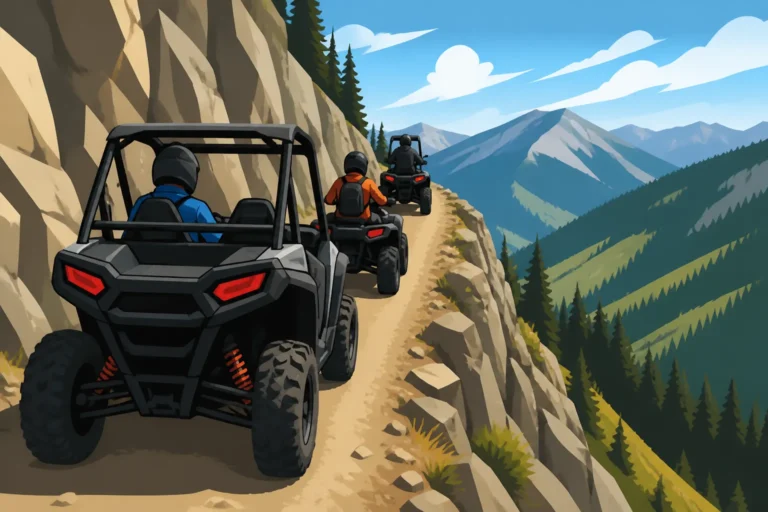
The safest and most respectful approach is for your entire group to maintain a single file line. This not only makes your group appear smaller and less disruptive but also significantly improves safety and traffic flow. It allows other vehicles to pass safely when appropriate and doesn't monopolize the road. Furthermore, maintaining proper spacing between machines within your single file line is crucial. Too close, and you risk a chain reaction collision if the lead rider stops suddenly. Too far, and regular car traffic might try to cut through your group, creating dangerous situations.
A good rule of thumb for spacing is to allow at least two to three seconds behind the machine in front of you, increasing that distance at higher speeds or in adverse conditions. This provides adequate reaction time and allows other vehicles to safely merge or turn without having to squeeze past a long, unbroken line of OHVs. Using hand signals or helmet-mounted radios for communication within the group can help maintain this spacing and alert riders to upcoming hazards or turns.
Respecting Property and Pedestrians
When you're riding through a town, every curb, every lawn, and every driveway is someone's property. Cutting corners too sharply, driving onto lawns, or even just throwing excessive dust onto parked cars can understandably upset residents. Even seemingly minor actions, like idling your noisy machine directly outside a cafe where people are trying to have a quiet conversation, demonstrate a lack of consideration.
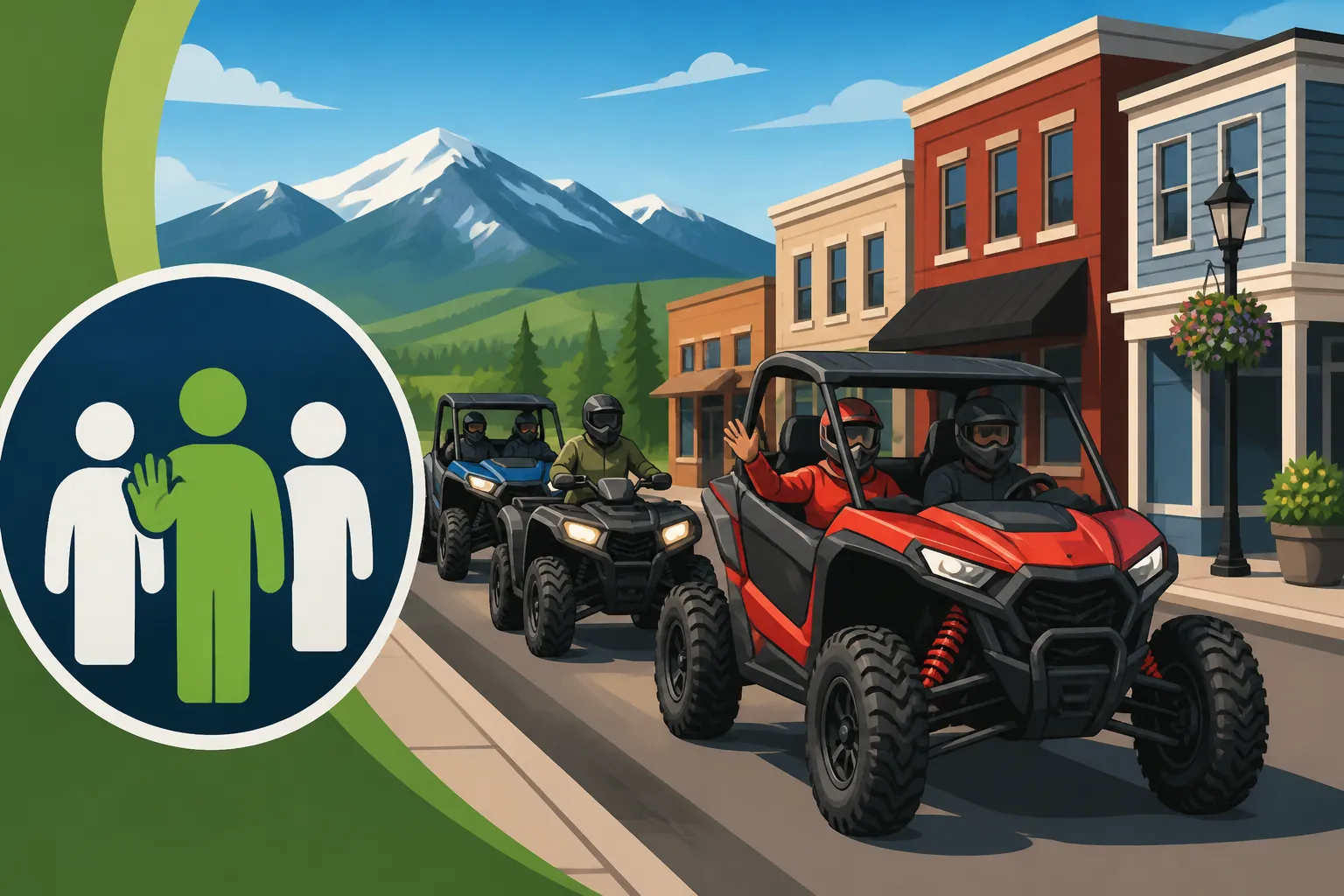
Pedestrians always have the right-of-way, and it's vital to yield to them, just as you would in any other vehicle. Make eye contact, give a friendly wave, and slow down even further when passing people walking on sidewalks or near the road. The dust stirred up by a group of OHVs can be particularly bothersome to pedestrians and residents. If you're on a gravel road or shoulder, slow down significantly to minimize dust clouds. You don't want to coat someone's freshly washed car or make it difficult for them to breathe.
Also, be mindful of where you stop or pull over. Avoid blocking driveways, crosswalks, or the entrances to businesses. If you need to regroup or check a map, pull completely off the road in a safe, designated area if possible. Remember, you're not just representing yourself, but the entire OHV community to the people who live and work in these towns.
Preparing Your Group and Machines for Town Transit
Heading out on the trails is one thing, but planning to ride through town with your group requires a different level of preparation. It's not just about what you do during the ride, but what you do before you even hit the pavement. A well-prepared group, with properly equipped machines and a clear understanding of expectations, will have a much smoother and more respectful experience in any Montana town.
Pre-Ride Briefing and Communication
Before your group even fires up the engines to leave the trailhead or camp, take a few minutes for a quick pre-ride briefing, specifically covering town etiquette. This is especially important if you have new riders or folks who aren't familiar with the local ordinances in [Montana Towns That Allow OHVs on Their Streets]. Clearly lay out the expectations: single file, slow speeds, minimal noise, respect for pedestrians, and no horseplay. Emphasize that the goal is to be a good ambassador for the sport.
Discuss how you'll communicate while riding through town. Hand signals are effective for basic instructions like "slow down," "stop," or "turn." For more complex communication, two-way radios or helmet-mounted intercom systems are invaluable. These allow the lead rider to warn others of upcoming traffic, turns, or hazards, and ensure everyone stays together and informed. Designate a lead rider who knows the route through town and a sweep rider to ensure no one gets left behind or lost.
It’s also a good time to remind everyone about [Montana Alcohol Limits for OHV Operators]. Riding responsibly means staying sober, especially when you're in a public, populated area. A clear, concise briefing sets the tone for a respectful and safe journey through town.
Machine Maintenance for Town Riding
Before venturing into town, ensure all machines in your group are properly maintained and equipped for road use, even if it's just a short transit. This means checking your tires, brakes, and most importantly, your lights. [Headlight and Taillight Rules in Montana] typically require a working headlight and taillight for any road travel, even during the day, so make sure they're functional and visible. Consider adding accessories like turn signals if your machine doesn't have them, as these significantly improve communication with other drivers. Many companies, including SuperATV, offer aftermarket turn signal kits that can be a great safety upgrade.
Make sure your spark arrester is in good condition, especially if you're on public land adjacent to town, as this is often a requirement. While not directly about etiquette, a well-maintained machine is less likely to break down and cause an inconvenience, or attract unwanted attention from law enforcement looking for violations. Ensure your mirrors are properly adjusted – [Mirrors Montana Road Riding Calls For] are crucial for situational awareness, letting you see what's behind your group and if any gaps are forming.
Finally, confirm everyone has their current registration and proof of insurance on their person or in their machine. [Fines for an Unregistered Machine in Montana] are not what you want to encounter in the middle of your trip. Being fully compliant with all vehicle requirements shows responsibility and avoids unnecessary stops or citations from [Sheriff Enforcement on Montana Back Roads] or town police.
Essential Gear for Responsible Town Riding
While personal protective equipment like helmets and goggles are standard for trail riding, there's specific gear that really enhances safety and etiquette when you're in town. Beyond functioning headlights and taillights, consider whether your machine could benefit from additional visibility. [One Headlight and One Taillight] might be the minimum, but extra reflectors or even an LED light bar (used cautiously and aimed properly to avoid blinding others) can make your group more noticeable to drivers, especially in low light conditions or when crossing busy intersections.
Rearview mirrors are not just a convenience; they are often a requirement for legal road riding. They allow you to monitor your group's spacing, keep an eye on traffic behind you, and signal turns more effectively. If your UTV doesn't have them, investing in a good set of side or rearview mirrors is a smart move for town transit.
Another often overlooked piece of "gear" is a good attitude and a willingness to interact positively with locals. A friendly wave, a nod of acknowledgement to a pedestrian, or a polite interaction with a store clerk all contribute to building a positive reputation for OHV riders. It's not something you can buy off the shelf, but it's perhaps the most important piece of gear for respectful town riding.
Navigating Specific Town Situations
Riding through a Montana town presents unique scenarios beyond just driving on the main street. How you handle parking, fueling, and interactions can significantly shape the experience for both your group and the local community. Being prepared for these specific situations will help you demonstrate thoughtful etiquette every step of the way.
Parking and Fueling
One of the biggest challenges for a group of OHV riders in a small town is finding appropriate parking. Unlike cars, which fit neatly into standard spaces, a string of ATVs and UTVs can quickly overwhelm a small parking lot or block access. Before you head into town, especially in popular [Montana Trail Towns Worth a Base Camp] like West Yellowstone or Red Lodge, have a plan for where to park. Look for designated OHV parking areas if available, or larger, less busy lots, such as those at the edge of town or behind a general store.
When [Parking an OHV on a Montana Main Street] or at a business, always be mindful not to block pedestrian walkways, building entrances, or other vehicle traffic. If you're unsure, ask a local business owner or employee if there's a preferred spot for OHVs. Sometimes, pulling into a larger, less-used side street and walking a short distance to your destination is the most respectful option. Spreading out your machines if space allows, rather than bunching up, can also make your group seem less imposing.
[Fueling an OHV in a Montana Trail Town] can also be a point of friction if not handled carefully. Pulling into a gas station with several machines can create congestion. Try to use pumps furthest from the store entrance if possible, and ensure your group isn't blocking access for other vehicles trying to get to the pumps or leave. Fill up quickly, move your machines out of the way, and then go inside to pay or grab snacks. This allows other customers to use the pumps efficiently and minimizes disruption.
Interacting with Locals and Law Enforcement
Positive interactions with locals can turn potential critics into supporters. A simple "hello," a wave, or a friendly smile goes a long way. If someone asks about your machines or your ride, be polite and engaging. Remember that not everyone understands or appreciates OHVs, so a respectful conversation can help bridge that gap. If you encounter a local who seems frustrated, maintain a calm and courteous demeanor. Apologize if you inadvertently caused a disruption and explain your intention to be respectful.
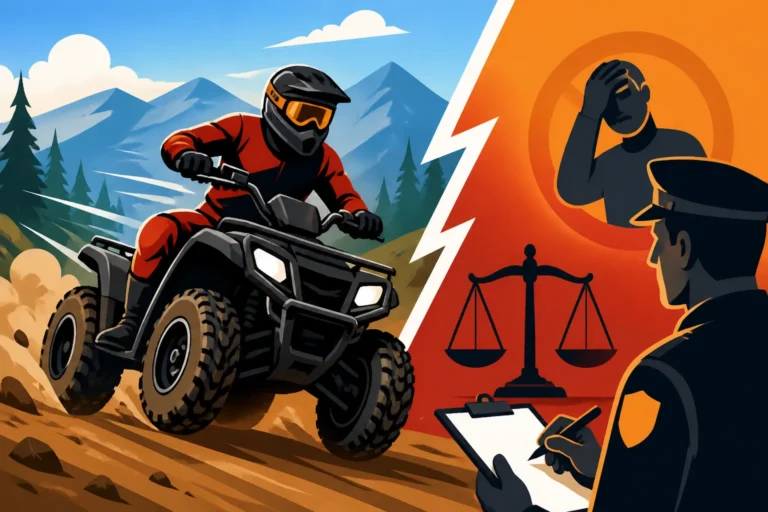
When it comes to law enforcement, remember that [Sheriff Enforcement on Montana Back Roads] and town police are simply doing their job to ensure public safety and enforce local ordinances. If an officer signals you to pull over, do so safely and immediately. Be polite, provide your requested documents (registration, proof of insurance, driver's license if required for [Riding an OHV on the Road in Montana]), and answer questions respectfully. Avoid arguing or becoming defensive. An officer is more likely to be understanding if you are cooperative and demonstrate a clear intent to follow the rules.
Understanding [Montana City Streets and Municipal Ordinances] before you ride can prevent many issues. Some towns have specific hours for OHV access, or certain roads that remain closed. A little research beforehand can save your group from accidental violations and negative interactions.
When to Disperse or Detour
There will be times when, despite your best intentions, a particular town or section of a town might just not be conducive to group OHV riding. Perhaps it's a very narrow main street with heavy pedestrian traffic, or a quiet residential area that feels particularly sensitive to noise. In these situations, the best etiquette might be to adjust your plan.
Consider whether your entire group needs to ride through a sensitive area, or if a smaller subset can go for supplies while the rest wait at a more suitable staging area on the outskirts. Sometimes, a quick detour around a particularly busy or sensitive downtown core, even if it adds a few miles, can be a more respectful option. [Montana Trails That Link Two Towns] might offer alternative routes that avoid the heart of a community entirely.
Having a plan B, or being flexible enough to disperse for a short period, shows genuine consideration for the local community. It prioritizes harmony over convenience and ensures that your group's presence remains a positive, rather than a negative, memory for the residents of these beautiful Montana towns.
Disclaimer
This article is for general informational purposes only and does not constitute professional advice. Laws, prices and regulations vary by location and change over time. Consult a qualified professional for guidance on your specific situation.