Single File on a Narrow Montana Road
Navigating the incredible landscapes of Montana on your ATV or UTV offers unparalleled freedom and adventure. Yet, anyone who's spent time on our backcountry roads knows that "narrow" isn't just a description; it's a way of life, and it can bring some real challenges. Those tight, winding paths, often shared with everything from logging trucks to wildlife, demand a specific approach to safety and etiquette, especially when it comes to riding single file. This guide is here to unravel why this practice is so critical, what kinds of narrow roads you'll encounter, and how to keep yourself and your riding buddies safe while still soaking in Big Sky Country.
The Absolute Necessity of Riding Single File on Narrow Montana Roads
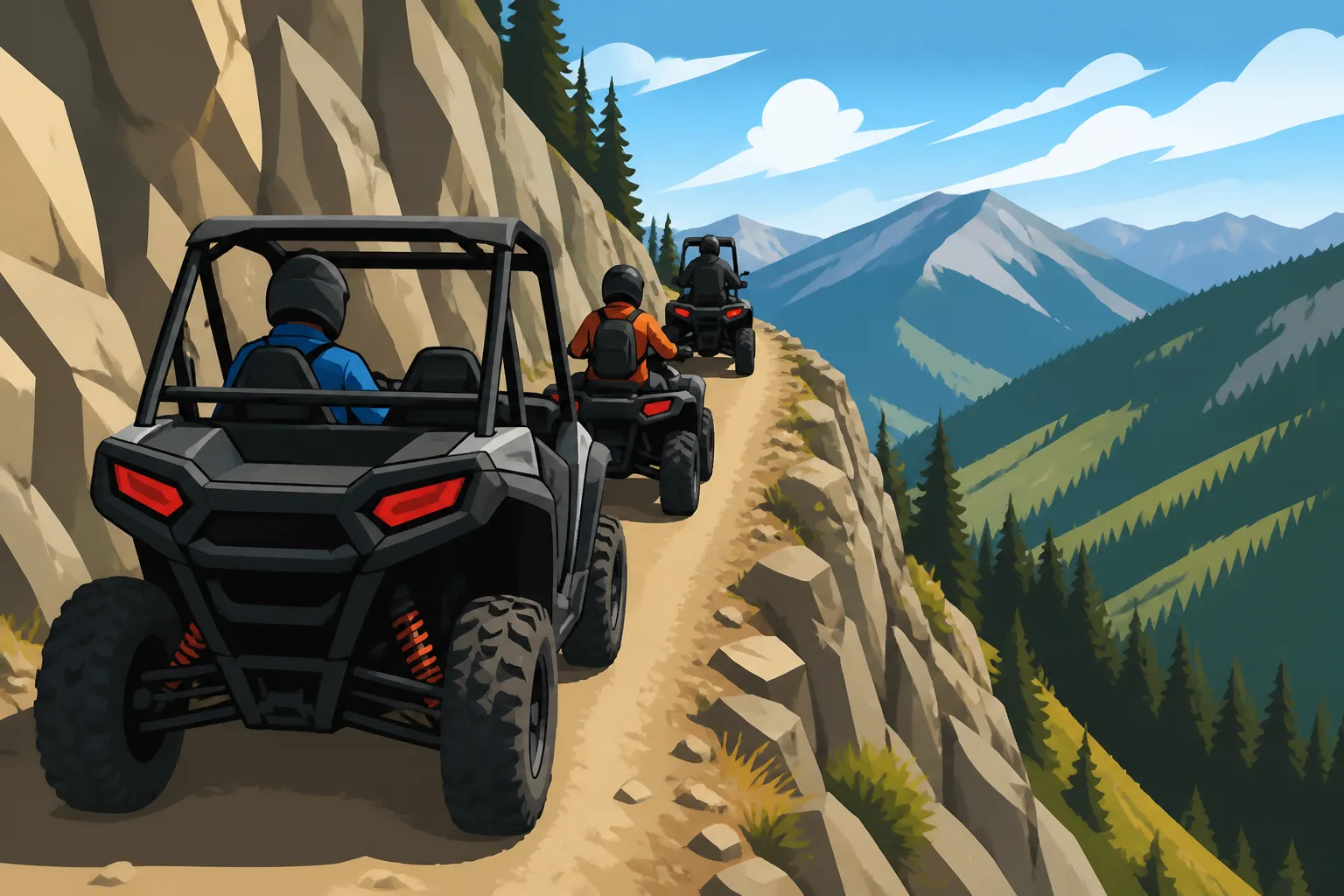
Let's be honest, when you're out with your buddies, the natural inclination might be to ride side-by-side, chatting as you go. It feels companionable. But on Montana's narrow roads, that comfort can quickly turn into a dangerous situation. These aren't your typical wide-open highways. We're talking about roads that often feel barely wider than your machine, carved into hillsides, hugging cliff edges, or winding through dense timber where visibility is limited to a few yards ahead.
Why Space is Always at a Premium
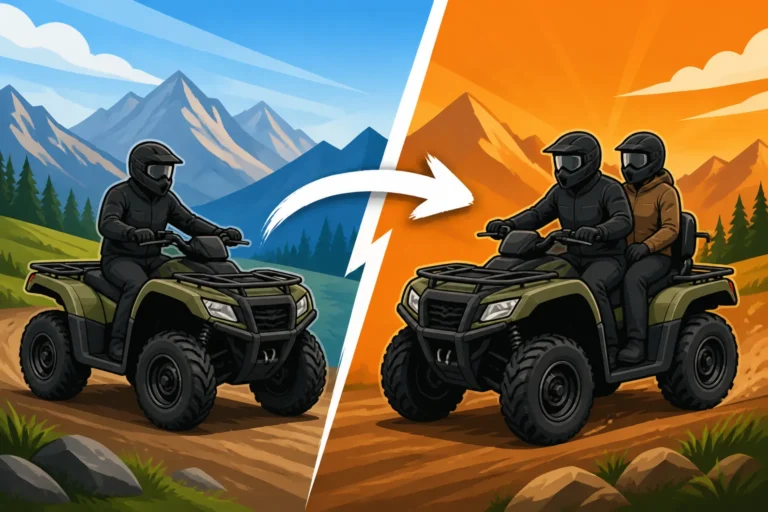
Consider your typical side-by-side. Many popular UTVs, even those designed for trails, can easily be 60 to 72 inches wide. Throw in a couple of riders and some gear, and you're a significant presence. Now, imagine that machine on a gravel road that's only 10 to 12 feet wide. That leaves you with mere feet, sometimes inches, of clearance on either side.
When you ride two abreast, you instantly double your width, making it virtually impossible to safely share the road with oncoming traffic, whether it's another UTV, a full-size pickup, or even a logging truck barreling down from the mountains. These roads often have soft shoulders, steep drop-offs, or no shoulder at all. One wrong move, a slight swerve to avoid a pothole, or an unexpected gust of wind, and you could be in serious trouble. Riding single file creates a predictable, manageable footprint, allowing each rider to focus on their path and react safely.
The Real Danger of Blind Corners and Crests
Montana's terrain is stunning, but it's also incredibly unforgiving when it comes to sightlines. We have countless blind corners, steep hills that crest suddenly, and dense tree cover that can hide an approaching vehicle until it's too late. When you're riding single file, each machine maintains its own lane position, giving the lead rider the best chance to spot an obstacle or oncoming traffic and react accordingly. The following riders can then mirror that action.
If you're riding side-by-side and round a blind corner to find a truck coming the other way, you've suddenly cut your reaction time dramatically. There's no space to maneuver, no time to get into a single file line, and a high probability of a collision. We've all been in those heart-stopping moments, and believe me, you don't want to compound that risk by taking up more road than necessary. It's not just about avoiding an accident; it's about giving yourself the best possible chance to react safely to the unexpected, which is a constant companion on Montana's backcountry roads.
Navigating Different Types of Narrow Montana Roads
Montana's vastness means you'll encounter a variety of "narrow roads," each with its own set of challenges and considerations for single-file riding. Understanding these distinctions is key to a safe and respectful ride.
Forest Service and BLM Roads: Shared Spaces and Unexpected Encounters
Many of Montana's best ATV and UTV riding opportunities are found on roads managed by the U.S. Forest Service or the Bureau of Land Management (BLM). These roads are truly multi-use. You might encounter anything from another group of OHV enthusiasts, to a hiker taking a peaceful walk, to a full-sized logging truck hauling timber, or a rancher moving cattle. They are often unpaved, winding, and as the name suggests, frequently narrow.
On these roads, the default assumption should always be that you are sharing the space. Riding single file ensures you leave as much room as possible for others, especially larger vehicles that can't easily move over. Logging trucks, in particular, need almost the entire road and often travel at surprising speeds, even on rough terrain. Seeing a big rig coming your way on a single-lane dirt road can be intimidating, and riding single file is the only way to give yourself a fighting chance to get out of their way. Also, be aware that you might come across other recreational users, like mountain bikers or equestrians, who appreciate a clear, predictable path. Many of these roads fall under the general rules for [Montana Rules on Forest Service Roads], so it's wise to review those before you head out.
County Gravel Roads: The Heartbeat of Rural Montana
Montana's network of county gravel roads is extensive, connecting small towns, ranches, and remote properties. While some might be wide enough for two vehicles to pass, many are not, especially in the more mountainous or less populated areas. These roads are the lifelines for local residents and often carry a mix of passenger vehicles, farm machinery, and livestock trailers.
When riding a county gravel road, you are operating in a residential and agricultural zone. Dust can be a huge issue, reducing visibility for everyone. Riding single file helps reduce the overall dust cloud width, which is a small but appreciated courtesy to those you pass. More importantly, it shows respect for the residents who use these roads daily. Locals are used to seeing OHVs, but they expect responsible riding. If you're planning to ride through specific counties, remember that [County Commissioners and Montana County Roads] often have the final say on OHV access, and a positive relationship with the community starts with respectful riding practices like staying single file on narrow sections.
Private Access Roads and Easements: Respecting Boundaries
It's not uncommon for public OHV trails or roads to cross or run adjacent to private land via easements or unwritten agreements. These sections are often the narrowest and can be the most sensitive. You might encounter closed gates, signs indicating private property, or even livestock.
When on an access road that borders or crosses private land, riding single file is more than just a safety measure; it's a demonstration of respect for the landowner's property. It minimizes your footprint and makes it easier to stay on the designated path, avoiding inadvertent trespassing. Always be mindful of your surroundings, look for property markers, and reduce speed. A friendly nod or wave to a passing rancher goes a long way in maintaining good relationships between riders and landowners. Remember, continued access to many routes depends on the good behavior of riders.
Table: Narrow Montana Road Types and Single-File Considerations
Understanding the nuances of different road types can help you anticipate challenges and prepare accordingly.
| Road Type | Typical Width (Approx.) | Key Considerations for Single File | Shared With | Primary Risk Factors | Recommended Conduct |
|---|---|---|---|---|---|
| Forest Service Road (Narrow) | 8-12 feet | Blind curves, steep drop-offs | Logging trucks, hikers, mountain bikers | Head-on collisions, losing control on steep sections | Always assume oncoming traffic, yield to larger vehicles |
| County Gravel Road (Single Lane) | 10-14 feet | Dust, farm equipment, resident vehicles | Cars, trucks, farm machinery, livestock | Reduced visibility, encountering large vehicles suddenly | Minimize dust, be courteous to residents, watch for animals |
| Private Access/Ranch Road | Varies (often <8 feet) | Property lines, gates, livestock, residents | Ranchers, homeowners, private vehicles | Trespassing, startling animals, property damage | Stay on marked path, close gates, respect private property |
| Town/City Connector Road (OHV Approved) | 15-20 feet (often paved) | Pedestrians, parked cars, speed limits | Cars, bikes, pedestrians | Traffic violations, surprising residents, accidents | Obey all traffic laws, watch for pedestrians and cyclists |
Essential Safety, Etiquette, and Gear for Single-File Riding
Beyond simply lining up one after another, safe single-file riding on Montana's narrow roads involves a proactive approach to communication, preparation, and mutual respect. It's about more than just avoiding a ticket; it's about creating a safe and enjoyable experience for everyone on the trail.
Communication, Signaling, and Situational Awareness
When riding single file, especially with a group, clear communication is paramount. The lead rider is your eyes and ears for what's ahead. They need to be vocal about upcoming hazards, blind spots, or oncoming traffic. Hand signals are a classic and effective way to relay information down the line without needing to shout over engine noise. A simple raised hand for "stop," pointing to indicate a hazard, or a pat on the helmet for "clear to pass" can prevent misunderstandings and keep everyone safe.
Many riders use helmet-mounted communicators or two-way radios for group rides. Brands like Sena or Cardo offer systems that allow seamless chat between riders, which is invaluable for calling out a sudden stop or warning about an unseen obstacle around a bend. Even if you don't have these high-tech gadgets, a pre-ride briefing about common hand signals and what to do in an emergency can make all the difference. Always be aware of the rider behind you, too. Check your mirrors frequently, especially if you're using aftermarket solutions from companies like SuperATV that offer wider, more durable options, ensuring everyone is accounted for and nobody's been left behind or is struggling. [Group Etiquette Riding Through a Montana Town] is not just for towns; it applies to all shared spaces.
Essential Safety Gear and Machine Readiness
Your machine needs to be as ready for those narrow roads as you are. Good brakes are a given, but also ensure your tires are in good condition and properly inflated for the terrain. Beyond that, consider enhancing your visibility. Even in daylight, on dusty roads or in forested areas, your machine can blend in. Adding reflective tape to your machine, especially on the rear, can make a huge difference. [Reflective Tape Before a Dusk Ride] is not just for nighttime; it's a smart addition for any low-light condition or when dust is thick.
For riders, helmets are crucial. While adults aren't always legally required to wear a helmet on certain roads in Montana, it's a no-brainer for safety, especially on unpredictable narrow routes. [Montana Helmet Rules for Riders Under 18] definitely apply, but smart adults wear them too. Eye protection, gloves, and sturdy footwear are also highly recommended. If you've upgraded your machine with components from a brand like SuperATV, such as a sturdy bumper or rock sliders, those can offer an extra layer of protection against unexpected bumps or scrapes against rocks and trees on tight trails. Having a basic tool kit, a spare tire or tire repair kit, and enough fuel are also non-negotiable for remote Montana rides.
Respecting Others and the Environment
Riding single file is also a sign of respect. It shows you're aware of other users and landowners. Beyond that, considerate riding involves managing your speed, especially when passing others or moving through populated areas. Kicking up a massive dust cloud or roaring past a ranch house at full throttle doesn't exactly endear you to the locals. [Montana Noise Rules in Small Towns] are real, and even on unpaved roads, excessive noise can be an issue.
If you encounter horses, always stop your machine, turn off the engine, and let them pass. Horseback riders appreciate this immensely, as sudden engine noise can spook horses. When passing hikers or cyclists, slow down to a crawl, give them a wide berth, and offer a friendly greeting. Remember, we all share these amazing landscapes.
Legal Implications and Consequences of Unsafe Riding
Ignoring the common-sense practice of single-file riding on narrow roads can lead to more than just a fender bender; it can have serious legal and financial repercussions. Law enforcement, including county sheriffs and Forest Service rangers, actively patrol these areas.
Potential Fines and Liability in an Accident
Operating your OHV unsafely, which could include riding two abreast on a clearly single-lane road, can result in citations for reckless operation or other traffic violations. Penalties can include significant fines, and in some cases, even temporary loss of riding privileges. [Montana Fines for Illegal Road Riding] can add up quickly, especially if you're cited for multiple infractions.
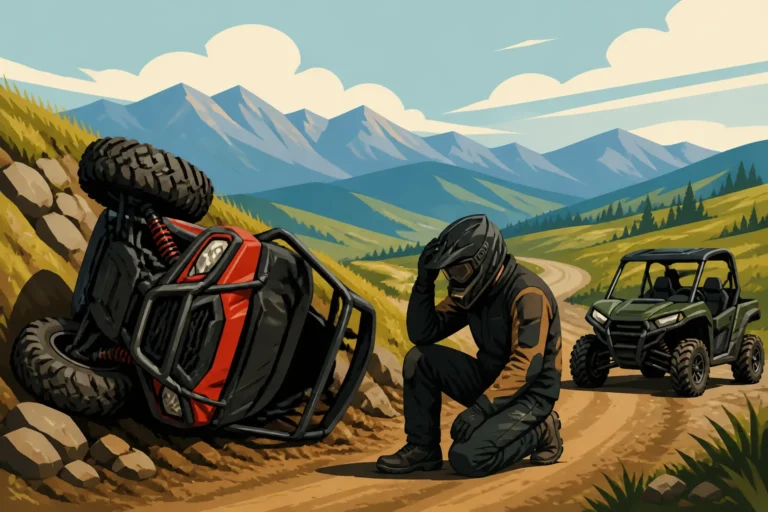
More critically, if an accident occurs because you were riding improperly, your liability could be substantial. Imagine a head-on collision on a blind corner because you were riding side-by-side, taking up the entire road. Beyond the physical injuries, which could be severe, you could be held financially responsible for damages to other vehicles, medical costs, and even pain and suffering. This is where [Montana OHV Accident Reporting Rules] come into play, and a thorough investigation will determine fault. Your insurance might even deny a claim if you were operating your machine in a negligent or illegal manner.
When Local Ordinances Come Into Play
It's important to remember that while the state of Montana sets general OHV rules, local jurisdictions—counties and individual towns—can have their own specific ordinances regarding OHV use on their roads. A county might designate certain roads as OHV-friendly but impose strict rules about speed, noise, or even how many machines can travel side-by-side.
For instance, [Riding an OHV on the Road in Montana] is a nuanced topic, with specific roads opened by local commissioners. Even on these approved roads, operating in a way that creates a hazard (like ignoring single-file requirements on narrow sections) could put you in violation of a local ordinance. [Sheriff Enforcement on Montana Back Roads] is a common sight, and they are well-versed in both state and local rules. Ignorance of an ordinance is rarely an excuse, and fines can vary widely. Always check local regulations for the specific area you plan to ride, especially when transitioning from designated trails to county roads.
Disclaimer
This article is for general informational purposes only and does not constitute professional advice. Laws, prices and regulations vary by location and change over time. Consult a qualified professional for guidance on your specific situation.