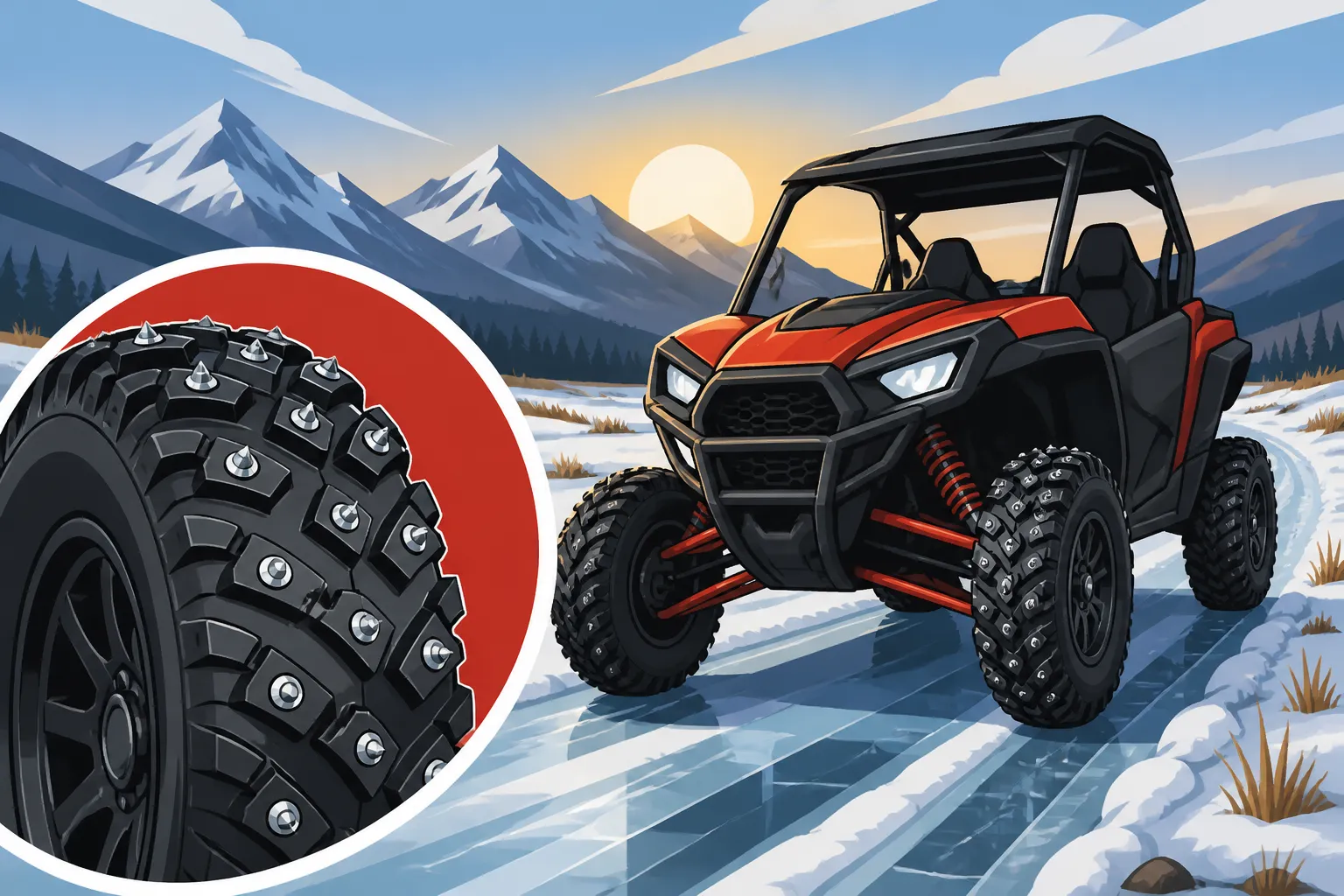
Studded Tires on Frozen Montana Two-Track
There's nothing quite like the crisp air and stark beauty of a Montana winter, but when that favorite two-track trail or county road turns into a sheet of ice or a slick, packed-snow ribbon, the thrill can quickly become a white-knuckle fright. This guide delves into the world of studded tires for your ATV or UTV, exploring how they can transform treacherous frozen surfaces into confident, controlled winter riding, making those cold-weather adventures not just possible, but genuinely enjoyable.
The Allure and Treachery of Winter Riding in Montana
Montana in winter is a postcard come to life, but it's also a serious challenge for anyone looking to extend their ATV or UTV season. While the silence of snow-covered landscapes calls to the adventurous spirit, the ground beneath those tracks can be surprisingly unforgiving.
Embracing Montana's Off-Season Beauty
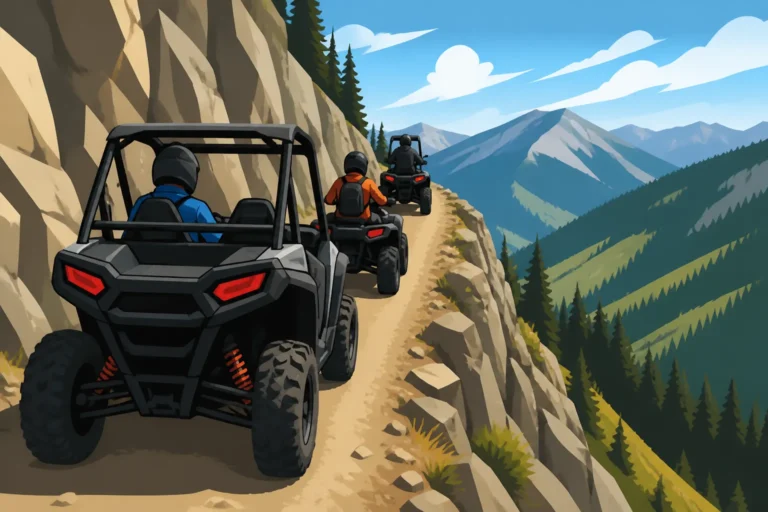
Imagine riding through a hushed forest, snow clinging to pine boughs, the only sound the gentle hum of your engine and the crunch of tires on powder. Winter riding in Montana offers a unique perspective on the landscape, often revealing views and trails that are inaccessible or simply overlooked during warmer months. The crowds thin out, wildlife sightings can become more common, and the air is invigoratingly clean. For many, it's a chance to truly connect with the solitude and grandeur of the Big Sky Country. It’s a completely different experience than a dusty summer ride.
However, this beauty comes with a caveat. The very conditions that create such serene landscapes – freezing temperatures, snow, and ice – also create hazardous riding surfaces. What looks like a simple snow-covered track can hide a treacherous layer of black ice, ready to send an unsuspecting rider sliding. This is where preparation becomes paramount, and where the right equipment, like studded tires, can make all the difference between a memorable adventure and a regrettable incident.
The Slippery Reality of Frozen Two-Track
Those beautiful, winding two-track trails and unpaved county roads that provide endless miles of adventure in the summer often transform into slippery hazards once the deep freeze sets in. Packed snow can be deceptively slick, almost like riding on marbles, while a hidden layer of ice beneath a dusting of fresh powder can catch you completely off guard. The frustration of spinning tires, the constant battle for traction, and the fear of an uncontrolled slide can quickly sap the joy out of a winter ride.
This isn't just about discomfort; it's a real safety concern. Losing control on a frozen surface can lead to nasty spills, bent machines, or worse. The edges of those roads can drop off unexpectedly, and hitting a frozen rut with no traction can send your machine veering into deep snow or even off the track. Even low-speed maneuvers can become perilous. It’s precisely these conditions that make riders look for ways to gain a solid grip on the winter terrain, allowing them to truly explore [Montana's National Forest Trail Systems] or simply enjoy a quiet ride on a local county road without constant worry.
Understanding Studded Tires for ATVs and UTVs
When the ground turns hard and slick, regular knobby tires just don't cut it. That's where studded tires step in, offering a crucial advantage for winter enthusiasts. They are specifically designed to provide the grip you need when every other tire is struggling.
What Exactly Are Studded Tires?
At their core, studded tires are exactly what they sound like: tires that have small, hardened metal or ceramic studs embedded into their tread pattern. These studs can be factory-installed, meaning they are molded into the tire during manufacturing, or they can be aftermarket screw-in studs that you or a shop can add to an existing set of tires. The idea is simple: these tiny protrusions act like miniature ice picks, digging into icy surfaces and packed snow to provide a mechanical grip that rubber alone cannot achieve.
The number, type, and pattern of studs can vary greatly. Some tires are designed with many small studs for consistent, even grip, while others might feature fewer, larger studs for aggressive biting power. You'll find options from various manufacturers, and for those looking to customize their existing setup, companies like SuperATV offer screw-in studs that allow you to convert suitable tires for winter use. When you’re dealing with the unpredictable mix of ice, frozen gravel, and packed snow common on Montana's two-tracks, having that extra bite is genuinely confidence-inspiring.
How Studs Tackle Ice and Packed Snow
The magic of studded tires lies in their ability to penetrate slippery surfaces. When your ATV or UTV's weight pushes the tire down, the studs come into direct contact with the ice or hard-packed snow. Unlike a rubber tread that might just slide across, the studs dig in, creating thousands of tiny anchor points. This mechanical interlock is what provides superior traction, allowing you to accelerate, brake, and steer with far more control.
Think of it like walking on ice: regular shoes might slip and slide, but shoes with spikes or cleats give you a firm footing. Studded tires do the same for your machine. This enhanced grip means shorter stopping distances, more confident cornering, and the ability to climb inclines that would be impossible with unstudded tires. While regular knobby tires excel at displacing mud and gripping loose dirt, their effectiveness diminishes dramatically on frozen surfaces. Studs are purpose-built for winter's harshest conditions, giving you the edge you need to safely navigate [Montana Winter Road Riding Rules] and enjoy those frozen adventures.
Montana Regulations and Best Practices for Studded Tire Use
While studded tires offer a significant advantage for winter riding, it's important to understand the local rules and how to use them responsibly. Montana's broad landscapes mean varied terrain, and what works in one area might not be ideal or even permitted in another.
Navigating Montana's Studded Tire Laws for OHVs
When it comes to studded tires on ATVs and UTVs in Montana, the regulations can feel a little less defined than for highway vehicles. Generally, Montana law allows passenger vehicles to use studded tires during specific winter months, but OHVs operate under a slightly different set of rules, especially when on designated trails or unimproved roads. The good news for most off-highway enthusiasts is that there typically aren't specific prohibitions against studded tires on true off-highway trails, forest roads, or unmaintained two-tracks. These areas are usually designed for rugged use, and the impact of studs is generally accepted, especially given the hardened nature of frozen ground.
However, if you plan on riding your OHV on any public roads or highways where [Riding an OHV on the Road in Montana] is allowed (and requires certain equipment), you need to be aware that the definition of what constitutes an "OHV" versus a "motor vehicle" can sometimes blur. While OHV regulations often defer to local county or forest service rules for specific routes, always assume that if you're on a paved surface or a maintained gravel road, you should comply with general studded tire regulations for vehicles. It's always a smart move to check with the local land management agency (like the Forest Service or BLM) for the specific area you plan to ride, as they might have particular guidelines.
When and Where to Use Them Responsibly
Using studded tires isn't just about legality; it's about responsible riding. While they provide fantastic grip on ice and hard-packed snow, they can be detrimental to softer surfaces. Running studded tires on dry pavement or even soft dirt can cause excessive wear to the studs and the tire, reduce handling performance, and, more importantly, damage the road surface. This is why many riders will only put them on for the deep winter months.
Pros of Studded Tires:
- Superior Traction: Unmatched grip on ice and hard-packed snow.
- Enhanced Safety: Significantly reduced braking distances and improved control, especially in emergency situations.
- Increased Confidence: Allows riders to tackle conditions they might otherwise avoid, opening up more winter riding opportunities.
- Access to More Terrain: Some remote trails or forest roads that become impassable with regular tires can be conquered with studs.
Cons of Studded Tires:
- Surface Damage: Can chew up asphalt, concrete, and soft dirt, leading to premature wear on trails and roads. This could even lead to issues under [Montana Trespass Law for Riders] if you damage private land.
- Reduced Dry Performance: On bare pavement or dry dirt, studs can feel squirmy and reduce overall grip, as the studs lift the rubber slightly off the ground.
- Noise and Vibration: Can create more road noise and vibration, though this is less of a concern on slow-moving OHVs than highway vehicles.
- Cost and Maintenance: Studded tires are generally more expensive and require careful use to prolong stud life. You also might need to swap them out seasonally, which can be a chore.
The best practice is to reserve studded tires for conditions where they genuinely provide an advantage: consistent ice, frozen ground, and deep, packed snow. If the forecast calls for a thaw, or you know your route includes long stretches of bare, dry road, consider if the benefits outweigh the drawbacks. For purely off-road, winter conditions on trails within [Montana's National Forest Trail Systems], studs are typically a game-changer.
Choosing, Installing, and Maintaining Your Studded Tires
Getting the most out of your studded tires means making informed choices about what to buy, putting them on correctly, and taking care of them throughout the season. It’s an investment that pays off in safety and enjoyment, but only if handled properly.
Selecting the Right Studded Tires or Kits
When you're ready to commit to better winter traction, you have a couple of routes to consider. First, you can opt for pre-studded winter tires. These tires are designed from the ground up for cold weather, often featuring softer rubber compounds that remain flexible in freezing temperatures, along with integrated studs. They offer a complete, ready-to-go solution, but might be a bigger upfront investment. Second, and often more popular for ATV/UTV owners, is adding screw-in studs to your existing tires, or a new set of dedicated winter-tread tires. Companies like SuperATV offer various screw-in stud kits, allowing you to customize the number and placement of studs based on your riding style and local conditions.
When choosing, consider the type of riding you do most. Are you mostly on sheer ice, or a mix of deep snow and frozen gravel? Tires with an aggressive, open tread pattern are ideal for self-cleaning in snow, and these often accept screw-in studs very well. The stud count also matters; more studs generally mean more grip, but can increase cost and impact performance on non-icy surfaces. Make sure the tire you choose has enough tread depth and a suitable lug design to hold the studs securely. Don't forget to think about your vehicle's weight and power; a heavier UTV might benefit from a higher density of studs than a lighter ATV.
Installation Tips and Tricks
Installing studded tires, especially if you're using screw-in kits, can be a DIY project or something best left to a professional. If you're going the DIY route, here are a few tips:
- Preparation is Key: Make sure your tires are clean and dry. If they're new, sometimes riding them for a bit to "break in" the rubber can help ensure proper stud seating.
- Proper Tools: You'll need a stud gun or a specialized installation tool that comes with your stud kit. Using the right tool ensures studs are inserted to the correct depth and don't get damaged.
- Pattern Planning: Don't just randomly insert studs. Plan a pattern that will maximize grip, often concentrating studs on the leading and trailing edges of the lugs. You want studs to be in contact with the ground at all times.
- Go Slow: Take your time, especially if it's your first time. Rushing can lead to improperly seated studs, which can fall out prematurely.
- Check Depth: Ensure the studs are flush with the tire surface, or just slightly protruding, according to the manufacturer's instructions. If they're too deep, they won't grip; if they're too shallow, they'll wear out or tear out faster.
If you're buying pre-studded tires, installation is like any other tire swap. If you're unsure about adding studs yourself, or simply don't have the time, many local tire shops or powersports dealers can perform the service for you. They have the specialized equipment and experience to get it right, ensuring your studs are ready for the frozen two-track.
Maximizing the Life of Your Studs
Once you've got those studs biting into the Montana winter, you'll want to ensure they last. Studded tires, like any specialized equipment, benefit from careful use and maintenance.
- Avoid Dry Pavement: As mentioned before, dry, hard surfaces are the enemy of studs. If you must ride on pavement, do so slowly and sparingly. This not only protects your studs but also prevents unnecessary wear on the road itself.
- Proper Inflation: Keep your tires properly inflated according to your manufacturer's recommendations. Under-inflated tires can cause studs to wear unevenly or pull out, while over-inflation can reduce the tire's contact patch and overall grip.
- Inspect Regularly: Before and after each ride, do a quick visual inspection of your tires. Check for any missing or damaged studs. Some stud kits allow for easy replacement of individual studs. It’s also a good idea to check your tire pressure.
- Clean and Store Properly: After the winter season, give your studded tires a thorough cleaning to remove any dirt, salt, or debris. Store them in a cool, dry place out of direct sunlight. If you have separate winter wheels, this makes seasonal swaps much easier. Just like you'd take care to prevent [When a Montana OHV Decal Peels Off Over Winter], you'll want to protect your tires from the elements during storage.
- Break-in Period: Many studded tire manufacturers recommend a short break-in period (often around 50-100 miles) of gentle riding on varied surfaces to allow the studs to properly seat in the tire and minimize premature loss.
By following these practices, you'll extend the life of your studded tires, ensuring they're ready to deliver reliable traction for many Montana winters to come, whether you're exploring [Helena-Lewis and Clark Forest Riding] or just heading out to check the fence line.
Comparing Winter Tire Options for Your Montana OHV
To help you decide if studded tires are the right choice for your specific winter riding needs, here's a comparison of common tire types and how they perform in various cold-weather conditions.
| Tire Type | Best For | Traction on Ice | Traction on Packed Snow | Traction in Deep Snow | Performance on Dry/Paved | Pros | Cons |
|---|---|---|---|---|---|---|---|
| Studded Tires | Extreme ice, frozen two-track, hard-packed snow | Excellent | Excellent | Good | Poor | Superior grip, confidence, safety in icy conditions | Damages soft surfaces, reduced dry performance, cost, noise, stud wear |
| Dedicated Winter Tires (Non-Studded) | Moderate snow, cold temperatures, some packed snow | Fair to Good | Excellent | Excellent | Good | Softer compound for cold, aggressive tread for snow, quieter than studs | Less effective on pure ice than studs, may still struggle on sheer ice |
| Aggressive All-Terrain/Mud Tires | Deep snow, mud, varied off-road | Poor to Fair | Fair to Good | Good | Fair to Good | Versatile for multiple seasons, good in mud and soft terrain | Hard compound becomes very stiff in cold, minimal grip on ice, poor on packed snow |
| Standard Trail Tires | General trail riding, light snow | Poor | Poor | Fair | Excellent | Comfortable ride, good all-around performance in mild conditions | Not designed for winter, very poor traction on ice and packed snow |
This table illustrates the specialized nature of studded tires. While all-terrain tires might get you through light snow, they simply can't compete with studded or dedicated winter tires when the mercury drops and the ground freezes solid. When planning [A Montana Riding Trip] in winter, carefully consider the conditions you expect to encounter.
Disclaimer
This article is for general informational purposes only and does not constitute professional advice. Laws, prices and regulations vary by location and change over time. Consult a qualified professional for guidance on your specific situation.