Snow Still on Montana Forest Roads
There’s nothing quite like the anticipation of spring in Montana, especially when you’re itching to get your ATV or UTV out on the forest roads. But here’s the cold, hard truth: while the valleys might be greening up and the sun feels warm on your face, those higher elevation forest roads can hold onto snow for what feels like an eternity. This guide is here to help you understand why that snow lingers, how to safely navigate it when you do hit the trails, and what you need to prepare for a successful, and safe, early-season ride in Big Sky Country.
Understanding Montana's Snowpack and Trail Opening Realities
For those of us who live and breathe Montana's backcountry, the sight of clear pavement in town doesn't automatically mean open trails up high. Many riders, especially those new to the state or just getting into the sport, get caught off guard by how long the snow can persist on our forest roads and trails. It's not just about temperature; it's a complex dance of elevation, aspect, and the sheer volume of snow we often receive.
Why Snow Lingers So Long in Montana's Mountains
Montana's diverse landscape means vastly different conditions from one county to the next, and even within the same mountain range. Up in the higher elevations, where most of our beloved forest roads wind, the snow can accumulate several feet deep over the winter. This isn't your fluffy, easy-to-melt stuff; it often compacts into dense, icy drifts, especially on roads that see minimal sun exposure. North-facing slopes, shaded canyons, and areas with thick tree cover act like natural refrigerators, holding onto snow long after south-facing slopes are bare. It’s not uncommon to hit deep drifts well into June or even early July in some high-country spots. Imagine planning a trip to the [Custer Gallatin Trails Near Bozeman] in late May, only to find the higher passes still choked with snow, making passage impossible for anything less than a tracked machine. This lingering snow creates a frustrating barrier for riders eager to access their favorite spots.
Typical Opening Seasons and Elevations
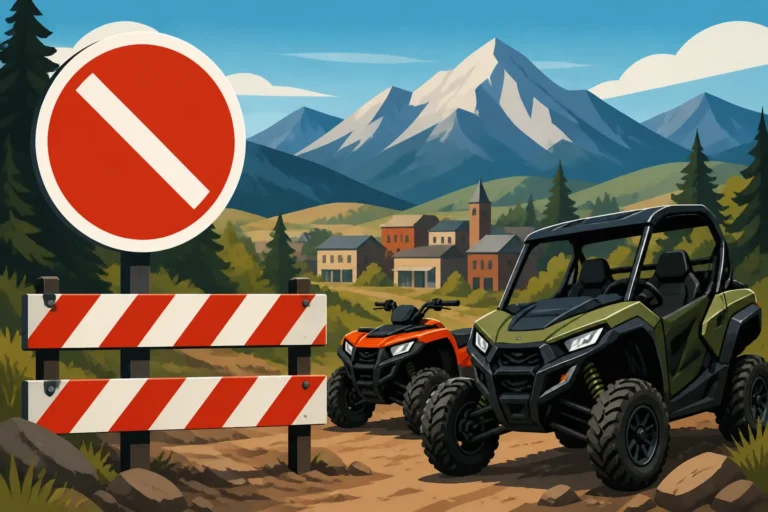
There isn't a single "opening day" for Montana's forest roads because conditions are so variable. Generally, lower elevation forest roads, often below 5,000 feet, might become accessible by late April or early May, assuming a mild winter. As you climb above 6,000 feet, however, the waiting game truly begins. Many high-country trails and roads in areas like the [Helena-Lewis and Clark Forest Riding] or the [Bitterroot National Forest OHV Trails] won't fully clear until mid-June, or even early July following a heavy snow year. The Forest Service actively manages these roads and trails, often delaying opening dates to prevent damage from rutting when the ground is soft and wet from snowmelt. This can be a real bummer when you've planned a long weekend, only to find the gate still locked due to snow at higher elevations. It's a critical piece of information when you're planning your spring and early summer riding adventures.
How to Check Current Conditions Before You Go
Before you even hitch up the trailer, checking the latest conditions is absolutely non-negotiable. Relying solely on a weather app for the nearest town is a recipe for disappointment, or worse, getting stuck. The best resources are often local. Start with the specific Ranger District that manages the area you intend to ride. Their websites often have "Travel Management" or "Road Status" pages with up-to-date information on closures, snow levels, and estimated opening dates. Many districts also staff their offices with folks who can give you hyper-local insights. Beyond official sources, local OHV clubs are invaluable. They often have members who are out scouting conditions, and they share real-time updates on social media groups or forums. Checking [When Montana High-Country Trails Open] is a smart move, but remember, the dates are estimates. Tools like onX Offroad or even Google Earth can give you a visual on elevation and aspect, which helps you understand potential snow pockets. Always remember that conditions can change rapidly in the mountains, so even if it was clear yesterday, a fresh spring storm could drop several inches overnight.
Navigating Snow-Covered Forest Roads Safely
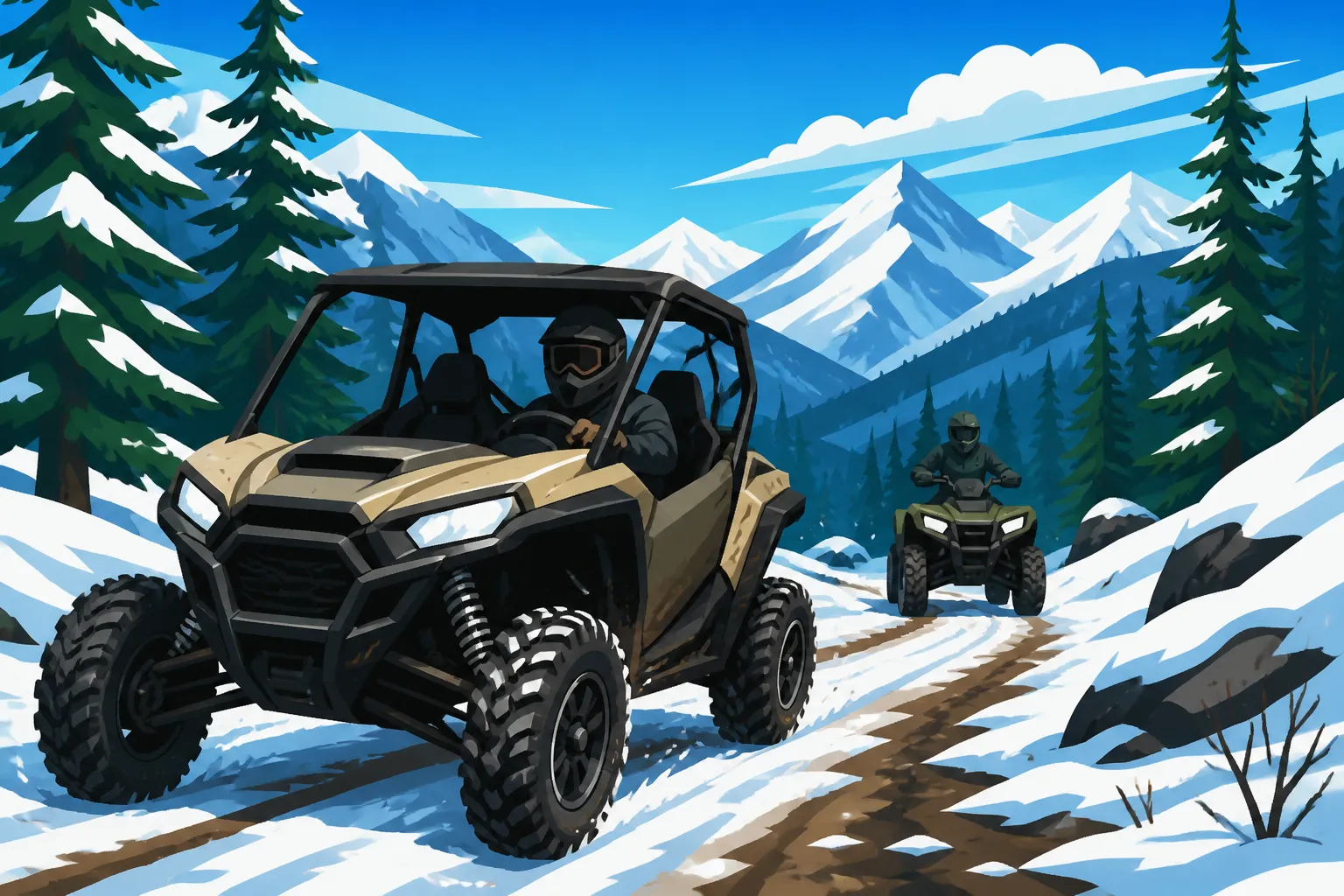
Encountering snow on a forest road can range from a thrilling adventure to a significant hazard, depending on how you approach it. It’s not just about getting through; it’s about doing so responsibly and without putting yourself or others at risk.
Recognizing Hazardous Conditions and Hidden Dangers
Riding on snow, especially melting or refrozen snow, presents a unique set of challenges. One of the biggest dangers is hidden obstacles. A seemingly smooth expanse of snow could be covering rocks, logs, deep ruts, or even small culverts. Imagine cruising along, only to drop a tire into a concealed pothole, potentially causing serious damage to your machine or even throwing a passenger. Another major concern is ice, particularly in shaded areas or during early mornings after a freeze. Patches of black ice can cause an instant loss of traction, turning a scenic ride into a terrifying slide. Wet, heavy spring snow also drains energy from your machine and can quickly lead to overheating if you’re constantly churning through it. Always be on high alert for unstable snow bridges over creeks or ditches – what looks solid from above might be a thin crust over rushing water. [Spring Mud and Montana Trail Damage] often goes hand-in-hand with melting snow, creating boggy sections that can swallow a machine whole.
Traction and Control Challenges
Maintaining traction and control on snow is a different beast than on dirt. Your standard all-terrain tires, while great for dry trails, can struggle significantly in slush, deep powder, or icy conditions. They tend to pack with snow, turning into slick, rounded surfaces that offer little grip. This can make climbing even gentle inclines a battle, and descending can become a terrifying experience as your machine slides rather than rolls. Braking distances are dramatically increased, and steering responsiveness can be severely compromised. When you find yourself spinning your tires, trying to muscle through deep drifts, it's not only frustrating but also puts immense strain on your drivetrain. Brands like SuperATV offer specialized tires or even full track conversion kits designed specifically for snow, which can make a world of difference for serious winter or early spring riders looking for maximum floatation and grip. Without the right setup, you might find yourself needing a [Winching on a Steep Montana Trail] operation sooner than you think.
Environmental Considerations and Trail Etiquette
When riding in areas with lingering snow, your impact on the environment can be greater than on dry trails. The ground underneath is often saturated and soft, making it highly susceptible to rutting. Driving through deep ruts or around obstacles can widen trails, damage vegetation, and lead to erosion. This is why the Forest Service often delays opening dates, and why it's crucial for riders to respect those closures. If you encounter a section of trail that is impassable due to snow or mud, it’s always best to turn around rather than trying to force your way through or create an illegal bypass. Stay on designated routes as specified on a [Finding a Forest's Motor Vehicle Use Map]. Remember, we share these wild spaces with wildlife that are often coming out of winter dormancy; their food sources might be limited, and disturbing them can cause undue stress. Practicing good trail etiquette means minimizing your impact and preserving these natural resources for everyone, including future generations of riders.
Gear and Preparation for Spring Riding in Montana
Hitting the trails when snow is still a factor requires a shift in your packing list and machine prep. It's about being ready for anything, from slushy sections to unexpected ice, and the general unpredictability of mountain weather.
Essential Gear for Snowy Conditions
Your regular summer riding kit simply won't cut it when you're expecting snow. First and foremost, appropriate cold-weather riding gear is a must. Think waterproof and insulated layers, gloves, and boots. Even if it's sunny in the valley, temperatures drop significantly with elevation and can plunge when the sun dips or a storm rolls in. A good helmet is always essential; for spring riding, consider one with a clear visor and possibly a heated option to prevent fogging. Beyond personal gear, your machine needs attention. A winch is practically non-negotiable for spring riding; getting stuck in deep, wet snow is a common scenario, and a winch (perhaps from a reputable brand like SuperATV) can be your best friend. Recovery straps, a shovel, and even a small chainsaw for fallen trees can save the day. Always pack extra fuel, as slogging through snow burns more gas, and carry a robust first-aid kit. Consider adding an emergency blanket, fire starter, and high-energy snacks. For communication, cell service is spotty at best in the Montana backcountry, so a satellite messenger or two-way radio is a vital piece of [What to Carry on a Remote Montana Ride].
Machine Maintenance and Modifications
Before tackling snow-covered roads, give your ATV or UTV a thorough once-over. Check all fluids, especially coolant, and ensure your battery is in top condition – cold weather can be tough on batteries. Tire pressure is crucial; slightly airing down can increase your contact patch and improve traction in softer snow, but be careful not to go too low, especially if you'll encounter bare ground or rocks. For those frequently riding in snowy conditions, track systems are a game-changer, turning your wheeled machine into a true snow vehicle. While a significant investment, they provide unparalleled floatation and traction. If tracks aren't in your budget, aggressive mud or snow tires with good self-cleaning properties are the next best thing. Some riders also consider adding a small snowplow attachment, especially for clearing short sections near a cabin or a staging area. Don't forget to protect your machine's underside; skids plates are always a good idea, but even more so when hidden obstacles lurk under snow.
Planning Your Spring Trip and Safety Protocols
Thorough trip planning is critical when snow is on the agenda. Always tell someone your exact route, destination, and estimated return time. This is especially important for [Riding Alone in the Montana Backcountry]. Research your chosen area's specific regulations, as some areas may have seasonal closures for wildlife or resource protection. Pack enough food, water, and emergency supplies for at least an extra day, just in case you get delayed. Dress in layers, as conditions can swing from chilly to surprisingly warm throughout the day. If you're riding with a group, ensure everyone understands the route, carries essential gear, and knows basic recovery techniques. Even if the sun is shining, remember that the high country can turn on a dime, bringing sudden snow squalls or freezing rain. Having a plan for when to turn back if conditions deteriorate or if someone in your group gets into trouble is paramount. Safety should always be your top priority, even above making it to that perfect viewpoint.
| Condition Type | Typical Challenge | Safety Recommendation |
|---|---|---|
| Deep, Wet Snow | High resistance, easy to get stuck, overheating risk | Use low gear, maintain momentum, consider tracks/aggressive tires, carry a winch |
| Icy Patches | Sudden loss of traction, unpredictable slides | Reduce speed drastically, avoid sudden braking/steering, good tires with siping |
| Hidden Obstacles | Damage to machine, rider injury | Slow speeds, walk unknown sections, drive defensively, avoid unfamiliar routes |
| Snow Bridges/Culverts | Collapse risk, machine immersion | Scout crossings carefully, avoid if unsure, look for established routes |
| Melting/Slushy Snow | Boggy sections, deep ruts, poor traction | Avoid riding in very soft conditions, stick to higher ground, carry a shovel |
| Changing Weather | Rapid temperature drops, sudden storms | Pack layers, waterproof gear, check forecast frequently, turn back if conditions worsen |
Disclaimer
This article is for general informational purposes only and does not constitute professional advice. Laws, prices and regulations vary by location and change over time. Consult a qualified professional for guidance on your specific situation.