An Abandoned ATV on Montana Property
Finding an unknown ATV or UTV left on your property or on public land you manage can feel like a real headache. It's not just an eyesore; it's a potential liability and a big question mark about what you're legally allowed to do with it. This guide is here to walk you through the proper, legal steps to address an abandoned off-highway vehicle (OHV) in Montana, helping you navigate the complexities and understand your rights and responsibilities.
What Defines an "Abandoned" OHV on Montana Property?
Before you even think about what to do with that mystery quad or side-by-side sitting on your land, it's crucial to understand what "abandoned" actually means in the eyes of Montana law. This isn't just a casual term; it has specific legal implications that dictate your next steps.
The Nuance Between Lost, Stolen, and Truly Abandoned
Let's be real, most folks assume if something's just "left there," it's abandoned. But in Montana, especially with something as valuable as an ATV or UTV, it's rarely that simple. A machine could be lost by an owner who plans to return, perhaps due to a breakdown or an accident. It could also be stolen, dumped by a thief, or temporarily stashed. Assuming a machine is "abandoned" without due diligence can land you in serious legal hot water, potentially even facing theft charges yourself. The true definition of abandonment usually involves the owner's clear intent to relinquish all rights to the property, and that intent isn't always obvious just by looking at a parked machine.
For example, imagine a scenario where a rider breaks down on the far end of your ranch land. They might have hiked out, planning to return with a trailer and tools, but a sudden family emergency or unforeseen circumstances prevented their immediate return. To them, the machine isn't abandoned; it's just temporarily parked. To you, it looks abandoned. This is precisely why jumping to conclusions is a bad idea. Every situation is unique, and you need to consider all possibilities before taking action.
When It's on Private Land vs. Public Domain
The location where you find the OHV plays a massive role in how you should proceed. If the machine is on your private property, you have certain rights and responsibilities as the landowner. You're generally not allowed to just dispose of it, but you also don't have to tolerate it indefinitely. Your primary responsibility is to protect your property and ensure you're not inadvertently harboring stolen goods or becoming liable for someone else's machine.
However, if you find an OHV on public land, like a Forest Service road or BLM land, the process changes entirely. In this case, you, as a private citizen, usually don't have the authority to claim it or move it yourself, beyond what's necessary for safety. Public land agencies have their own protocols for dealing with abandoned property, and your role is primarily to report it to the appropriate authorities. Trying to "claim" a machine found on public land without involving the proper channels could lead to accusations of theft, and nobody wants that kind of trouble. This distinction is critical for setting the correct course of action from the very beginning.
The Importance of Documentation From Day One
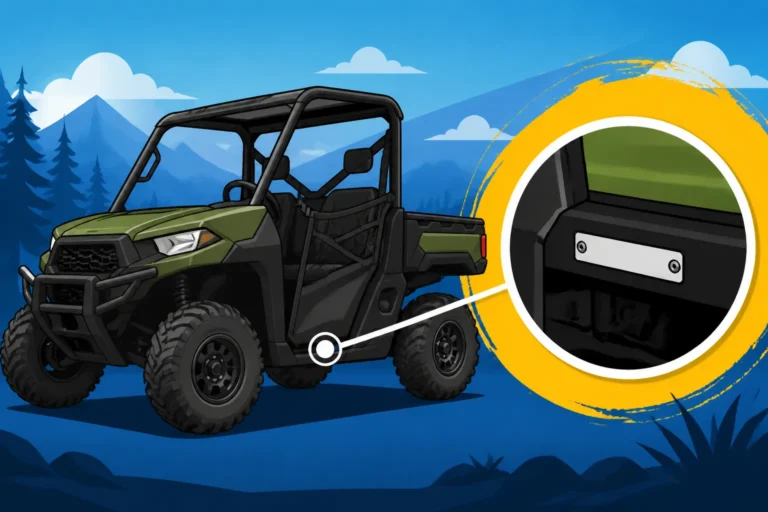
No matter where you find the machine, documentation is your absolute best friend. From the moment you discover the OHV, start recording everything. Take clear, dated photographs of the machine from multiple angles, noting its exact location, condition, and any identifying marks. Look for a Vehicle Identification Number (VIN) if possible, which is usually stamped on the frame or a plate. Make a note of the date and time you found it.
This meticulous record-keeping isn't just about covering your backside; it's about building a solid case if you eventually need to pursue legal ownership or if law enforcement gets involved. Every detail can be crucial down the line. Without proper documentation, you might struggle to prove when and where you found the machine, making any subsequent claims or reports less credible. Think of it as creating an undeniable timeline for the discovery of the OHV.
Your First Moves After Discovering an Unclaimed Machine
So, you've found an OHV, you understand the nuances of what "abandoned" might mean, and you're ready to take the first, most crucial steps. These initial actions are all about safety, compliance, and setting the stage for a legitimate resolution.
Safety First: Assessing the Scene
Your immediate priority should be safety. Is the machine in a dangerous spot? Is it leaking fluids that could harm the environment or create a fire hazard? Is it blocking access or causing a nuisance? If the OHV appears to be involved in an accident or is in a precarious position, your first call might not even be to law enforcement right away, but to emergency services if there's an immediate danger to life or property. However, for most abandoned machines, the safety assessment is more about ensuring it's not going to cause further problems while it sits there.
For instance, if the ATV is sitting on your private access road, you might need to carefully move it a few feet to allow passage, but avoid moving it any further than absolutely necessary. Document this minor movement, too. Don't attempt any repairs or try to start it. You don't know its history, and tampering could create more problems or even injure you. Your goal here is to observe, document, and stabilize the situation, not to become an impromptu mechanic or salvage operator.
Immediate Contact with Law Enforcement
This is, without a doubt, the most critical first step: contact your local law enforcement agency – usually the county sheriff's office or city police department. Do NOT delay this step. Reporting the abandoned OHV immediately serves several vital purposes. First, it creates an official record of your discovery, proving you're not attempting to conceal anything. Second, and most importantly, they can run the VIN (if you found one) to see if the machine has been reported stolen. [Checking a Used Quad for a Theft Report] is a step anyone considering taking ownership should perform. If it's stolen, you're doing a service to the rightful owner and avoiding legal trouble yourself.
Be prepared to provide all the details you've already documented: location, date found, description of the machine, and any visible VIN. The officer might come out to inspect it, tag it, or simply take a report over the phone. Follow their instructions precisely. They might advise you on a waiting period or how to proceed if no owner is found. Remember, using a machine that turns out to be stolen, even if you found it, can lead to serious legal consequences, including felony charges depending on its value. Think of this step as your protective shield against future misunderstandings.
Searching for Clues and Potential Owners
While law enforcement is doing their part, you can also engage in some good-faith efforts to locate the owner. This demonstrates due diligence on your end, which can be beneficial if you later pursue ownership. Carefully inspect the machine for any identifying information beyond the VIN. Are there any unique stickers, club decals, or personalized accessories? Sometimes people leave registration cards or other paperwork in a storage compartment. Be cautious when looking through compartments – you don't want to disturb potential evidence if it turns out to be part of a crime, so ensure law enforcement has given you the green light to search.
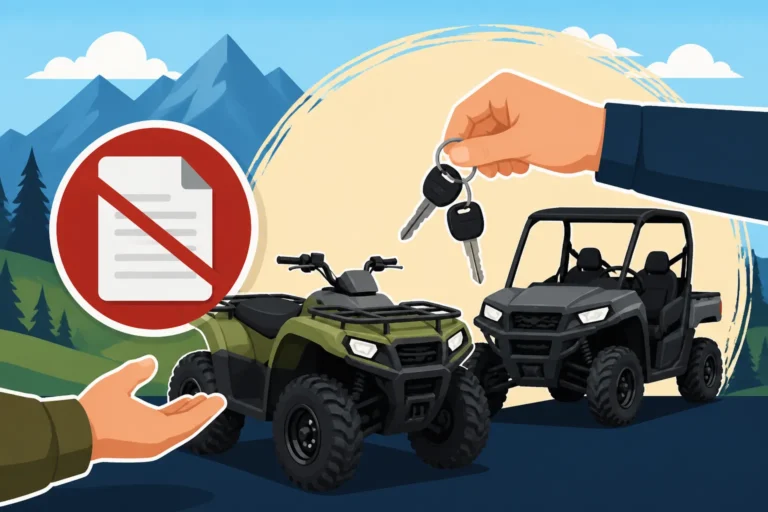
You might also consider placing a "found" notice in a local community group online or a newspaper, describing the machine generally (without giving away the VIN or too many unique details to prevent false claims) and asking anyone who lost a similar machine to contact you with specific identifying information. Always require claimants to provide proof of ownership, like a title, registration, or bill of sale, to verify their identity. [Proof of Ownership for a Montana Title] is essential before you even think about handing over the keys. This diligent effort to find the owner can significantly strengthen your position if you eventually have to pursue legal means to claim the OHV.
Navigating the Legal Path to Claim an Abandoned OHV in Montana
So, you've done your due diligence: you've reported the machine to law enforcement, and no owner has come forward after a reasonable search. Now you're wondering, "Can I actually claim this thing?" Montana has specific, albeit sometimes complex, processes for dealing with abandoned property, and OHVs fall under these rules.
The Formal Reporting and Waiting Period
After your initial report to law enforcement, there's typically a waiting period mandated by Montana law. This period allows sufficient time for the rightful owner to come forward and claim their property. The exact length can vary depending on local ordinances and state statutes regarding abandoned vehicles, but it's usually at least 30 days, and sometimes longer. During this time, the machine is often "tagged" by law enforcement, indicating it's been reported as abandoned. Moving or tampering with it during this period without explicit permission from the authorities can create legal problems.
It's critical to keep a record of all communications with law enforcement during this waiting period, including officer names, report numbers, and dates. This paper trail will be invaluable if you move forward with a claim. Law enforcement will usually advise you on the next steps if the owner does not appear. They might even arrange for its impoundment if it's on public land or causing a significant nuisance. Your role is to remain compliant and patient, letting the official process unfold.
Understanding Montana's Abandoned Property Statutes
Montana has statutes that govern how abandoned property, including vehicles and OHVs, can be handled. For a private landowner, if the legal owner cannot be found or contacted after the prescribed waiting period and due notice, you may have the right to claim the property. This process usually involves sending certified letters to the last known owner (if identified through the VIN check) and potentially publishing notices in a local newspaper. Companies like LawDepot can provide templates for official notices or affidavits that might be required during this process, ensuring you use legally sound language. This is crucial for proving you made every reasonable attempt to notify the owner.
The exact steps often involve petitioning the county treasurer or district court for a decision on ownership. This isn't a simple "finders keepers" situation. You'll need to demonstrate your efforts to locate the owner and your compliance with all legal requirements. If the machine's value is below a certain threshold, the process might be simpler, but for most ATVs and UTVs, it's a formal legal procedure designed to protect everyone's rights. Failing to follow these statutes precisely can invalidate your claim and potentially lead to charges if you take possession without legal right.
The Bonded Title Process as a Last Resort
If, after exhausting all avenues—law enforcement checks, diligent searches, formal notices, and waiting periods—you still cannot find the rightful owner, and law enforcement determines they won't pursue it further, you might be able to pursue a bonded title. This is often the path for vehicles where the legal ownership chain is broken or impossible to determine. A bonded title is essentially a title backed by a surety bond, which protects previous owners (or the state) if they eventually come forward to claim the vehicle. [Bonded Title for an ATV in Montana] is a complex topic itself.
The process for obtaining a bonded title in Montana typically involves:
- Application: Submitting an application to the Montana Motor Vehicle Division (MVD) or county treasurer.
- Investigation: The MVD may conduct its own investigation to ensure no owner can be found.
- Surety Bond: Purchasing a surety bond, usually for 1.5 to 2 times the value of the OHV. This bond protects any previous owner who might claim the vehicle within a certain period (e.g., three years).
- Inspection: The machine might need to be inspected by a law enforcement officer to verify the VIN and ensure it matches records (or lack thereof). [Fixing a Wrong VIN on a Montana Title] can be a huge headache, so verifying the VIN is key.
- Titling: Once the MVD approves, you can then apply for a new title and registration in your name. [Titling an ATV at a Montana County Treasurer] is a crucial step to formalize your ownership.
The cost of the surety bond can be significant, and the entire process takes time and effort. It's not a quick fix, but it's often the only legitimate way to gain legal ownership of an abandoned OHV when the original owner cannot be found. This process ensures that you have clear, legal title, protecting you from future claims and allowing you to [Registering an OHV in Montana] legally.
Critical Considerations for Legal Protection and Future Use
Even after you've jumped through all the hoops and potentially secured legal ownership of an abandoned OHV, your journey isn't over. There are still critical considerations to keep in mind to protect yourself legally and ensure your new (to you) machine is road and trail-ready.
Avoiding Accusations of Theft or Misappropriation
The biggest concern throughout this entire process is to avoid any appearance of theft or misappropriation. Every action you take, from the moment you discover the machine to the final titling, must be transparent and legally sound. This means diligently reporting to law enforcement, making good-faith efforts to find the owner, and following all state and local laws. Simply taking possession of an OHV, moving it, or using it without official authorization could lead to severe legal penalties. The fact that you "found" it doesn't automatically grant you ownership.
For example, if you decide to use the ATV before you have a clear title, and the original owner suddenly appears, they could report the machine stolen, and you would be in a very difficult position. Even if you argue you thought it was abandoned, a court might view your actions as taking property without permission. This is why involving law enforcement from day one and documenting every step is so vital. It’s your best defense against such accusations. Remember, the goal is not just to acquire an OHV, but to acquire it legally and without lingering legal shadows.
The Costs and Responsibilities of Legal Ownership
While the idea of a "free" ATV might be tempting, acquiring an abandoned machine through legal channels is rarely without cost. You'll likely incur fees for:
- Reporting and Notices: Any fees associated with official reports, public notices, or certified mail.
- Bonded Title: The cost of the surety bond, which can be a few hundred dollars or more, depending on the value of the OHV.
- Inspections: Potential fees for law enforcement inspections.
- Titling and Registration: Standard fees for [Montana OHV Title Fee] and [Registering an OHV in Montana] once you finally obtain legal ownership.
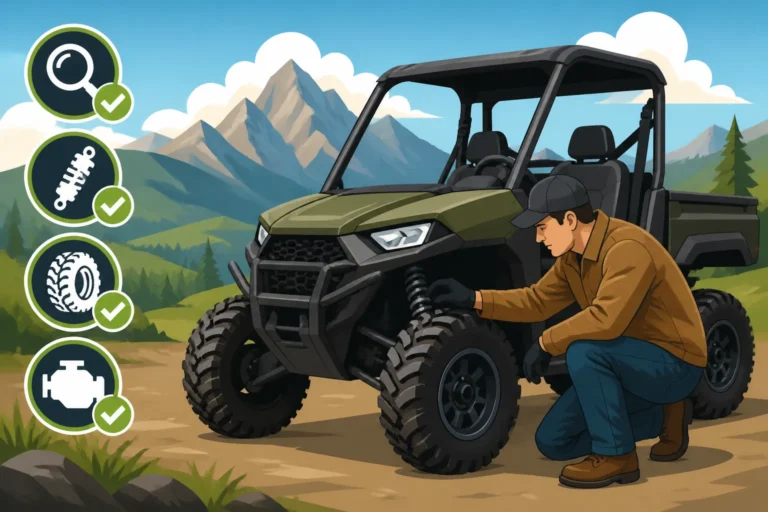
- Maintenance and Repairs: An abandoned machine is often in disrepair. You'll likely need to invest in maintenance, new tires, engine work, or other repairs to get it trail-worthy.
| Step | Typical Action | Potential Costs & Duration | Legal Requirement |
|---|---|---|---|
| Discovery & Documentation | Take photos, note VIN, date, location. | Minimal (time, supplies) | Crucial for proof |
| Report to Law Enforcement | Contact Sheriff/Police; provide details. | None (except time) | Mandatory; checks for stolen status |
| Owner Search & Waiting Period | Post notices, certified letters (if owner identified). Wait period (30+ days). | Postage, potential ad fees (if used), LawDepot forms. | Demonstrates due diligence |
| Petition for Ownership/Bonded Title | Apply to MVD/Treasurer, acquire surety bond. | Bond premium (1.5-2x machine value), application fees. Months. | Legalizes transfer of ownership |
| Title & Registration | Once approved, apply for new title and plates. | [Montana OHV Title Fee], registration fees. | Allows legal operation on trails/roads |
| Maintenance/Repairs | Get machine running safely. | Highly variable (parts, labor) | Ensures safe, compliant operation |
Beyond the financial costs, you also take on the responsibilities that come with owning an OHV. This includes ensuring it's properly registered, maintained, and operated safely and legally. [Penalties for an Unregistered OHV in Montana] can be steep, so don't skip this step once you have the title. You'll also be responsible for proper storage, potential insurance costs (especially if you plan to ride on roads or specific trails where it's required), and adherence to all riding regulations. It's a significant commitment, not just a free ride.
Preparing for a Legally Sound Registration and Titling
Once you've successfully navigated the complexities of claiming an abandoned OHV and have a new title in your name, the final step is to ensure it's properly registered in Montana. This involves taking your new title and proof of identity to your local county treasurer's office. They will process your registration and provide you with the necessary decals. [Montana County Treasurer OHV Registration] is a standard process once you have valid proof of ownership.
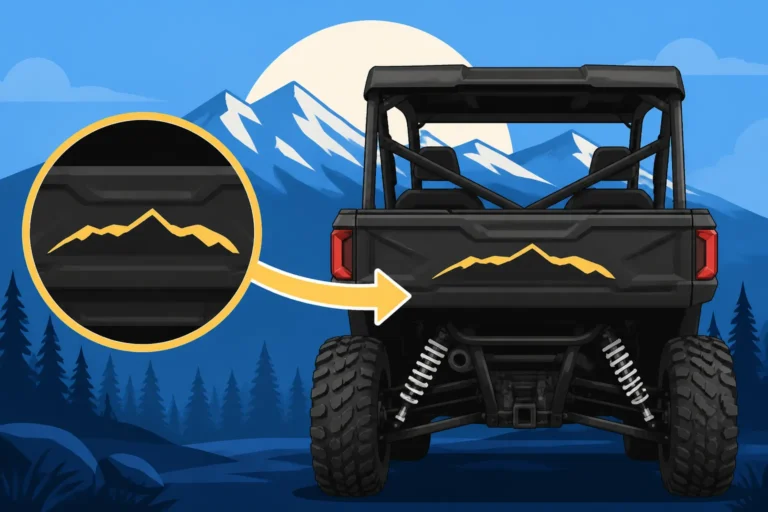
Make sure you understand the nuances of Montana's OHV registration, including whether you need a permanent registration or an annual one, and where to place your decals. [Where a Montana OHV Decal Goes] and [Montana OHV Decals and Rear Placement] are common questions. Using resources like LawDepot can help you generate any necessary forms, such as a bill of sale, if you decide to sell the machine after legally obtaining it. Without proper titling and registration, even a legally claimed machine is essentially unusable on public lands or trails in Montana, subjecting you to [Fines for an Unregistered Machine in Montana] and other legal headaches. By following these final steps, you ensure your newly acquired OHV is fully legitimate and ready for your Montana adventures.
Disclaimer
This article is for general informational purposes only and does not constitute professional advice. Laws, prices and regulations vary by location and change over time. Consult a qualified professional for guidance on your specific situation.