Montana Trailer Plate Cost
Trying to figure out the exact cost of a trailer plate in Montana can feel like navigating a maze, especially when you're just eager to get your ATV or side-by-side out to the trails. Many folks assume it's a simple, flat fee, only to discover there are nuances depending on the type of trailer, its weight, and even how long you plan to keep it. This guide will help demystify the Montana trailer registration process, breaking down the costs you can expect and what you need to know before you head to the county treasurer's office.
Understanding Montana Trailer Registration: What Drives the Cost?
When it comes to registering a trailer in Montana, many people, especially those new to the state or those who've only dealt with passenger vehicle registrations, are surprised by the variety of factors that can influence the final cost. It's not always a one-size-fits-all situation, and understanding these elements beforehand can save you a good deal of frustration and time. You don't want to show up at the county treasurer's office only to find out you've forgotten a crucial detail or didn't budget for a particular fee.
Different Types of Trailers, Different Rules
Montana distinguishes between various types of trailers, and these distinctions can certainly affect the registration fees and requirements. For instance, the small utility trailer you use to haul brush to the dump might have different considerations than the heavy-duty toy hauler carrying your two side-by-sides. Even specialized trailers, like those designed for boats or even some types of travel trailers, might fall under slightly different categories in the eyes of the law. The key is to know which classification your trailer falls into so you can anticipate the process. Generally, if it's got wheels and you're pulling it on public roads, it needs to be registered.
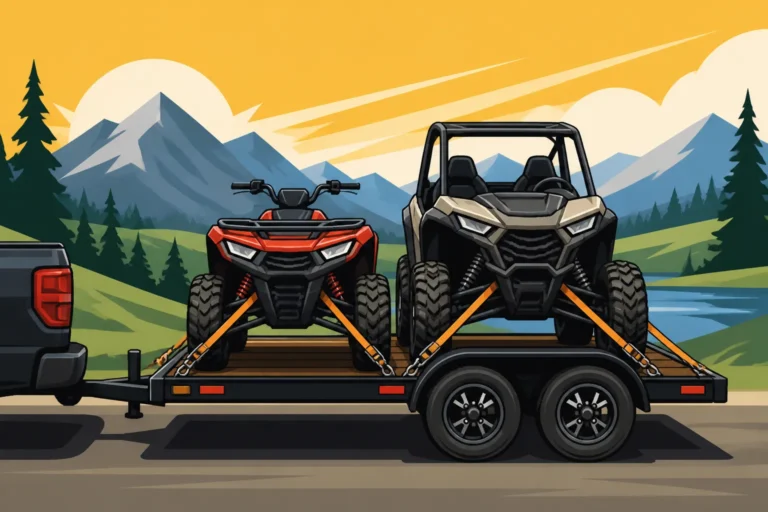
For many OHV enthusiasts, the focus is on trailers built to transport their quads and UTVs. These can range from simple single-axle open utility trailers to enclosed cargo trailers or even flatbed trailers built to carry multiple machines. While the state's goal is to ensure all road-bound trailers are accounted for, the specific design and intended use can sometimes lead to different fee structures or documentation needs. It's always best to be clear about your trailer's primary purpose when you're discussing registration with the county clerk.
The Weight Factor in Registration Fees
One of the most significant factors influencing your Montana trailer plate cost is the trailer's weight. Unlike some vehicle registrations that might be a flat fee, trailer fees often operate on a tiered system based on the gross vehicle weight (GVW) or declared weight. This means a lightweight single-axle trailer might have a lower registration fee than a large tandem-axle trailer designed to carry several thousands of pounds. This makes perfect sense when you think about it: heavier trailers can cause more wear and tear on roads and potentially pose greater risks if not properly maintained and registered.
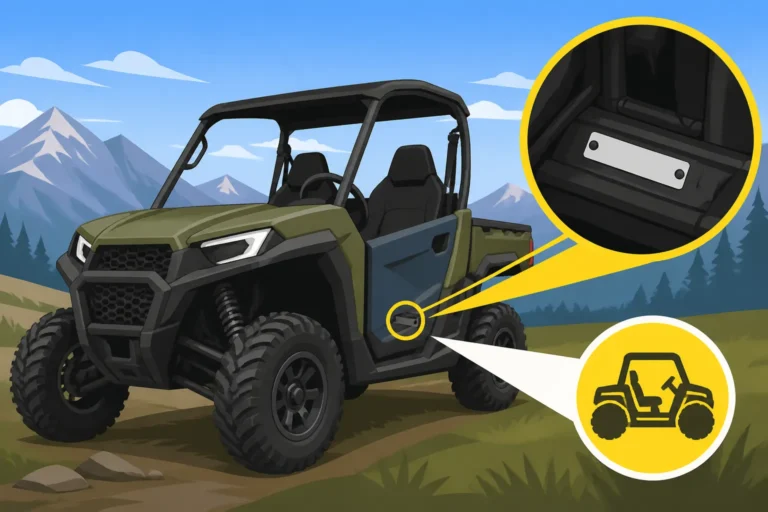
It's absolutely critical to know your trailer's weight capacity. This information is typically found on a VIN plate or sticker somewhere on the trailer frame. If you're unsure, you might need to consult the manufacturer's specifications or even weigh the empty trailer at a truck stop scale. Don't guess, because providing incorrect weight information could lead to issues down the road. The county treasurer's office will use this weight classification to determine the appropriate fees, so having that accurate number handy will make the process much smoother. [Trailer Registration for Hauling ATVs in Montana] covers more about these specifics.
Permanent vs. Annual: Choosing Your Path
Montana offers an interesting option for many types of trailers: permanent registration. This is a one-time fee that covers your trailer for as long as you own it, eliminating the need for annual renewals. For many residents, especially those who plan to keep their trailers for a long time, this can be a very appealing option, offering peace of mind and fewer administrative headaches. Imagine never having to think about renewing that trailer plate again!
However, permanent registration isn't always the cheapest option upfront. It typically involves a higher initial payment compared to a single year's annual registration. You'll need to weigh the long-term savings against the immediate cost. If you're someone who trades up trailers frequently, an annual registration might make more sense for your specific situation. On the other hand, if you've found your perfect ATV hauling setup and expect to keep it for years, permanent registration could be a wise investment. The county treasurer's office will be able to provide the current figures for both options so you can make an informed decision for your budget.
Navigating the Registration Process: Where and How to Pay
Once you have a handle on the types of fees and options, the next step is to actually get that plate in hand. The process itself is fairly straightforward in Montana, but like any bureaucratic task, it requires specific documents and knowing where to go. Missing a piece of paper or showing up at the wrong office can quickly turn a simple errand into a time-consuming ordeal, which is the last thing you want when you're itching to hit the trails.
Essential Documents for Your County Treasurer Visit
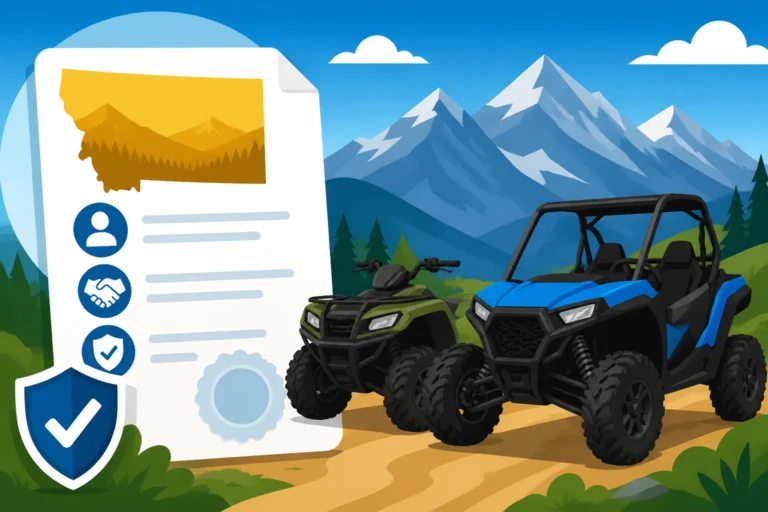
Before you even think about leaving your driveway, double-check that you have all the necessary paperwork. This is often where people get tripped up. Generally, you'll need proof of ownership, which typically means the manufacturer's certificate of origin (MCO) for a new trailer or a properly endorsed title if you bought it used. If you purchased the trailer from a private party, a clear, comprehensive bill of sale is absolutely crucial. A good bill of sale should include the buyer's and seller's names and addresses, the sale date, the purchase price, and a detailed description of the trailer, including its Vehicle Identification Number (VIN). [What a Montana Bill of Sale Should Say] dives deeper into what makes a bill of sale robust.
You'll also need identification for yourself, usually a valid driver's license. If you're trying to register a trailer that has never been titled in Montana or has a history that's a bit murky, you might need additional documentation or even a VIN inspection. For private sales, especially, ensuring you have a solid record of the transaction is vital. Resources like LawDepot can be incredibly helpful for generating legally sound bills of sale and other ownership documents, giving you peace of mind that you've covered all your bases before heading to the county office. Having everything in order makes the whole experience much less stressful. [Proof of Ownership for a Montana Title] also offers important details on this front.
The Steps to Getting Your Montana Trailer Plate
The actual registration usually takes place at your local County Treasurer's office. This is the same office where you'd handle things like [Titling an ATV at a Montana County Treasurer] or [Montana County Treasurer OHV Registration]. It's a good idea to check their specific hours and any potential appointment requirements before you go, especially in smaller counties where staffing might be limited. When you arrive, you'll present your documents, fill out the necessary application forms, and then pay the applicable fees.
The staff at the county treasurer's office are generally quite helpful and can walk you through the specifics. They'll verify your documents, input the trailer's information into the system, and process your payment. Once everything is complete, you'll typically receive your new registration card and the trailer plate on the spot. It's a pretty straightforward process, provided you have all your ducks in a row. Remember, accurate information is key, especially the VIN. Making sure the VIN on your documents matches the physical VIN on the trailer prevents a world of headaches.
Potential Additional Fees and How to Avoid Them
While the core registration fee is the main cost, there are a few other potential fees you might encounter. For example, if your trailer requires a new title because it's never been titled in Montana or because of a complex ownership transfer, there will be a separate title fee in addition to the registration cost. Sometimes, there might be small administrative fees for things like duplicate registrations or specialized forms. It’s also worth noting that if you’re purchasing from out of state, your home state might still levy a use tax, even if Montana doesn't have a sales tax. [Use Tax Your Home State Still Wants] clarifies this common point of confusion.
The best way to avoid unexpected costs is to be prepared. Call your county treasurer's office ahead of time to confirm current fees for your specific type of trailer and ask if there are any unique requirements for your situation. If you're buying used from a private seller, ensure all previous liens are released and the title is properly signed over. Using a platform like LawDepot to ensure your bill of sale explicitly states these details can prevent future complications. Proactively gathering all necessary [Documents to Bring to a County Treasurer] will ensure you only pay what's expected and avoid any last-minute surprises or delays.
Beyond the Basics: Important Considerations for Trailer Owners
Registering your trailer is a significant step, but it's not the end of the journey. There are several other important considerations that can impact your overall experience as a Montana trailer owner, especially if you're frequently buying, selling, or moving your machines around the state. Thinking about these aspects ahead of time can help you manage future costs and ensure you stay compliant with state regulations.
When to Transfer a Plate and Associated Costs
Unlike some vehicle registrations which can sometimes follow the owner for a short period, a trailer plate in Montana is tied to the specific trailer. This means if you sell your trailer, the registration doesn't automatically transfer to the new owner, and you can't typically transfer that plate to a new trailer you acquire. The new owner will need to go through their own registration process. [Why a Sold Machine Loses Its Registration] explains a similar concept for OHVs, and it largely applies to trailers as well.
If you purchase a used trailer, you'll need to initiate a transfer of ownership and get a new registration in your name. This involves presenting the properly endorsed title (or MCO for a new trailer) and a bill of sale to the county treasurer. There will be fees associated with the title transfer itself, in addition to the new registration fees. While Montana doesn't have a sales tax, these administrative fees are still necessary to legally record the change of ownership. Using reliable templates from a service like LawDepot for your bill of sale can clarify ownership details and streamline the transfer process for both parties, reducing potential hang-ups at the county office.
Out-of-State Trailers and Montana Registration
For those moving to Montana or buying a trailer from out of state, the process has a few extra steps. If you're a new resident bringing a trailer from another state, you'll generally need to register it in Montana within a certain timeframe after establishing residency. This usually involves presenting your out-of-state title and registration, along with proof of your new Montana residency, to the county treasurer. The trailer might also need a VIN inspection, especially if the out-of-state title doesn't clearly show the VIN or if there's any discrepancy.
If you're an out-of-state resident who plans to buy a trailer in Montana and take it home, remember that while Montana might not charge sales tax, your home state almost certainly will. You'll need to be prepared to pay that use tax when you register the trailer in your home state. [The Montana LLC and Why Out-of-State Buyers Use It] is a related topic often discussed for vehicles, and while less common for trailers alone, it highlights how out-of-state purchases can have different tax implications. Always understand your home state's requirements before assuming a Montana purchase completely exempts you from taxes.
Protecting Your Investment: Proper Documentation
Beyond the immediate registration, maintaining proper documentation for your trailer is an ongoing responsibility. Keep your registration certificate in a safe, accessible place, preferably within the towing vehicle or securely in the trailer itself. This way, if you're ever stopped or need to prove ownership, you have it readily available. It's also wise to keep copies of your bill of sale, title, and any lien release documents separate from the originals, perhaps digitally or in a home safe.
Should you ever lose your title or registration, replacing them will involve a small fee at the county treasurer's office. Having clear records makes this process much easier. If you're running a business or even just want extra protection for your assets, consider getting personalized legal documents. Services like LawDepot can help you draft a variety of legal forms tailored to your specific needs, ensuring all your assets, including your valuable ATV-hauling trailer, are properly documented and protected. This foresight can prevent significant headaches and potential legal battles down the road, making sure your adventures stay focused on the trails, not on paperwork.
| Trailer Type | General Cost Factor | Common Registration Options | Key Documentation Needed | Where to Register |
|---|---|---|---|---|
| Small Utility/OHV | Lower GVW/Flat Fee | Annual or Permanent | Title/MCO, Bill of Sale, ID | County Treasurer's Office |
| Medium Enclosed/Flatbed | Mid-range GVW | Annual or Permanent | Title/MCO, Bill of Sale, ID | County Treasurer's Office |
| Large Toy Hauler/Travel | Higher GVW | Annual or Permanent | Title/MCO, Bill of Sale, ID, sometimes VIN inspection | County Treasurer's Office |
| Homemade | Custom GVW | Annual or Permanent | Proof of components, pictures, VIN affidavit | County Treasurer's Office (with additional inspection/forms) |
| Boat Trailer | Lower to Mid GVW | Annual or Permanent | Title/MCO, Bill of Sale, ID | County Treasurer's Office |
Disclaimer
This article is for general informational purposes only and does not constitute professional advice. Laws, prices and regulations vary by location and change over time. Consult a qualified professional for guidance on your specific situation.