Brakes a Montana Road Ride Requires
Navigating the rules for riding your ATV or UTV on Montana's roads can feel like a real head-scratcher, especially when it comes to crucial safety components like brakes. Many folks just assume their off-road machine's stopping power is good enough for a quick run into town, only to find out there are specific requirements that could land them in trouble. This guide will meticulously break down what Montana law expects from your OHV's brake system when you're cruising on public roads, helping you understand the regulations, maintain your equipment, and ultimately, stay safe and legal.
The Baseline: What Montana Law Says About OHV Brakes
When you're talking about taking your ATV or UTV out of the dirt and onto a paved or gravel county road in Montana, the first thing to understand is that the rules tighten up a bit. While off-road, a certain amount of "good enough" might pass, the road demands more. Montana wants to ensure that every vehicle sharing its public thoroughfares can stop reliably and safely, and that absolutely includes your off-highway vehicle. It's not about making things difficult; it's about preventing accidents and protecting everyone on the road.
Basic Brake System Requirements
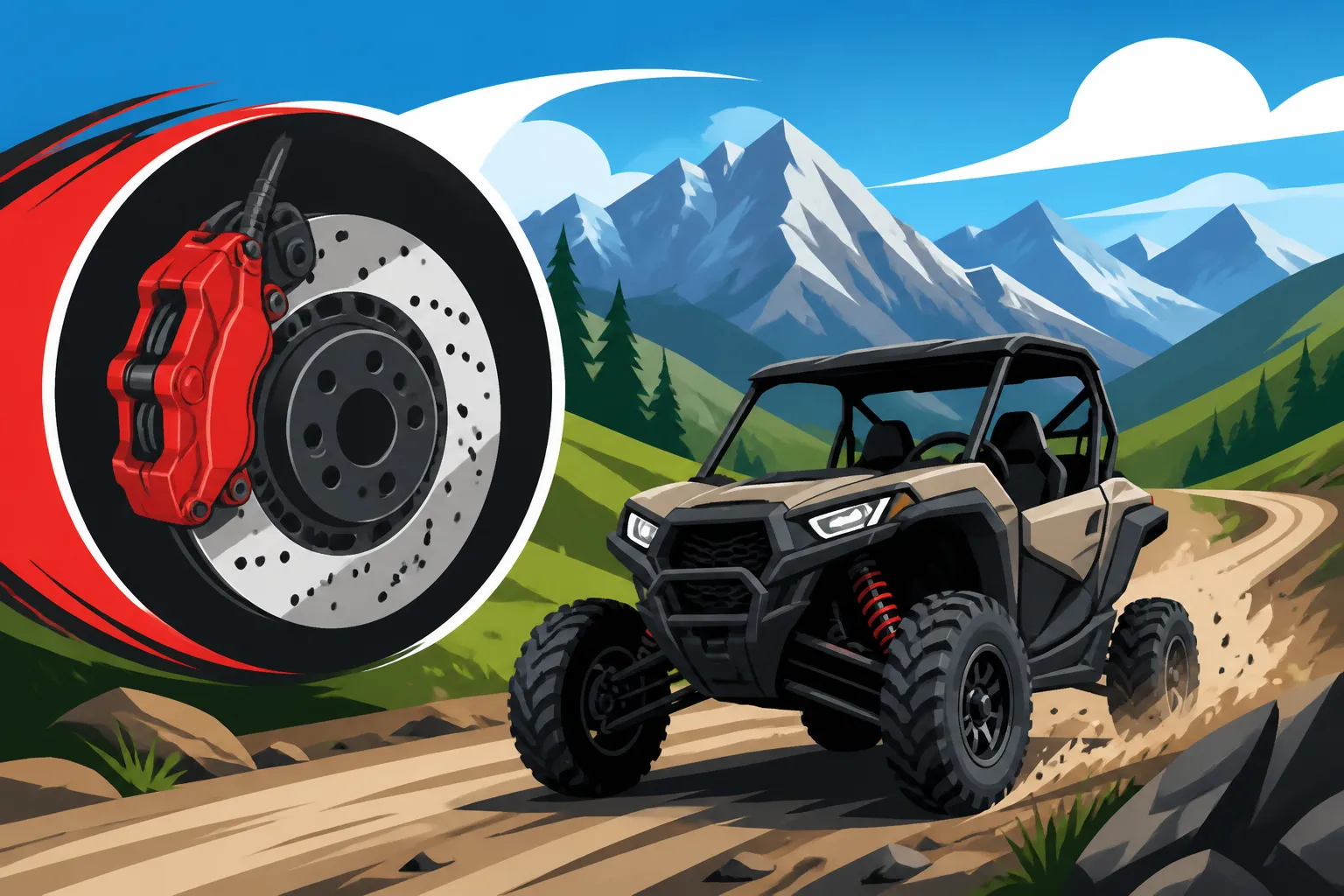
At its core, Montana law requires that your OHV be equipped with brakes that are in good working order and capable of controlling the movement of the vehicle. This means a brake system that can effectively slow down and stop your machine, even when fully loaded or traveling at the legal speed limit for the road you're on. For most ATVs and UTVs, this typically involves a hydraulic disc brake system on all four wheels, though some older models or certain ATVs might have drum brakes. The key is that they must function reliably and consistently. You shouldn't have to pump the brakes multiple times to get a response, and there should be no noticeable pull to one side when you apply them. A spongy pedal or lever, or brakes that feel weak, are immediate red flags that need attention before you consider any kind of road use.
Furthermore, the law implicitly expects that your brakes are designed for the vehicle's weight and power. If you’ve added heavy accessories, or if your UTV is often carrying a full load of passengers or gear, your brake system is working harder. Make sure your pads aren't worn thin and your rotors aren't grooved or warped, as these conditions severely diminish your stopping capability. Remember, what's sufficient for the trail might be barely adequate – or even unsafe – on a paved road where you're interacting with cars, trucks, and other road users.
Hand-Operated vs. Foot-Operated Brakes
Most ATVs traditionally feature a hand-operated lever for the front brakes and a foot pedal for the rear, sometimes with a combined system that uses both. UTVs almost universally come with a foot pedal that controls all four brakes, much like a car. Montana law doesn't explicitly differentiate between hand or foot operation when it comes to the type of control, but it does require that the brakes be easily accessible and operable by the driver. The critical takeaway is that whatever configuration your machine has, all wheels must contribute to the braking effort, and the system must be fully functional.
This distinction becomes more important from a driver familiarity and reaction time standpoint. If you're used to a foot pedal in your car, an ATV with separate hand and foot controls might require a different muscle memory that takes practice, especially in an emergency stop on a road. On the other hand, UTVs with their car-like controls often feel more natural to those accustomed to driving automobiles. Regardless of the control type, ensure that your braking technique is solid and that you can make smooth, controlled stops without skidding, particularly on varied road surfaces like gravel or wet asphalt. Practicing these emergency stops in a safe, open area, well off any public road, is a great idea before taking your machine to shared roads.
Converting for the Road: Upgrading Your Brakes for Street Legal Use
While many modern ATVs and UTVs come with quite capable brake systems right from the factory, the transition to road use often highlights areas where improvements or extra attention are beneficial. It’s not always about a major overhaul, but rather ensuring every component is up to the task of regular road interactions, which often involve higher speeds, quicker reaction times, and more sustained braking than typical trail riding. Thinking ahead about your brake setup can save you headaches, and potentially more serious problems, down the road.
Ensuring All Wheels Have Working Brakes
A common misunderstanding with some older ATVs or even a few utility-focused UTVs is that only the rear or front brakes are truly doing the heavy lifting. However, for safe road use, Montana expects that your machine's brake system provides effective stopping power to all wheels. This means checking that each brake caliper is clamping down properly, each brake pad has adequate material, and there are no air bubbles in your hydraulic lines compromising the system. It's a fundamental safety principle: the more contact points you have generating friction, the faster and more controlled your stop will be.
If you have an older ATV, especially one that might have come with only rear brakes or a less robust front system, it's absolutely paramount to upgrade to a full, four-wheel braking system if you plan any road use. Even if the law isn't hyper-specific about "four-wheel brakes," the general requirement for effective stopping power on roads almost certainly implies it. Think about the added weight of passengers or gear, or the need to make a sudden stop to avoid a deer crossing a county road; you'll want every ounce of stopping power your machine can provide. This proactive approach ensures you're not just meeting the letter of the law, but truly enhancing your safety margin.
Parking Brakes and Holding Power
A functional parking brake is another often-overlooked component that becomes crucial for road-legal use. When you pull over on a slight incline to check a map, stop for lunch in a trail town, or park at a scenic overlook, you need to know your machine isn't going to roll away. Montana law generally requires vehicles to have a parking brake capable of holding the vehicle stationary on any grade on which it is operated. For many ATVs, this is a small lever or knob that locks the rear brake, while most UTVs have a dedicated lever or pedal that engages a separate parking brake mechanism.
Make sure your parking brake engages firmly and holds without slipping. If your parking brake cable is stretched, or the mechanism is rusted and sticky, it's not going to do its job. Consider this an essential safety feature, not just a convenience. Imagine parking on a busy street in [Red Lodge] or [West Yellowstone] and your machine rolling into traffic—it's a nightmare scenario. Regular inspection and adjustment of your parking brake system will prevent such incidents and ensure you can confidently leave your machine unattended when necessary.
Brake Maintenance: Keeping Your System Road-Ready and Safe
Just like any other vehicle, the brakes on your Montana ATV or UTV require regular attention and maintenance to ensure they perform reliably, especially when you're taking them on the road. Neglecting your brakes isn't just a safety hazard; it can also lead to costly repairs down the line and potentially a ticket if an enforcement officer notices a glaring issue. A bit of preventative care goes a long way in keeping you, your passengers, and others on the road safe.
Routine Checks and Fluid Levels
Before every ride, and certainly before any planned road use, a quick visual inspection of your brake system is a must. Check for obvious signs of wear or damage: are your brake lines intact, with no cracks, leaks, or chafing? Are your calipers looking secure? Look at your brake pads – can you still see plenty of friction material, or are they worn down to the metal backing plate? Worn pads will not only perform poorly but can also damage your rotors, leading to a much more expensive repair. Many riders swear by keeping a keen eye on these components, especially if they ride frequently in muddy or gritty conditions that can accelerate wear.
For hydraulic brake systems, checking the fluid level in the master cylinder reservoir is just as critical. The fluid should be between the "min" and "max" lines, and its color should be relatively clear, not dark or murky. Brake fluid degrades over time, absorbing moisture, which can lead to a "spongy" feel and reduced braking performance, especially under heavy use. Most manufacturers recommend flushing and replacing brake fluid periodically, often every one to two years. This simple maintenance step ensures your braking system remains responsive and efficient, which is vital whether you're descending a steep forest road or stopping at a traffic light in [Bozeman].
Recognizing When to Replace Components
Knowing when to replace specific brake components is key to maintaining a safe and effective system. Beyond simply checking fluid levels and pad wear, you need to listen and feel for warning signs. A squealing noise when you brake often indicates worn pads. A grinding noise means your pads are likely gone, and metal is rubbing on metal, which is rapidly damaging your rotors. If your brake lever or pedal feels "soft" or goes almost to the bar/floor before engaging, you might have air in the lines, a fluid leak, or extremely worn pads.
Rotors can also wear down or become warped over time, especially if subjected to extreme heat and cooling cycles from aggressive riding. A warped rotor will often cause a pulsation or vibration when you apply the brakes. If you notice any of these symptoms, don't delay. Replacing worn pads, damaged rotors, or compromised brake lines promptly will not only restore your stopping power but also prevent more severe damage to the entire system. Investing in quality replacement parts, perhaps from brands like SuperATV, known for their robust aftermarket components, can often provide enhanced durability and performance over standard factory parts, giving you extra confidence on the road.
Aftermarket Brake Upgrades for Enhanced Performance
For those who frequently ride on roads or demand superior stopping power from their machines, considering aftermarket brake upgrades can be a game-changer. While factory brakes are designed to meet minimum safety standards, they might not always offer the performance needed for aggressive riding, heavy loads, or simply for peace of mind when sharing the road with larger vehicles. Upgrades can include everything from performance brake pads and braided stainless steel brake lines to larger rotors and multi-piston calipers.
Performance brake pads, for instance, are designed with different friction compounds that can offer better initial bite, improved fade resistance, and longer life compared to OEM pads. Stainless steel brake lines, which replace the standard rubber lines, prevent expansion under pressure, delivering a firmer, more consistent brake feel. And if you're really looking to boost your stopping power, larger rotors or upgraded calipers from a reputable manufacturer like SuperATV can significantly increase your brake's effectiveness, especially on heavier UTVs. These upgrades aren't just for racing; they're a smart investment for anyone serious about safety and performance on Montana's diverse road network, whether you're navigating steep mountain passes or cruising through flat prairie towns.
Consequences of Insufficient Brakes on Montana Roads
Riding your ATV or UTV on Montana roads requires adherence to certain safety standards, and your brake system is at the top of that list. Ignoring brake issues or failing to meet the legal requirements isn't just irresponsible; it carries tangible risks and legal penalties. Law enforcement in Montana, whether it's the county sheriff or a game warden, takes vehicle safety seriously, particularly when it involves mixing off-highway vehicles with standard traffic.
Fines and Penalties for Non-Compliance
Operating an ATV or UTV on public roads in Montana with insufficient or non-functional brakes can result in more than just a stern warning. You could face a citation for operating an unsafe vehicle, and if the brakes are severely compromised, an officer might even deem your machine unsafe to operate, requiring it to be trailered off the road. The exact fines can vary depending on the severity of the offense and the specific jurisdiction, but they are certainly an unwelcome hit to your wallet. You might also find yourself with additional penalties if the brake issue contributed to another violation, such as an accident.
Beyond monetary fines, repeated safety violations could impact your ability to legally ride on Montana's roads or even other public lands. It's a clear message from the state: safety equipment, especially brakes, isn't optional. It's far cheaper and less stressful to properly maintain your brake system and ensure it meets legal requirements than to deal with the consequences of a ticket or, worse, an accident due to brake failure. Always remember that [Montana Penalties for Illegal Road Riding] can be steep, and a brake violation is definitely on that list.
Safety Risks and Accident Liability
The most critical consequence of insufficient brakes, by far, is the inherent safety risk. When your brakes are compromised, your ability to react to sudden hazards – a child running into the road, an unexpected stop by the car in front, or an animal darting out – is severely diminished. This can lead to collisions that result in serious injuries, or even fatalities, for you, your passengers, or other road users. The consequences of such an event extend far beyond a simple fine.
If you are involved in an accident while riding on a public road and your ATV or UTV is found to have inadequate or faulty brakes, your liability could be significantly increased. Your insurance company might deny coverage, leaving you personally responsible for property damage, medical bills, and potential legal fees. This is why ensuring your machine is in top mechanical condition, particularly its braking system, is not just a legal obligation but a moral one. Having proper [Montana Liability Insurance for Riders] is important, but that coverage can be complicated if you were operating an unsafe vehicle. It's about protecting yourself and others on the road, and that starts with having reliable stopping power.
Practical Considerations: Before You Hit a Montana County Road
Riding your ATV or UTV on Montana's public roads, whether it's a quick trip to the general store or a scenic tour between trailheads, requires a responsible mindset. Beyond just understanding the letter of the law, it means adopting good habits and being prepared for the realities of road travel. A little foresight and preparation can make all the difference in having a safe and enjoyable experience.
Pre-Ride Brake Checks
Making a pre-ride brake check a routine part of your preparation is one of the easiest and most effective ways to ensure safety. Before you even turn the key, give your brake levers and pedals a squeeze. Do they feel firm and responsive? Does the travel feel consistent? Look at the brake fluid reservoirs for proper levels and color. Visually inspect the brake lines for any leaks or damage, and quickly glance at your brake pads to ensure they have plenty of material left. Take a moment to check your parking brake; does it engage and hold firmly?
Once you've started your machine and are moving slowly in a safe, unpopulated area (like your driveway or a private staging area), gently apply the brakes. Do they engage smoothly and evenly? Does the machine pull to one side? Do you hear any unusual noises, like grinding or squealing? If anything feels off, now is the time to investigate and address it, not when you're merging onto a busy road or navigating traffic. This simple habit, taking just a minute or two, can prevent a lot of potential headaches and keep you safe.
Riding Conditions and Brake Performance
Montana roads present a variety of challenges that can significantly impact brake performance. Gravel roads, common throughout rural Montana, reduce tire traction, meaning your brakes might lock up more easily, leading to a skid. Wet or muddy conditions, whether on pavement or gravel, demand a much earlier and gentler application of brakes to avoid losing control. Descending steep grades, especially with a heavy load or a passenger, places immense stress on your brake system, requiring constant, controlled application to prevent overheating and brake fade.
Consider the route you plan to take. Are there sharp corners? Is the road crowned? Will you be sharing the road with large trucks or tourist vehicles? All these factors influence how you should approach braking. Always anticipate potential hazards, maintain a safe following distance, and adjust your speed and braking technique to match the conditions. Remember, your OHV, even a UTV, likely has a higher center of gravity and different braking dynamics than a passenger car. Being mindful of these differences, combined with a well-maintained brake system, will allow you to confidently tackle [Riding an OHV on the Road in Montana] and ensure you arrive at your destination safely.
| Brake Issue | Common Symptoms | Probable Cause(s) | Action to Take |
|---|---|---|---|
| Spongy/Soft Pedal | Pedal/lever travels far before engaging | Air in lines, low fluid, worn pads, contaminated fluid | Bleed brakes, add fluid, replace pads, flush system |
| Grinding Noise | Loud, harsh sound when braking | Severely worn pads (metal-on-metal), debris | Replace pads & inspect rotors, clean system |
| Squealing Noise | High-pitched sound when braking | Worn pads, glazed pads, dirty rotors, vibrations | Inspect/replace pads, clean rotors, use anti-squeal compound |
| Vibration/Pulsation | Steering wheel/pedal vibrates when braking | Warped rotors, worn wheel bearings | Inspect/replace rotors, check wheel bearings |
| Machine Pulls | Pulls to one side when braking | Unevenly worn pads, stuck caliper, air in one line | Inspect calipers & pads, bleed system, replace lines if needed |
| Fading Brakes | Brakes lose effectiveness during heavy use | Overheated fluid, worn pads, undersized system | Upgrade to performance pads/fluid, larger rotors if frequent |
| Parking Brake Fails | Machine rolls when parking brake applied | Stretched cable, worn mechanism, improper adjustment | Inspect/adjust cable, replace worn parking brake components |
What to Carry for Peace of Mind
Beyond excellent brakes, there are a few other items you should always have with you when riding on Montana's roads. Your [Driver's License Rules for Montana Road Riding] are strict, so ensure you have that and your registration. For young riders, knowing the [Montana Helmet Rules for Riders Under 18] is paramount. And for all riders, having your machine's documentation handy, including proof of insurance, is a must. These small preparations contribute significantly to both your safety and your peace of mind while exploring our beautiful state.
Riding your ATV or UTV on Montana's public roads offers incredible access to breathtaking scenery and charming trail towns. By taking the time to understand and adhere to the brake requirements, performing routine maintenance, and making smart choices about upgrades, you'll be well-prepared for any adventure. Remember, safety always comes first, and a reliable brake system is your best friend on any road.
Disclaimer
This article is for general informational purposes only and does not constitute professional advice. Laws, prices and regulations vary by location and change over time. Consult a qualified professional for guidance on your specific situation.