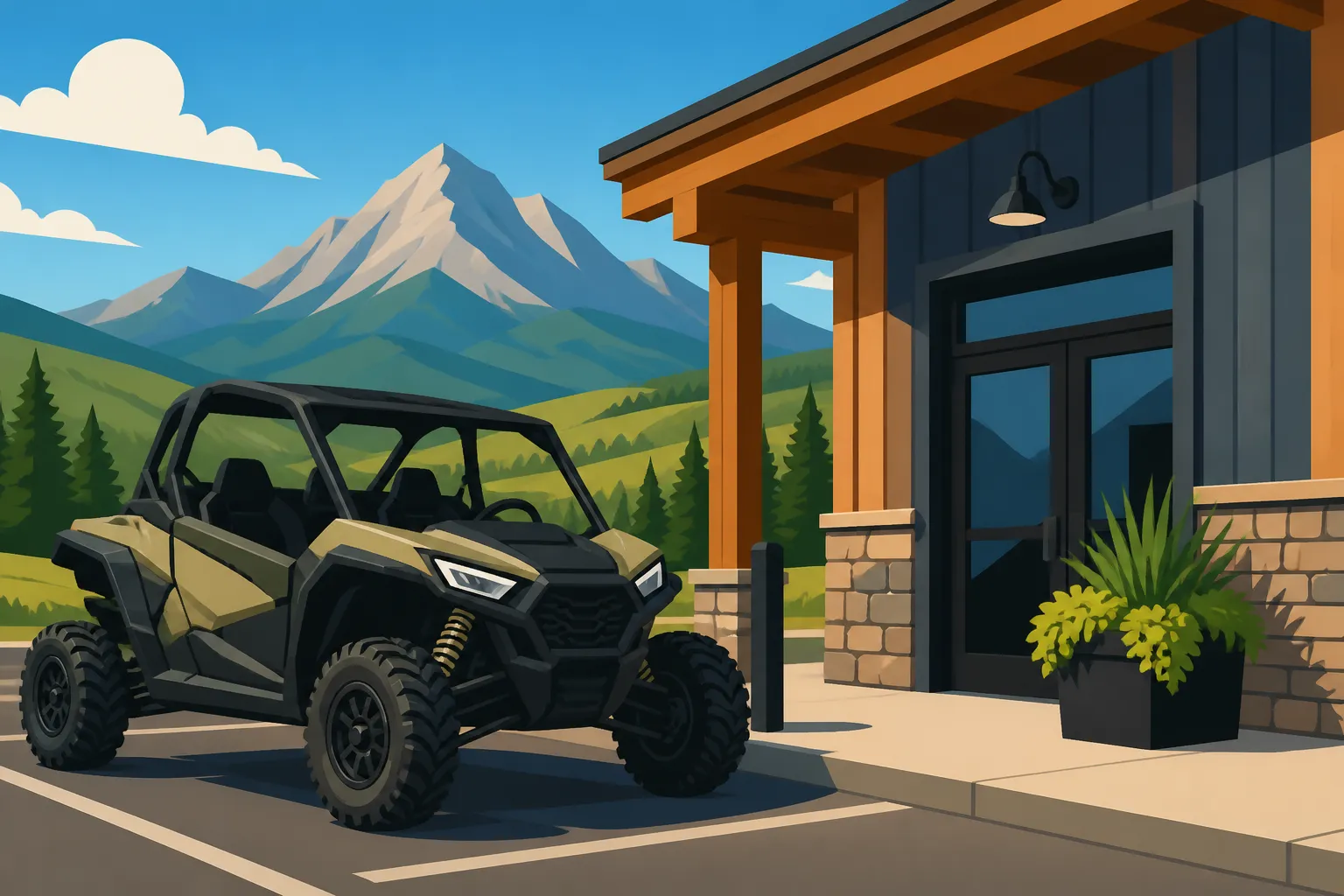
Parking an OHV Outside a Montana Store
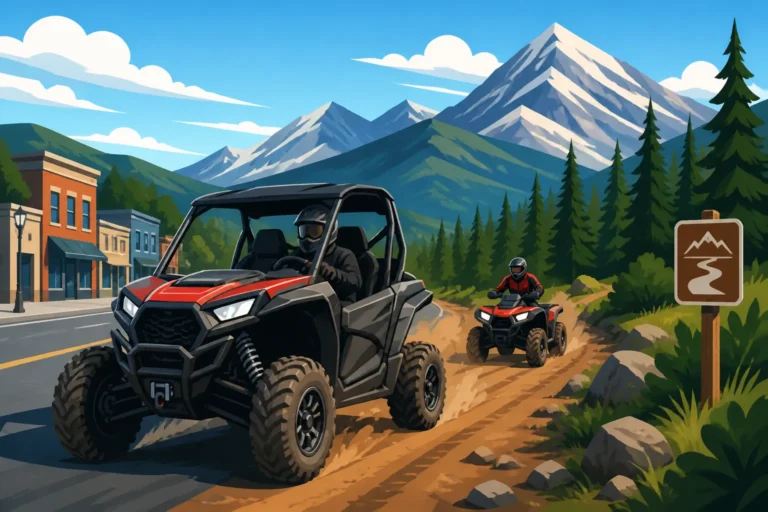
It's happened to all of us: you're out enjoying a fantastic ride on your ATV or UTV through Montana's stunning backcountry, and suddenly, the urge for a cold drink, a hot meal, or maybe just some fuel hits you. You pull into a charming little trail town, eager to stretch your legs, but then the crucial question pops up: where in the world do you park this machine? It's not always as straightforward as pulling into a car spot, and you definitely don't want a ticket or, worse, to be towed. This guide will walk you through the ins and outs of legally and safely parking your off-highway vehicle (OHV) outside a Montana store, so your pit stop is a pleasure, not a problem.
Understanding Montana's OHV Road Rules Before You Park
Before you even think about parking, you absolutely must understand the rules for actually riding your ATV or UTV on Montana's roads. It's easy to assume that if you can ride into a town, you can park anywhere, but getting to that parking spot legally is the first hurdle. Montana's approach to OHV road use isn't a blanket rule; it's a patchwork quilt of county commissions and city councils deciding what's allowed within their specific jurisdictions.
Local Ordinances and County Roads
One of the biggest misconceptions riders have is that if a county road is open to OHVs, then all the towns within that county automatically follow suit. That's simply not the case. Many Montana towns maintain their own municipal ordinances regarding OHV access on their streets. What might be perfectly legal on a gravel county road outside of town might be strictly prohibited once you cross the "Welcome to [Town Name]" sign.
For instance, you might be cruising down a gorgeous forest service road or a county thoroughfare in, say, Park County, where OHVs are generally welcomed. But then you pull into Gardiner, aiming for a quick bite near the Yellowstone entrance, and find that their town streets have different rules. Some towns have fully embraced OHV tourism and have specific routes or even certain streets designated for OHV use. Others are much more restrictive. Always do your homework before you head into a settlement. A quick search for "OHV ordinance [Town Name] Montana" can save you a lot of grief. You'll find more details on this in [Montana Towns That Allow OHVs on Their Streets] and [Montana City Streets and Municipal Ordinances]. It’s a bit of a hassle, but it's far better than facing a citation from a local sheriff or police officer who's just doing their job.
Equipment Requirements for Road Use
Even if a town or county permits OHVs on its roads, your machine needs to be properly equipped to be considered street-legal for that specific segment of your journey. This isn't just a suggestion; it's a legal requirement that can lead to fines if ignored. Generally, Montana law dictates a specific set of equipment for OHVs operating on public roads:
- Headlights and Taillights: These must be operational and on at all times, even during daylight hours.
- Brakes: Your OHV needs functional brakes.
- Horn: A working horn is necessary to signal other drivers.
- Mirrors: At least one rearview mirror is often required, allowing you to see traffic approaching from behind. Many riders choose to add side mirrors for better visibility, and companies like SuperATV offer a range of durable, wide-view mirrors that can greatly enhance safety on the road.
- Muffler and Spark Arrester: Your machine must have an adequate muffler to prevent excessive noise and a spark arrester to prevent wildfires. Noise ordinances are a big deal in small towns, and loud machines can quickly draw unwanted attention. [Muffler and Exhaust Noise Limits in Montana]
- License Plate/Decal: Your current Montana OHV registration decal must be properly displayed.
If your machine lacks any of these required items, you're not just risking a ticket for illegal parking; you're risking a ticket for illegal operation on the roadway in the first place. You can dive deeper into these specifics with [What Montana Requires on an OHV Road Ride] and [Headlight and Taillight Rules in Montana] and even [Montana Horn Requirements for Road Use]. It's about being a responsible rider and ensuring your machine meets the minimum safety and legal standards for sharing the road with other vehicles.
Finding a Legal Parking Spot for Your OHV
Once you've confirmed your OHV is legally allowed on the local streets and is properly equipped, the next challenge is finding a spot to park it. This can be surprisingly tricky, especially in bustling trail towns during peak season. You can't just leave it anywhere, and what's acceptable for a car might not be for your side-by-side.
Designated OHV Parking vs. Standard Parking
Some forward-thinking Montana towns, particularly those that actively promote OHV tourism, have recognized the need for dedicated OHV parking. You might see signs explicitly marking "OHV Parking" or "ATV/UTV Parking." These are your best bet. They're often located conveniently near popular businesses, trailheads, or main streets, and using them shows you're respecting local efforts to accommodate riders.
However, dedicated OHV parking is still the exception, not the rule. More often than not, you'll be looking at standard street parking or public lots. In these scenarios, you're generally expected to park your OHV as you would a car or truck, fitting within marked spaces and obeying all posted signage. This means:
- Parking within painted lines: Don't let your tires creep over the white lines into the next spot.
- No blocking fire hydrants, crosswalks, or driveways: These are universal parking rules that apply to OHVs just as much as cars.
- Respecting time limits: If a spot has a 2-hour limit, adhere to it. These are often enforced strictly in busy areas.
A good rule of thumb is, if you wouldn't park your pickup truck there, don't park your OHV there. When in doubt, look for signs or ask a local business owner or town official.
Parallel Parking and Size Considerations
Parking a side-by-side can be a whole different ballgame compared to parallel parking a sedan, especially a longer four-seater or even a six-person UTV. These machines, while incredibly capable on the trail, can be surprisingly wide and long, making tight street parking a real challenge.
Imagine trying to squeeze your Polaris RZR XP 4 1000 into a compact parallel parking spot on a busy street in a town like Red Lodge or West Yellowstone. It requires precision. You'll need to be acutely aware of your machine's dimensions and how much space it truly occupies. Often, it's safer and more courteous to find two consecutive spots if available and park perpendicular if the street layout allows and it doesn't impede traffic. If you're running a wider rig, perhaps with aftermarket flares or wider tires (components sometimes sourced from companies like SuperATV, known for enhancing machine capability), this becomes even more critical.
The goal is to fit entirely within the designated space, without jutting out into traffic lanes or blocking adjacent parking spots. Parking lots are generally easier, but even there, ensure you're not hogging multiple spaces or causing a nuisance. Be mindful of how much room you're leaving for other vehicles to maneuver. A little extra consideration goes a long way in keeping local businesses and residents happy with OHV visitors.
Avoiding Commercial Zones and Private Lots
This is where a lot of riders inadvertently run into trouble. You pull up to a general store, see a seemingly empty parking lot, and assume it's fair game. However, many businesses, especially smaller ones with limited parking, have private lots designated solely for their customers. Parking your large OHV in such a lot, particularly if you're not patronizing that specific business, can lead to towing or angry calls to the local sheriff.
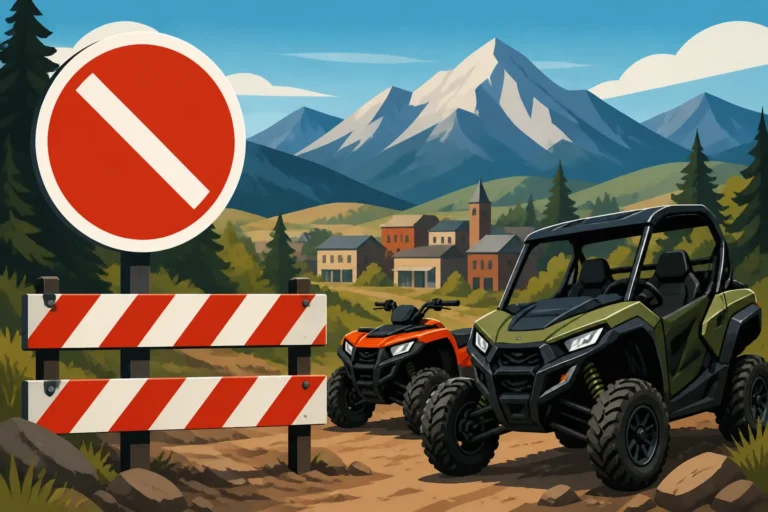
Furthermore, avoid any areas clearly marked as "No Parking," "Loading Zone," "Employee Parking," or "Tow Away Zone." These signs are there for a reason, often related to deliveries, emergency access, or maintaining clear pathways for pedestrians. Parking in a loading zone, even "just for a minute" while you run into the convenience store, can quickly result in a ticket or your machine being hauled away, which is a headache nobody wants. Always seek out public parking options first, or politely ask a business owner if it's okay to temporarily park in their lot while you visit their establishment.
Security and Safety While Parked
Parking your OHV isn't just about legality; it's also about protecting your valuable investment. Montana's trail towns are generally welcoming, but like anywhere, opportunistic theft or vandalism can occur. Taking a few simple precautions can save you a lot of heartache and expense.
Securing Your Machine
An OHV parked on a public street or in a lot can be an attractive target. While you're enjoying your huckleberry ice cream, it's wise to take a few moments to secure your machine:
- Remove the Key: This might seem obvious, but in the rush to get into the store, it's easy to forget. Never leave your keys in the ignition or even hidden somewhere on the machine.
- Lock the Steering: Many modern OHVs have a steering lock feature. Engage it whenever you step away.
- Use a Cable Lock or Chain: For added security, especially if you're leaving your machine for an extended period, consider running a heavy-duty cable lock through a wheel or around a sturdy part of the frame and to an immovable object if possible (like a light pole, if permitted, or your trailer).
- Take Valuables with You: Don't leave wallets, phones, GPS units, or other tempting electronics in plain sight. Lock them in a compartment if your machine has one, or better yet, take them with you. Even items like helmets or expensive riding gear can be snatched if left unattended.
- Consider an Alarm or GPS Tracker: For those with higher-end machines, an alarm system or a discreetly installed GPS tracker can provide an extra layer of protection and peace of mind.
Remember, the goal is to make your machine less appealing and harder to steal than the next one. A few seconds of effort can prevent hours of frustration later.
Visibility and Preventing Damage
Where you park can also impact the safety of your machine from accidental damage. Try to choose a spot that offers good visibility, both for you (when you return) and for other drivers.
- Avoid Blind Corners: Parking too close to a blind intersection or corner can make it hard for other vehicles to see your OHV, especially if it's smaller than a typical car.
- Keep Away from High-Traffic Maneuvering Areas: Don't park where delivery trucks or large RVs are likely to be backing up or making tight turns. The last thing you want is a scraped fender from a distracted driver.
- No Blocking Sidewalks or Storefronts: Even if it's a legal parking spot, don't position your OHV in a way that creates an obstruction for pedestrians or blocks access to a business's entrance or display windows. This is just good etiquette and helps maintain a positive image for OHV riders in these communities.
Taking these steps not only protects your machine but also contributes to a safe and harmonious environment for everyone in the town.
Common Mistakes and What to Expect
Even with the best intentions, it's easy to make mistakes, especially when you're excited to be off the trails and exploring a new Montana town. Knowing the common pitfalls can help you avoid unnecessary trouble.
The "Just for a Minute" Trap
This is perhaps the most common mistake: thinking that a quick stop won't matter. "I'll just run in for a soda, it'll only take a minute." That "minute" is often all it takes for a parking enforcement officer to write a ticket or, in more serious cases, for a tow truck to be called. Parking violations are often levied quickly, especially in busy tourist areas where turnover is important, or where illegal parking causes a significant obstruction.
Whether it's parking in a "No Parking" zone, overstaying a time limit, or blocking a fire lane, the consequences can be swift and costly. Always allocate enough time to find a legitimate parking spot, even if it means walking a bit further to the store. The few extra minutes you spend finding proper parking are a small price to pay compared to the cost of a fine, or the huge inconvenience of dealing with a towed machine.
Local Enforcement and Fines
Montana's local law enforcement agencies, including city police departments and county sheriff's offices, are responsible for enforcing parking regulations. They take their job seriously, particularly when it comes to keeping streets clear and safe. What might seem like a minor infraction to you could be a significant headache for local traffic flow or emergency services.
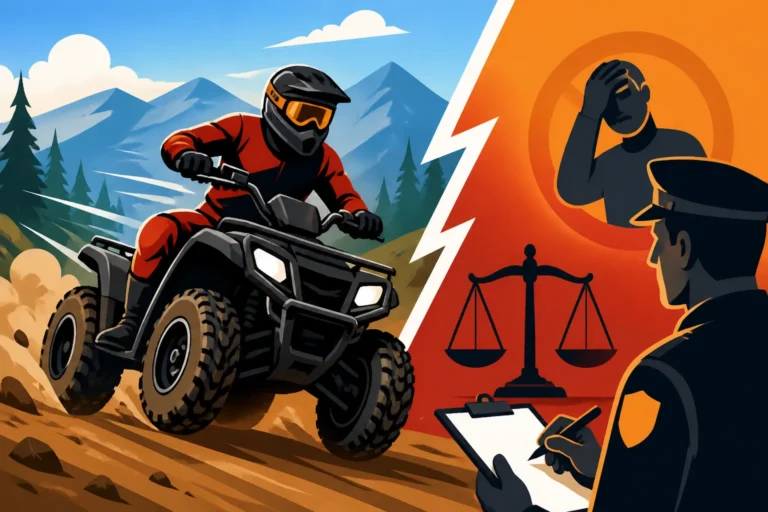
Fines for parking violations can vary widely depending on the specific ordinance and the severity of the infraction. They can range from a relatively minor ticket for an expired meter to a much heftier sum for parking in a tow-away zone, not to mention the cost of retrieving your machine from the impound lot. And remember, if your OHV wasn't even legally allowed on the road in the first place due to lack of proper equipment or being in a restricted area, you could face additional moving violations on top of the parking ticket. For more details on potential penalties, check out [Montana Fines for Illegal Road Riding]. It’s also crucial to remember that operating an OHV under the influence of alcohol, even just pulling into a parking spot, carries severe penalties similar to those for cars, as highlighted in [Montana Alcohol Limits for OHV Operators].
Parking Scenarios and Consequences
To help visualize the difference between smart and risky parking choices, here's a quick comparison:
| Scenario | Parking Choice | Immediate Consequence | Potential Long-Term Impact |
|---|---|---|---|
| Quick Stop for Supplies | Designated OHV Parking Spot | None, hassle-free | Positive perception of OHV riders, easy access to town. |
| Grabbing Lunch on Main Street | Standard Car Spot, within lines | None, if street-legal and within time limits | Smooth visit, contributes to local economy. |
| "Just a Minute" for Coffee | No Parking Zone/Fire Lane | Parking ticket, potential tow (costly & inconvenient) | Negative perception, lost time, financial hit. |
| Parking a Wide Side-by-Side | Blocking Two Standard Spots | Ticket for improper parking, angry locals | Community frustration, potential for stricter OHV rules. |
| Leaving Machine Unattended | No Security Measures | None immediately, but high risk of theft/vandalism | Significant financial loss, end of your riding trip. |
| Unregistered Machine on Road | Any Parking Spot | Ticket for unregistered vehicle, possible impound | Legal trouble, inability to ride, large fines. |
| Entering Restricted Town Area | Any Parking Spot | Ticket for illegal road use, potential impound/tow | Major inconvenience, damage to OHV-friendly efforts. |
Ultimately, being a responsible OHV rider means doing your due diligence, respecting local rules, and thinking ahead about where you'll stop and park. Montana's communities are generally very welcoming to outdoor enthusiasts, and by following the rules, we can ensure that welcome mat stays out for years to come. Enjoy your ride and your well-earned stops!
Disclaimer
This article is for general informational purposes only and does not constitute professional advice. Laws, prices and regulations vary by location and change over time. Consult a qualified professional for guidance on your specific situation.