Montana Headlight Rules After Dark
It's happened to all of us: you're having an amazing day out on the trails, the sun is starting to dip behind the peaks, and suddenly you realize you're nowhere near camp or the truck. Montana's vast landscapes are breathtaking at sunset, but as darkness falls, safety becomes your number one priority. This guide is here to untangle the specific headlight rules and best practices for riding your ATV or UTV after dark in Montana, ensuring you stay safe and legal on those incredible big sky nights.
Understanding Montana's General Headlight Requirements for OHVs
When you're out exploring Montana's incredible backcountry, whether it's on a designated trail or just crossing a field on private land, understanding the basic lighting requirements for your Off-Highway Vehicle (OHV) after dark is absolutely essential. It's not just about avoiding a citation; it's fundamentally about your safety and the safety of everyone else around you.
Why Lights Are Crucial Beyond Just the Law
Let's be real for a moment. Even if you're on your own property and technically don't have to meet public land requirements, a good set of headlights is non-negotiable once the sun goes down. Imagine trying to navigate a familiar trail in pitch black – that washboard section you know so well could become a wheel-breaking hazard, or that deer trail you usually avoid could send you tumbling. Without proper illumination, you're not just risking a ticket; you're risking an accident that could ruin your trip, or worse. The subtle dips, rocks, roots, and unexpected ruts that are easy to spot in daylight become invisible traps. Wildlife, especially deer and elk, are often most active at dusk and dawn, and a strong headlight beam can give you those precious extra seconds to react. Good lighting ensures you can see potential obstacles, react to changes in terrain, and, critically, be seen by other riders, hunters, or even landowners who might be sharing the same space. It's a fundamental aspect of responsible riding, especially in a state like Montana where conditions can change rapidly and help might be a long way off.
Specific Headlight Standards and Placement
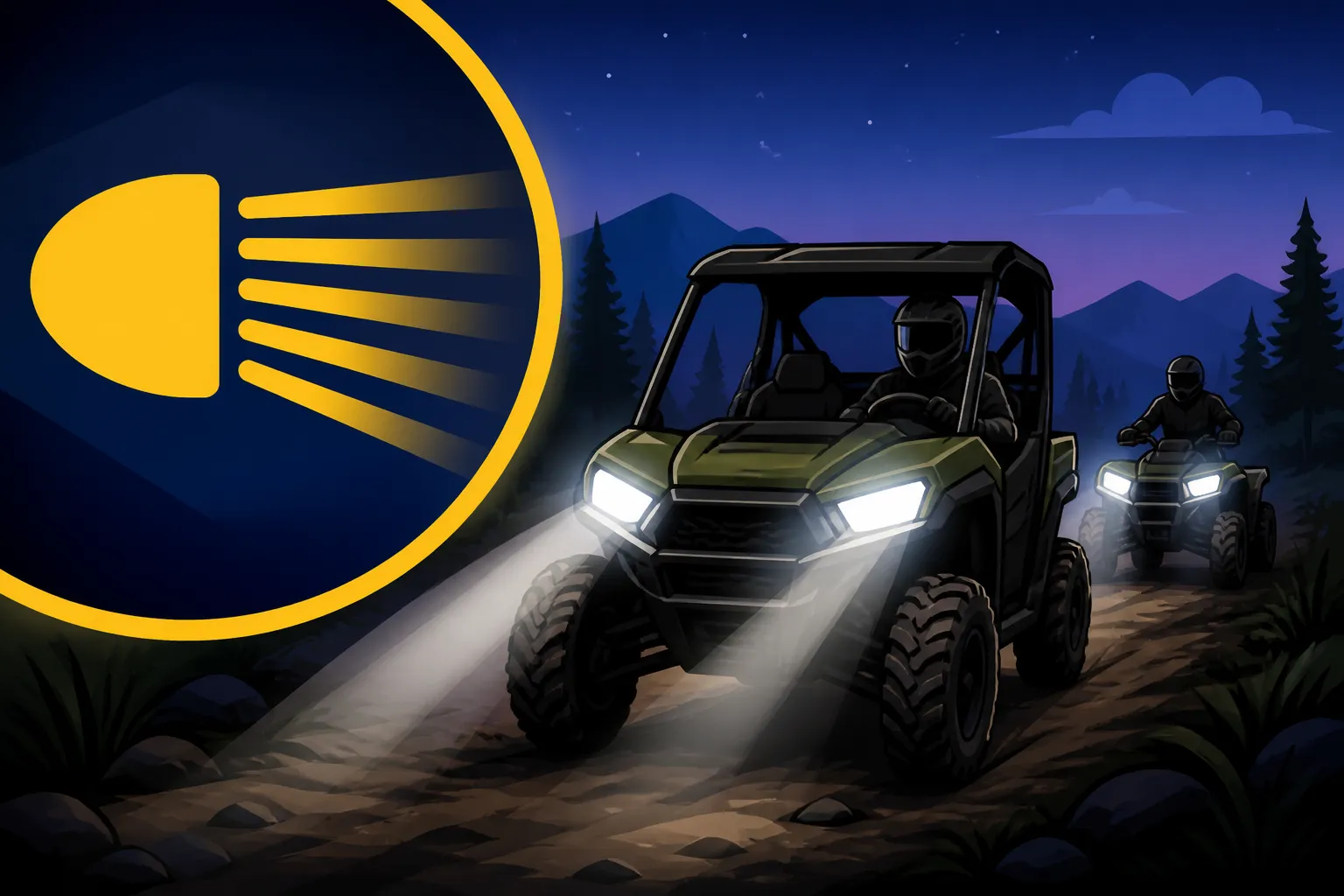
Montana law has some pretty clear directives for OHV lighting, especially when you're operating on public lands or roads where OHVs are permitted. Generally, any OHV operated between sunset and sunrise, or at any time when visibility is low (like in heavy fog or falling snow), must be equipped with at least one headlight that emits a white light visible from a distance of 500 feet to the front. This isn't just a suggestion; it's a legal requirement. For many stock ATVs and UTVs, the factory-installed headlights meet this basic criterion. However, it's worth checking to make sure your lights are fully functional, clean, and properly aimed. An old, dim bulb or a mud-caked lens isn't going to cut it. Beyond the headlight, you'll also need a red taillight visible from at least 200 feet to the rear, and a red reflector visible from 300 feet. The placement of these lights is key. Your headlight should be mounted to the front of the machine, typically in the manufacturer's designated spots, and your taillight should be at the rear. These basic requirements are the foundation for safe and legal night riding on most public trails and forest roads. If you're ever in doubt, giving your local Montana Fish, Wildlife & Parks office a call can clear things up specific to your riding area.
Navigating Road-Legal Headlight Requirements for Street Use
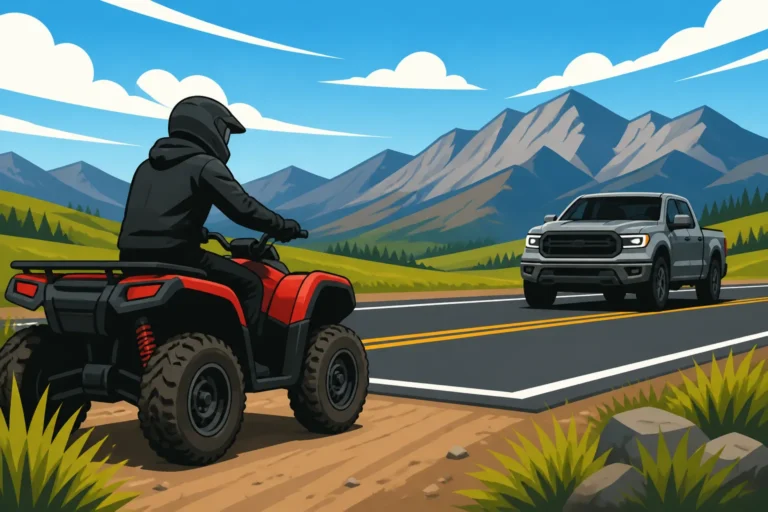
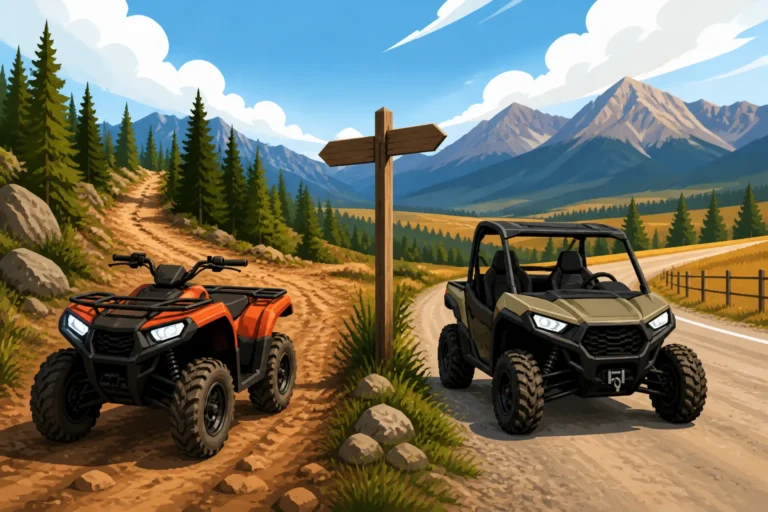
Montana is unique in its approach to OHV access on county roads, with many counties allowing OHVs on their routes, often linking trails or providing access to small towns. But here's the kicker: when you venture onto these public roads, your lighting requirements ramp up significantly beyond what's needed for just trail riding after dark. You're no longer just a trail machine; you're sharing the road with cars and trucks, and your lighting needs to reflect that.
When Your OHV Needs to Mimic a Car's Lighting
If you're planning on using your ATV or UTV on a county road, an officially designated OHV route, or within a town that allows street-legal OHV access, you'll need more than just a single white headlight. The Montana statutes for street-legal operation generally require your OHV to have lighting that is comparable to a motorcycle or other motor vehicle. This typically means you'll need a headlight system that includes both a high beam and a low beam setting, much like a car. The idea is to provide adequate illumination for you to see clearly at road speeds without blinding oncoming traffic. The law mandates that you must have at least one headlight, but often two are standard, that meets specific standards for brightness and beam pattern, ensuring proper road visibility.
Beyond headlights, road-legal operation after dark requires a full suite of lighting: working taillights, brake lights that illuminate when the brakes are applied, and turn signals for indicating direction changes. Some jurisdictions might even require side marker lights or other reflective elements. It's truly about making your OHV as visible and predictable as possible to other road users, regardless of the time of day. Because the rules can vary from county to county or even within a municipality, it’s always a good idea to check the local ordinances, as some [Montana City Streets and Municipal Ordinances] might have specific provisions you need to be aware of. Having your lights on at all times, even during daylight hours, is also a smart habit to adopt when riding on roads, as recommended in [Lights On at All Times in Montana].
Upgrading for Enhanced Night Riding and Compliance
Many stock OHV lighting systems are perfectly adequate for trail riding but might fall short of the demands for higher-speed road use after dark. This is where aftermarket upgrades really shine. Companies like SuperATV offer a fantastic range of lighting solutions designed specifically for ATVs and UTVs, from powerful LED light bars to DOT-compliant headlights that integrate high and low beams. For serious night trail riders, an auxiliary LED light bar can dramatically increase your field of vision, turning night into near-day and making those tricky technical sections much safer. These extra lights can be especially useful when you need to spot wildlife off to the side of the trail or navigate a tight, winding path.
When it comes to road compliance, look for aftermarket headlight units that are clearly marked as DOT (Department of Transportation) compliant. These units are designed to meet specific photometric standards for beam pattern and intensity, ensuring they illuminate the road effectively without creating glare for other drivers. Upgrading your taillights to brighter LED versions and adding aftermarket turn signals if your machine doesn't have them are also crucial steps for road safety after dark. While a basic factory headlight might get you by on a forest service road, if you're going to be spending any time on county roads, investing in a robust, road-legal lighting package is a smart move. Remember, proper [Headlight and Taillight Rules in Montana] are there for your safety and the safety of others.
Practical Tips for Riding Your OHV After Sunset in Montana
Riding after dark, especially in Montana's wide-open spaces, offers a completely different experience than daytime riding. The air feels different, the sounds are amplified, and the sense of adventure is heightened. But with that unique experience comes a need for heightened awareness and preparedness, starting with your lighting and extending to your overall riding strategy.
Beyond Headlights: Other Essential Night Riding Gear
While your primary headlights are undoubtedly the most important piece of equipment for night riding, they're far from the only thing you should consider. A well-equipped night rider thinks about 360-degree visibility. Your red taillight, visible from 200 feet, is just as crucial as your headlight, especially for group rides or when crossing a road. Make sure your brake lights are working perfectly; they're a critical communication tool with anyone behind you.
Reflectors are often overlooked but incredibly important. Many machines come with factory reflectors, but adding extra reflective tape to the sides and rear of your machine can significantly increase your visibility to other vehicles or riders, particularly from angles your main lights don't cover. Consider a lighted whip flag, especially if you're riding in an area with varied terrain or other vehicles. These flags, often seen at dunes, provide an extra point of light high above your machine, making you visible over hills or through dusty conditions.
Don't forget personal lighting! A good quality headlamp worn on your helmet can be invaluable. It allows you to look around corners, check your speedometer, read a map, or inspect your machine without having to turn your whole ATV or UTV. When you're stopped, it frees up your hands for any tasks, like packing out gear or making a trailside repair. For those riding on [Montana Rules on Forest Service Roads] or other public lands, remember that [Reflectors Montana Road Riding Calls For] are part of the legal requirements, ensuring you're seen from all angles.
Common Mistakes and How to Avoid Them
Even experienced riders can make mistakes when venturing out after dark. One of the most common pitfalls is simply underestimating how quickly the light fades and how much more challenging night riding can be. What seemed like an easy trail by day can become a maze of shadows and indistinct obstacles at night. Always plan your route, know your turnaround points, and monitor the time carefully if you want to avoid being caught out unexpectedly. If you're riding a county road, remember that [Riding a County Road After Dark in Montana] comes with increased responsibility and stricter lighting rules.
Another mistake is relying solely on your stock headlights for all situations. If you're doing a lot of night riding, especially on technical trails or faster road sections, an upgrade from SuperATV or similar high-quality auxiliary lighting is almost a necessity. Not only do they provide better illumination, but they also give you a backup in case a primary light fails. Failing to properly maintain your lighting system is also a significant error. Before every night ride, do a quick check: Are all your bulbs working? Are your lenses clean and free of mud or snow? Is your battery charged enough to power your lights for the duration of your ride? Riding with inadequate lighting can not only be dangerous but can also lead to citations and [Montana Fines for Illegal Road Riding]. It's better to be overly prepared than underprepared when it comes to night riding in Big Sky Country. Always ensure your [One Headlight and One Taillight] are shining bright.
| Lighting Component | Minimum Trail Requirement (Public Land) | Typical County Road Requirement (Where Permitted) | Safety Best Practice (All Riding) |
|---|---|---|---|
| Headlights | 1 white light, visible 500 ft front | 1-2 white lights, high/low beam, DOT compliant (similar to motorcycle) | Bright LED, wide beam, auxiliary light bar, properly aimed |
| Taillights | 1 red light, visible 200 ft rear | 1-2 red lights, working brake light, visible 200 ft rear | Bright LED, integrated brake light, extra reflective tape |
| Brake Lights | Not explicitly required for all trail use, but often integrated with taillight | Required, must activate with brake application | Always functional, highly visible |
| Turn Signals | Not required | Required for indicating turns | LED, clearly visible front and rear |
| Reflectors | 1 red reflector, visible 300 ft rear | Required (rear/sides), visible 300 ft rear | Additional reflective tape on all sides |
| Auxiliary Lighting | Not required | Not required, but can supplement DOT-compliant lights (must be aimed to not blind others) | Essential for enhanced visibility on trails, and as backup for road riding |
| Personal Lighting | Not required | Not required | Headlamp/flashlight for hands-free tasks, repairs, map reading |
| Whip Flags | Not required | Not required | Lighted whip flags for increased visibility in dusty conditions or varied terrain |
Disclaimer
This article is for general informational purposes only and does not constitute professional advice. Laws, prices and regulations vary by location and change over time. Consult a qualified professional for guidance on your specific situation.