Helmets for Adults Not Required to Wear One
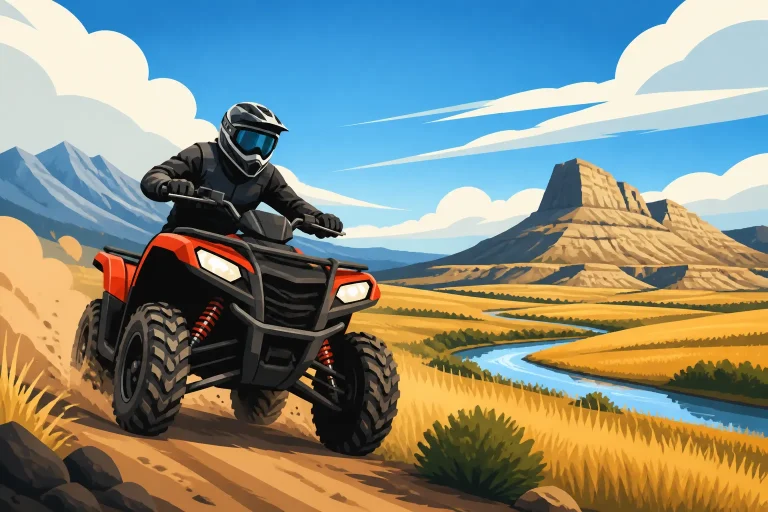
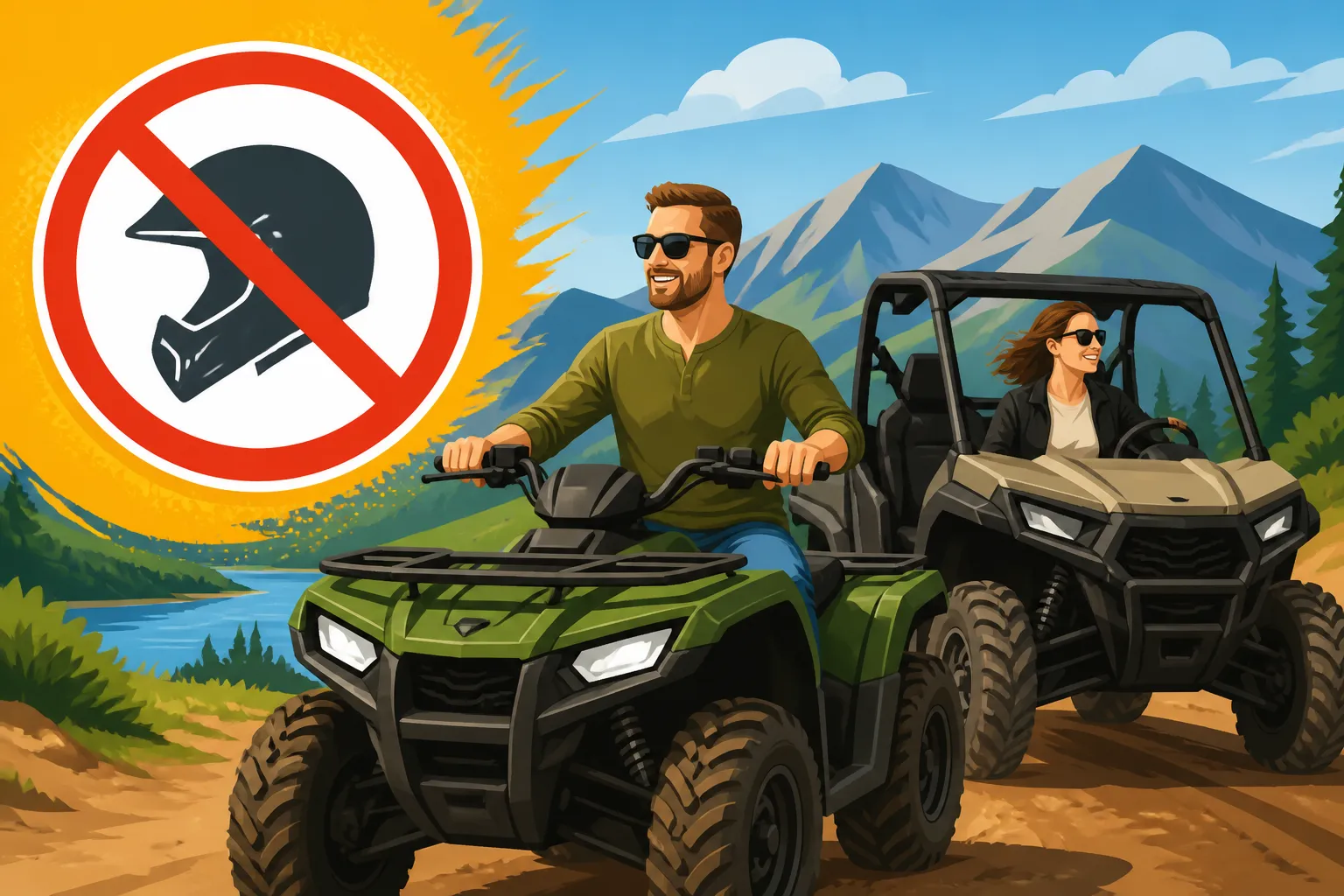
Montana adults riding an ATV or UTV are generally not covered by a blanket state helmet requirement, but that does not make every ride helmet-free by default. Vehicle type, route, age, and local rules can matter. Here’s how to understand the adult rule, what visitors should check, and why wearing a helmet remains a sensible choice.
What Montana’s adult helmet rule means
For adults riding a typical ATV or UTV as an off-highway vehicle, Montana generally does not require a helmet in every riding situation. That is different from saying helmets are never required. Rules can vary with the vehicle’s legal classification, where it is being operated, and whether another requirement applies.
The distinction matters most when a ride includes a public road. A quad or side-by-side used as an OHV is not automatically subject to the same requirements as a motorcycle simply because it travels on a road. But a vehicle registered or classified as a motorcycle may fall under different rules. Before taking a machine onto a road, confirm that it is allowed there and check the equipment and rider requirements for that route. Riding an OHV on the Road in Montana
Montana has specific helmet requirements for riders under 18 in some circumstances. The exact rule depends on the vehicle and where it is being used, so don’t assume that an adult rule applies to a child riding with you. Montana Helmet Requirements Under 18
A useful way to think about it is:
- Adult on a typical OHV: A helmet is generally not required by a blanket statewide rule, but other rules or conditions may apply.
- Rider under 18: Youth helmet requirements may apply; check the rule for the vehicle and riding location.
- Motorcycle or differently classified vehicle: Separate helmet laws may apply.
- Rental machine or organized ride: The rental agreement or event rules may require helmets even when the general state rule does not.
- Out-of-state rider: A Montana permit does not necessarily replace or change equipment requirements. Follow the rules that apply to the ride and machine.
The term “adult” also should not be treated as the only fact that matters. The vehicle’s title or registration category, the type of road, and any private land or event conditions can change what applies. If you’re unsure how your machine is classified, check its paperwork rather than relying on its appearance or what another rider calls it.
Helmet law is not the same as permit law
Visitors often focus on the pass or permit needed to ride in Montana, then assume that meeting that requirement settles the legal questions. It doesn’t. A permit addresses access or use requirements; it does not serve as a waiver for equipment rules, road restrictions, or age-based requirements.
Montana’s nonresident trail permit is relevant to certain visitors using public trails, but it does not decide whether a helmet is required for a particular rider or machine. Check the separate requirements for your planned ride, including where the route goes and whether it uses a public road. Montana’s Non-Resident Temporary Use Permit Montana Rules for Visiting Riders
That distinction is also important for people bringing a machine from another state. A home-state registration or permit does not automatically settle what Montana requires while the vehicle is being used here. Nor does a Montana trail permit make a machine street-legal. Riding a Montana Machine in Another State
When an adult may still need to wear a helmet
Even if the general rule for adult OHV riders does not require a helmet, there are situations where a helmet may be required by a separate law, a land manager, or the terms of a ride.
The machine is legally a motorcycle
A machine that looks similar to an ATV or UTV may have a different legal classification. If your vehicle is registered or equipped as a motorcycle, don’t assume that the general adult OHV rule applies. Check the classification on its paperwork and the helmet rules for that vehicle type.
This can become especially important when a machine is modified, titled under a different category, or used on roads. An aftermarket windshield, seat, or lighting kit does not by itself determine the vehicle’s legal classification. If the paperwork is unclear, ask the relevant state or local authority before riding.
A road, land manager, or event has its own conditions
Road access and equipment requirements are not always the same across a whole trip. A route may combine trails, roads, private property, and managed public land. A land manager or event organizer may impose safety conditions that go beyond the general statewide rule. A club ride, guided trip, or competition may also have rules that apply to everyone taking part.
Read event instructions and posted signs, and ask the organizer or land manager if you are uncertain. A helmet requirement tied to a specific event or place does not necessarily mean there is a universal statewide rule for all adult OHV riding.
Private property needs care, too. The absence of a general helmet requirement does not mean a property owner cannot set conditions for access. If you are riding on someone else’s ranch or other private land, follow the owner’s instructions. For questions about how permits relate to private ground, see Do You Need a Permit on Deeded Montana Ground?
A rental agreement makes it a condition of use
A rental business may require a helmet as part of its contract or safety briefing. That is a condition of renting the machine, not proof that Montana law requires every adult to wear one. If the shop supplies helmets, ask what is included and whether you can bring your own. If you plan to use your own, check that it fits properly and is suitable for the type of riding.
The same principle applies to group trips and guided rides. Ask about required gear before you arrive, rather than finding out at the trailhead that your group has different expectations.
| Riding situation | What to check | Practical approach |
|---|---|---|
| Adult riding a typical ATV or UTV off-road | Whether another rule applies to the machine, location, or event | A helmet may not be required by a blanket adult rule, but wearing one is still prudent |
| Rider under 18 | Age-specific helmet requirements for the vehicle and location | Confirm the rule before the ride; don’t rely on the adult rule |
| Machine used on a public road | Whether that road allows the machine and what rules apply to its classification | Verify road access and equipment requirements separately |
| Rental or guided ride | Contract, briefing, and route conditions | Ask the provider what must be worn and what gear is supplied |
| Ride on private property | The owner’s permission and conditions | Follow the property owner’s requirements |
When an officer checks a ride, the questions may extend beyond helmets to registration, permits, road access, and other requirements. Carry the documents that apply to your trip and know where your route is allowed. What a Montana Officer Asks For
Why wearing a helmet is still a good idea
A legal minimum is not the same as a safety recommendation. ATV and UTV riding can involve loose gravel, branches, sudden stops, uneven ground, and collisions. A rollover or ejection can happen even at modest speeds, and the rider may have little time to react. A helmet helps protect the head in a crash; it does not eliminate the risk of injury, but it can reduce exposure to a serious impact.
A UTV’s roll cage and seat belt serve different purposes. They help keep occupants within the vehicle and protect the passenger area in some crash situations, but they do not protect the head from every impact. A helmet is not a replacement for the seat belt, and a seat belt is not a replacement for a helmet. Use the machine’s restraint system as designed and follow the manufacturer’s instructions.
For an ATV, riders are more exposed to the ground and nearby obstacles. For a side-by-side, occupants may feel enclosed, but a hard landing, collision, or contact with the vehicle’s interior can still cause head injury. A helmet is worth considering in either machine, especially on unfamiliar trails, at higher speeds, or when riding with other vehicles.
Eye protection is another separate consideration. A helmet visor may help, but dust, branches, glare, or debris can still affect visibility. Make sure your eye protection stays in place and works with the helmet you choose. See Montana Eye Protection Rules for Passengers for related passenger requirements.
Choosing and wearing a helmet
A helmet only helps as intended when it fits and is in good condition. A loose helmet can shift during a ride, while one that is uncomfortable may tempt a rider to remove it. Look for a model designed for the type of riding you do, and follow the manufacturer’s fit and fastening instructions.
A practical fit check includes these steps:
- Put the helmet on level, with the front positioned correctly rather than tilted back.
- Fasten the strap snugly according to the manufacturer’s instructions.
- Check that the helmet does not rotate or slide easily when you move it.
- Make sure your vision and hearing are not unnecessarily obstructed.
- Replace or have the helmet assessed after a significant impact, following the maker’s guidance.
A helmet that fits one person may not fit another, even if both riders wear the same size label. Try it on before a long trip, and check that it works with goggles or other eye protection. If buying online, including through a general retailer such as Amazon, verify the model, intended use, fit, and applicable safety certification rather than choosing by appearance alone.
Avoid assuming that a helmet is protective simply because it is marketed for motorsports or looks similar to a motorcycle helmet. Check the manufacturer’s specifications and the standards applicable to your intended use. If a law, rental contract, or event sets a particular standard, make sure the helmet meets that requirement.
A simple pre-ride check for Montana visitors
Before heading out, confirm the rule for the whole ride rather than only the trailhead. A route can change from an off-road trail to a road segment or pass through an area with additional conditions. If you are visiting from outside Montana, take a few minutes to check the permit and equipment requirements independently.
Use this checklist:
- Identify the machine’s legal category. Check the registration or title, especially if it is modified or used on roads.
- Confirm where you may ride. A trail pass does not grant access to every road or trail. Review the route and the restrictions for each section.
- Check age-related requirements. If anyone under 18 is riding, confirm the rules that apply to the youth rider, machine, and location.
- Read rental or event terms. Follow any helmet or protective-equipment conditions set by the provider or organizer.
- Choose protective gear based on the ride. Even if adults are not legally required to wear helmets in a particular situation, terrain, speed, weather, and group size are practical reasons to wear one.
- Carry relevant paperwork. Keep the documents that apply to your machine and trip accessible, and be ready to explain your route and permit status.
For a road segment, verify more than the helmet question. Not every Montana road is open to OHVs, and access can depend on the road authority and local rules. The route must be legal for the machine, and the operator must meet the requirements for that use. Montana Road Access Depends on Who Owns the Road
The practical takeaway is straightforward: adults riding a typical ATV or UTV in Montana generally are not subject to a blanket state helmet requirement, but the rule has limits. Vehicle classification, youth riders, road use, and local or contractual conditions can change what is required. Confirm those details before riding—and consider wearing a helmet even when the law does not require one.
Disclaimer
This article is for general informational purposes only and does not constitute professional advice. Laws, prices and regulations vary by location and change over time. Consult a qualified professional for guidance on your specific situation.