Losing Montana Riding Privileges After a Ticket
It's incredibly frustrating, and honestly, a bit scary, to think about losing the freedom to ride your ATV or UTV on Montana's incredible trails and backroads. One minute you're enjoying the wide-open spaces, and the next, a simple ticket can throw a wrench into your entire riding season. This guide is here to walk you through exactly how receiving a ticket can impact your off-highway vehicle (OHV) riding privileges in Montana, what those consequences might look like, and what steps you can take to understand and potentially recover from the situation.
Understanding Montana's OHV Enforcement System
Navigating the rules and regulations for OHVs in Montana can sometimes feel like trying to find your way through a maze, especially when you encounter law enforcement out on the trail or a county road. It's a critical first step to understand who's out there enforcing the rules and what typical interactions look like.
The Initial Stop and What Happens Next
When you're out riding in Big Sky Country, whether it's on a designated trail in a national forest, a Bureau of Land Management (BLM) road, or a county road where OHV access is permitted, you might encounter various law enforcement officials. This could be a Montana Fish, Wildlife & Parks (FWP) warden, a county sheriff's deputy, or even a Montana Highway Patrol officer, depending on where you are and the nature of the situation. They all play a role in ensuring safe and legal OHV use.
The initial stop usually begins with flashing lights or an officer signaling you to pull over. It's crucial to remain calm, stop in a safe location, and follow their instructions. Common reasons for these stops range from seemingly minor issues, like a missing OHV decal or an expired registration, to more serious concerns like operating an OHV in a prohibited area, excessive speed, reckless operation, or even suspected impairment. The officer will typically ask for your identification, proof of registration, and possibly proof of insurance if you're riding on a road where it's required. They'll also explain why they pulled you over and gather information related to the alleged violation. This initial interaction sets the stage for everything that follows, so being cooperative and respectful, even if you disagree with the reason for the stop, is always the best approach.
Types of Violations and Their Severity
Not all tickets are created equal, and in Montana, OHV violations span a wide spectrum from minor infractions to serious offenses that carry significant penalties. Understanding this difference is key to knowing what you're up against.
Minor infractions often include things like:
- Not having your registration decal properly displayed, even if your machine is registered.
- An expired OHV registration.
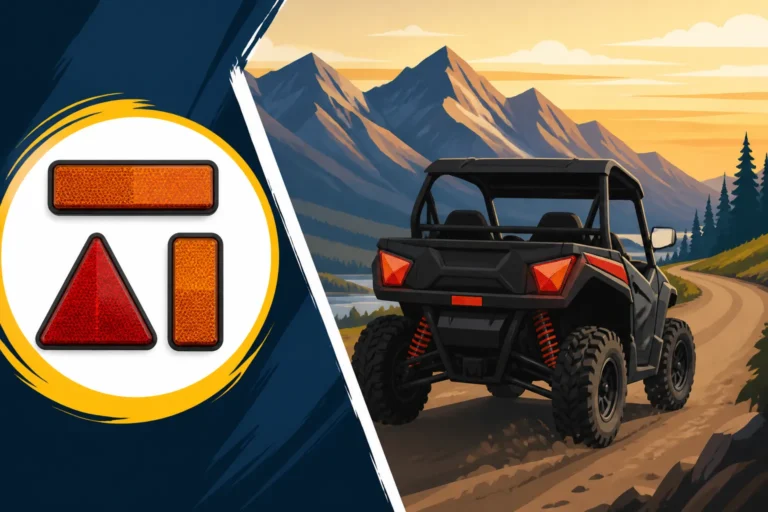
- Missing a required piece of equipment for road-legal riding (e.g., proper headlights or taillights, a horn).
- Riding slightly off-trail but not causing significant damage.
These types of violations typically result in a monetary fine, and while annoying, they usually don't immediately threaten your riding privileges. You can often pay the fine and move on. However, it's worth noting that even these smaller fines can add up, and repeat offenses might lead to increased scrutiny or a pattern of behavior that could eventually result in more severe consequences. For a general idea of what these might look like, you can often find information on [Montana OHV Ticket Costs by Violation]. Sometimes a ticket might even be for something like an overly loud aftermarket exhaust. While companies like SuperATV offer fantastic performance parts, it's crucial to ensure any modifications still meet Montana's noise regulations and local ordinances to avoid issues on the trail or road.
On the other hand, serious offenses carry much heavier weight. These can include:
- Operating an OHV while under the influence of alcohol or drugs (DUI).
- Reckless endangerment or grossly negligent operation that puts others at risk.
- Causing significant property damage or environmental harm.
- Illegal trespass on private land, especially after being warned.
- Fleeing from a law enforcement officer.
These serious violations can lead to hefty fines, significant legal costs, and critically, a direct path to losing your OHV riding privileges, sometimes for an extended period. If you're caught with an unregistered machine, for example, the [Fines for an Unregistered OHV in Montana] can be steep, and a pattern of such behavior could easily lead to bigger problems down the line. It's not just about the immediate penalty; it's about the long-term impact on your ability to enjoy Montana's vast recreational opportunities.
How Tickets Can Lead to Lost Privileges
It's one thing to get a ticket and pay a fine; it's another entirely to face the prospect of not being able to ride your machine at all. In Montana, tickets can indeed escalate to a loss of riding privileges, either through accumulation or due to the severity of a single incident.
Accumulation of Points or Repeat Offenses
While Montana doesn't have a formal "point system" specifically for OHV violations that mirrors the system for standard driver's licenses, the concept of repeat offenses is very real and can absolutely lead to a suspension of privileges. Law enforcement agencies and the courts keep records of your violations. If you consistently receive tickets for minor infractions – say, for not having your [Montana OHV Decals and Rear Placement] in order, repeatedly operating an OHV on a prohibited road, or failing to carry proof of registration – these can begin to paint a picture of disregard for the rules.
Imagine this scenario: you get a ticket for riding your side-by-side on a county road that's explicitly closed to OHVs. A few months later, you're cited again, this time for exceeding the speed limit in a designated OHV park. Then, perhaps you're stopped a third time for having an aftermarket exhaust that violates [Mufflers and Spark Arresters in Montana] noise limits, after being warned previously. Each of these might be a minor fine on its own, but collectively, they demonstrate a pattern. The court, or in some cases, the FWP, might decide that a more significant intervention is needed. This could mean a temporary suspension of your privilege to operate an OHV on public lands and roads, or even an order that prevents you from registering an OHV for a certain period. It's not about a "points" deduction but rather a cumulative assessment of your compliance with Montana's OHV laws. It's a stark reminder that even seemingly minor infractions can contribute to a larger problem if you're not careful.
Serious Violations and Immediate Suspensions
Some violations are so severe that they can result in an immediate or very swift loss of your OHV riding privileges, often without the need for a long history of prior offenses. These are the kinds of incidents that trigger serious legal proceedings and carry the weight of potential criminal charges.
The most common and impactful of these is operating an OHV while under the influence (DUI). In Montana, operating an OHV is treated similarly to operating a motor vehicle when it comes to alcohol and drug impairment. If you get [A DUI on an OHV in Montana], you could face not only heavy fines and jail time but also a significant suspension or even revocation of your driving privileges for all motor vehicles, including your OHV. This isn't just a slap on the wrist; it's a serious legal consequence that can impact every aspect of your life.
Other serious violations that can lead to swift suspensions include:
- Reckless Endangerment: Operating your OHV in a manner that shows extreme disregard for the safety of others, such as high-speed maneuvers through a crowded staging area or intentionally trying to scare hikers. The [Montana Penalties for Reckless Riding] can be severe, including license suspension.
- Significant Property Damage or Environmental Destruction: Intentionally driving through sensitive habitats, destroying private property, or causing extensive damage to public lands.
- Fleeing or Eluding an Officer: Attempting to escape from law enforcement after being signaled to stop. This is a felony offense in many jurisdictions and will almost certainly lead to a loss of riding privileges.
- Serious Trespass: Repeatedly riding on posted private land or in a wilderness area clearly marked as off-limits to motorized vehicles, especially if it leads to conflict or damage.
In these situations, the legal process often involves a court appearance, where a judge will determine the penalties. These can range from a temporary suspension (e.g., six months to a year) to a complete revocation, meaning you might not be able to ride legally for a very long time, if ever again. The judge will consider the specifics of the case, any prior offenses (even minor ones), and the potential for harm. It's a stark reminder that the privilege of riding in Montana comes with the responsibility to do so safely and legally.
The Consequences of Losing Your Riding Privileges
Losing your OHV riding privileges in Montana is more than just an inconvenience; it can have significant financial, legal, and personal impacts. It's a situation that no rider wants to face, especially in a state renowned for its vast trail systems and scenic backcountry.
Fines, Penalties, and Legal Costs
Beyond the initial ticket amount, losing your riding privileges can trigger a cascade of additional expenses. First, there are often court costs associated with any legal proceedings, which can include administrative fees, filing fees, and other charges. If you decide to fight the ticket or defend against a more serious charge, you'll likely incur legal fees for retaining an attorney, which can quickly add up to thousands of dollars.
If your violation involved property damage or personal injury, you could also be facing civil lawsuits, which can result in substantial monetary judgments against you. For instance, if your reckless riding led to an accident, [Montana OHV Injury Claims After a Crash] could leave you liable for medical bills, lost wages, and pain and suffering for others involved. Even if your insurance covers some of it, the financial hit can be devastating.
Furthermore, a serious violation, especially a DUI, will almost certainly lead to increased insurance premiums for all your vehicles, including your OHV. Some insurance companies may even drop your coverage altogether, making it difficult and expensive to get new insurance in the future. In some cases, courts might impose additional penalties like mandatory community service hours, alcohol or drug counseling, or enrollment in a defensive driving or OHV safety course. These requirements, while not financial, demand significant time and effort. The overall financial burden can be substantial, transforming a simple joyride into a long-lasting financial nightmare.
The Impact on Your Riding Freedom
The most immediate and disheartening consequence of losing your riding privileges is, of course, the inability to ride your OHV. This means you can't hit the trails, explore forest service roads, or enjoy the scenic byways that make Montana such a premier destination for ATV and UTV enthusiasts. If your registration privileges are suspended, you won't be able to legally register any new machines, and existing registrations might be revoked.
Riding while your privileges are suspended or revoked can lead to even more severe penalties, including steeper fines, longer suspensions, and potentially even impoundment of your machine. Imagine investing in upgrades from SuperATV or other brands – new tires, a winch, a performance exhaust – only to have them sit unused in your garage because you can't legally take your machine out. The frustration can be immense.
This loss of freedom can also affect future opportunities. If you plan a trip with friends and family to a popular riding area near West Yellowstone or Red Lodge, you'll be left out. Rental companies, like Yellowstone Adventures or Summit ATR Rentals, are unlikely to rent you a machine if your riding privileges are suspended, as it would be a liability for them. It limits your ability to experience the outdoor lifestyle that draws so many to Montana. For residents, it means being cut off from a cherished pastime and a way to connect with the state's natural beauty. For visitors, it can mean a ruined vacation and a lasting negative impression. Understanding [Montana Road Rules Riders Get Wrong] is a crucial first step to avoid these consequences.
Steps to Take After Receiving a Ticket and Recovering Privileges
Receiving an OHV ticket, especially one that could lead to losing your riding privileges, can feel overwhelming. However, there are specific steps you can take to address the situation, either by challenging the ticket or working toward reinstating your privileges.
Appealing or Fighting an OHV Ticket
If you believe the ticket you received was issued in error, or if you have compelling evidence that you were not in violation of the law, you absolutely have the right to fight it. The process for [Fighting an OHV Ticket in Montana] typically begins with notifying the court of your intention to plead "not guilty" and request a hearing.
Here's a general approach you might take:
- Document Everything Immediately: After the incident, write down every detail you can remember: the exact location, time, weather conditions, the officer's name, what was said, and any specific circumstances. Take photos or videos of the scene, any relevant signage, and your machine's condition. This evidence can be invaluable.
- Understand the Charges: Carefully read the ticket and understand the specific statute or ordinance you're accused of violating. Research the exact wording of the law to ensure you fully comprehend its scope.
- Seek Legal Counsel: For anything more serious than a minor infraction, consulting with an attorney experienced in traffic or OHV law is highly recommended. They can advise you on the strength of your case, navigate court procedures, and represent you effectively. They understand the nuances of the law and can often spot defenses you might miss.
- Gather Witnesses: If anyone else was present during the incident, obtain their contact information and ask if they would be willing to provide a statement or testify on your behalf.
- Prepare Your Defense: Based on the evidence and legal advice, prepare a clear and concise argument for your hearing. This might involve demonstrating that signage was missing, that you were in an area where OHVs are permitted (like [Riding an OHV on the Road in Montana] under specific county ordinances), or that your machine met all legal requirements.
Appealing a ticket can be a lengthy process, but if successful, it can prevent fines, avoid points (if applicable to your driving record), and most importantly, protect your OHV riding privileges from suspension or revocation.
Reinstating Your Riding Privileges
If you've received a ticket and, unfortunately, your OHV riding privileges have been suspended or revoked, the path to reinstatement can seem daunting. However, it's usually a clear, albeit sometimes lengthy, process. The exact steps will depend on the nature of your violation and the specific orders issued by the court or the enforcing agency (like FWP).
Generally, the reinstatement process involves:
- Paying All Fines and Fees: This is often the first and most critical step. Ensure all initial ticket fines, court costs, and any additional administrative fees associated with your suspension are paid in full.
- Completing Court-Ordered Requirements: If the court mandated specific actions, such as completing an OHV safety course, attending alcohol/drug counseling, or performing community service, you must fulfill these obligations and provide proof of completion. Understanding the [Montana Safety Course Cost] and duration can help you plan this step. Make sure you confirm if [Does a Montana Safety Certificate Expire?] as you might need to take it again.
- Serving the Suspension Period: Many suspensions are for a set duration (e.g., six months, one year, or longer). You must wait out this entire period before applying for reinstatement. Attempting to ride during this time will only lead to further penalties.
- Applying for Reinstatement: Once all conditions are met, you'll typically need to apply for reinstatement through the appropriate Montana state agency, which might be the Department of Justice's Motor Vehicle Division or FWP, depending on how your privileges were suspended. There might be an additional reinstatement fee.
- Ensuring Machine Compliance: Before you get back on the trails, make sure your OHV is fully compliant with all Montana laws, including proper registration, decals, and any required safety equipment for the type of riding you plan to do. If you got a ticket for an issue related to your machine's setup, like an aftermarket part, verify that any new parts from SuperATV or elsewhere meet regulatory standards.
It's vital to be meticulous and patient during this process. Keep detailed records of all payments, course completion certificates, and communications with the authorities. Each step must be completed correctly to ensure a smooth path back to enjoying Montana's incredible OHV opportunities.
Disclaimer
This article is for general informational purposes only and does not constitute professional advice. Laws, prices and regulations vary by location and change over time. Consult a qualified professional for guidance on your specific situation.