Riding an OHV Into West Yellowstone
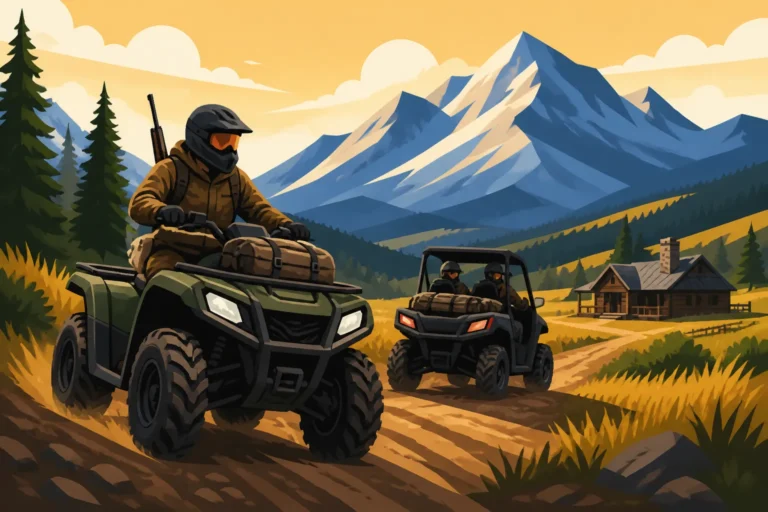
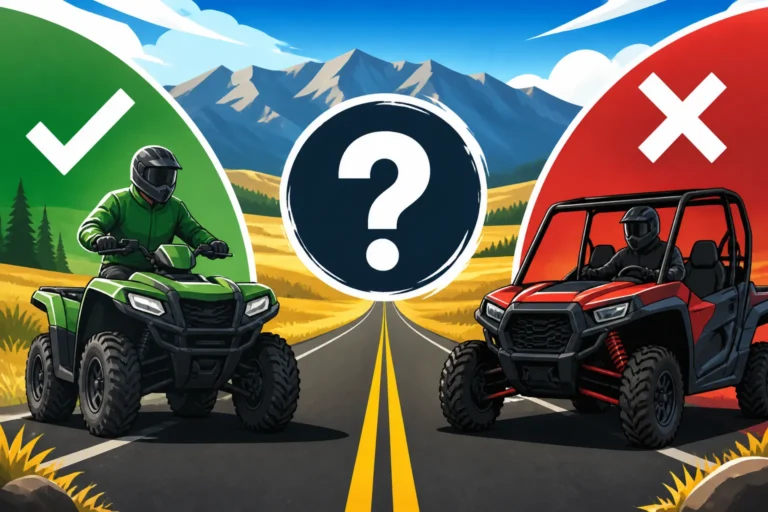
There's nothing quite like the excitement of an OHV trip that includes rolling right into a vibrant trail town, but the dream can quickly turn into a headache if you're not sure about the local rules. Many riders wonder if they can confidently steer their ATV or UTV off the dirt and onto the pavement to grab a meal or refuel in West Yellowstone. This comprehensive guide will walk you through Montana's laws and West Yellowstone's specific ordinances, ensuring your ride into town is smooth, legal, and stress-free.
The General Lay of the Land: Montana's OHV Road Rules
Before we dive specifically into West Yellowstone, it's really important to understand the broader framework of Montana's OHV laws regarding road use. Montana has a somewhat unique approach compared to some other states, offering a blend of state-level requirements and significant local control. This combination can sometimes feel a bit like a patchwork quilt, which is exactly why getting clear on the details before you head out is so crucial. No one wants to be caught off guard by a local ordinance they didn't know existed.
State Law Versus Local Control
In Montana, state law provides the foundational rules for off-highway vehicles, including requirements for registration, decals, and some basic safety equipment. For instance, any OHV used on public roads, streets, or highways in Montana must be registered. This is where things can get a little tricky because while the state sets these baseline requirements, it also grants a lot of authority to individual counties and incorporated cities and towns. This means that while your OHV might meet all the state's requirements to be considered "street legal" in a general sense, a specific town or county can still enact its own ordinances that either restrict or permit OHV use on their roads.
This local control is often exercised by county commissioners for county roads and by city councils for municipal streets. They have the power to designate certain roads or areas where OHVs are allowed or, conversely, to prohibit them entirely. This is a huge factor when planning a trip that involves riding into any community, and it's particularly relevant for popular destinations like West Yellowstone. You might be legally riding on a Forest Service road one minute, but as soon as you hit the paved road into town, a whole new set of rules could apply. Riders often get frustrated by this variance, feeling like they need a lawyer to interpret all the different signs, but understanding this fundamental split between state and local authority is the first step to a hassle-free trip. For more on the statewide approach, check out [Riding an OHV on the Road in Montana].
What "Street Legal" Really Means in Montana
So, what does it take for your OHV to even stand a chance on Montana's roads, before local ordinances come into play? Generally, to be considered "street legal" under Montana state law, your OHV needs to meet several equipment requirements. This isn't just about having fun; it's about safety for you and everyone else on the road. You’ll need working headlights and taillights, at least one brake that can stop the machine efficiently, a horn, and an exhaust system with a spark arrester. Additionally, you'll need mirrors, and if your machine wasn't originally equipped with turn signals, you'll need to add them or use hand signals. Many riders choose to upgrade their machines with aftermarket kits from brands like SuperATV to ensure they meet all these specifications, as stock machines often lack some of the necessary features for road use.
Beyond the machine itself, the operator must have a valid driver's license to ride on public roads. This isn't like riding on a trail where a safety certificate might suffice for younger riders; once you're on a public road, it's treated much like operating any other motor vehicle. As for age, while state law allows younger riders (12-15) to operate OHVs under certain conditions, riding on public roads usually defers to the driver's license requirement. For a deeper dive into the specific equipment, you'll need, take a look at [What Montana Requires on an OHV Road Ride] and [Driver's License Rules for Montana Road Riding]. Don't forget that a properly displayed [Montana OHV Decals and Rear Placement] is also a must.
Navigating West Yellowstone: Specific Town Ordinances for OHVs
West Yellowstone is a prime example of a community that has embraced OHV tourism, understanding the economic benefits that riders bring to the area. However, with that embrace comes the need for clear rules to manage traffic, safety, and the peace of mind of residents and other visitors. The town has worked to create ordinances that allow OHV access while maintaining order. It's a balance, and knowing the specifics will make your visit much more enjoyable.
The Welcome Mat: Where OHVs Are Allowed
Unlike some towns that might completely prohibit OHVs, West Yellowstone generally welcomes them, particularly on designated routes that serve as conduits to and from the vast trail systems surrounding the town. Many of the main thoroughfares and connecting streets are open to OHV traffic, allowing riders to easily access restaurants, lodging, fuel stations, and shops. The idea is to make it convenient for you to enjoy the town's amenities without having to trailer your machine every time you want to leave the trails. This means you can often ride straight from the trail system, pull into a gas station to refuel, or even park and grab a bite to eat.
However, "allowed" doesn't mean "anywhere and everywhere." Typically, these ordinances will specify exactly which streets or sections of streets are open to OHVs. These are often marked with signage, but it's always a good idea to check the most current information, either on the town's website or by asking at a local visitor center or powersports shop. These designated routes are crucial for connecting riders to trailheads, often found right outside the town limits, allowing for seamless travel from your lodging to the wilderness. For details on how other communities handle this, check out [Montana Towns That Allow OHVs on Their Streets].
Restrictions and No-Go Zones
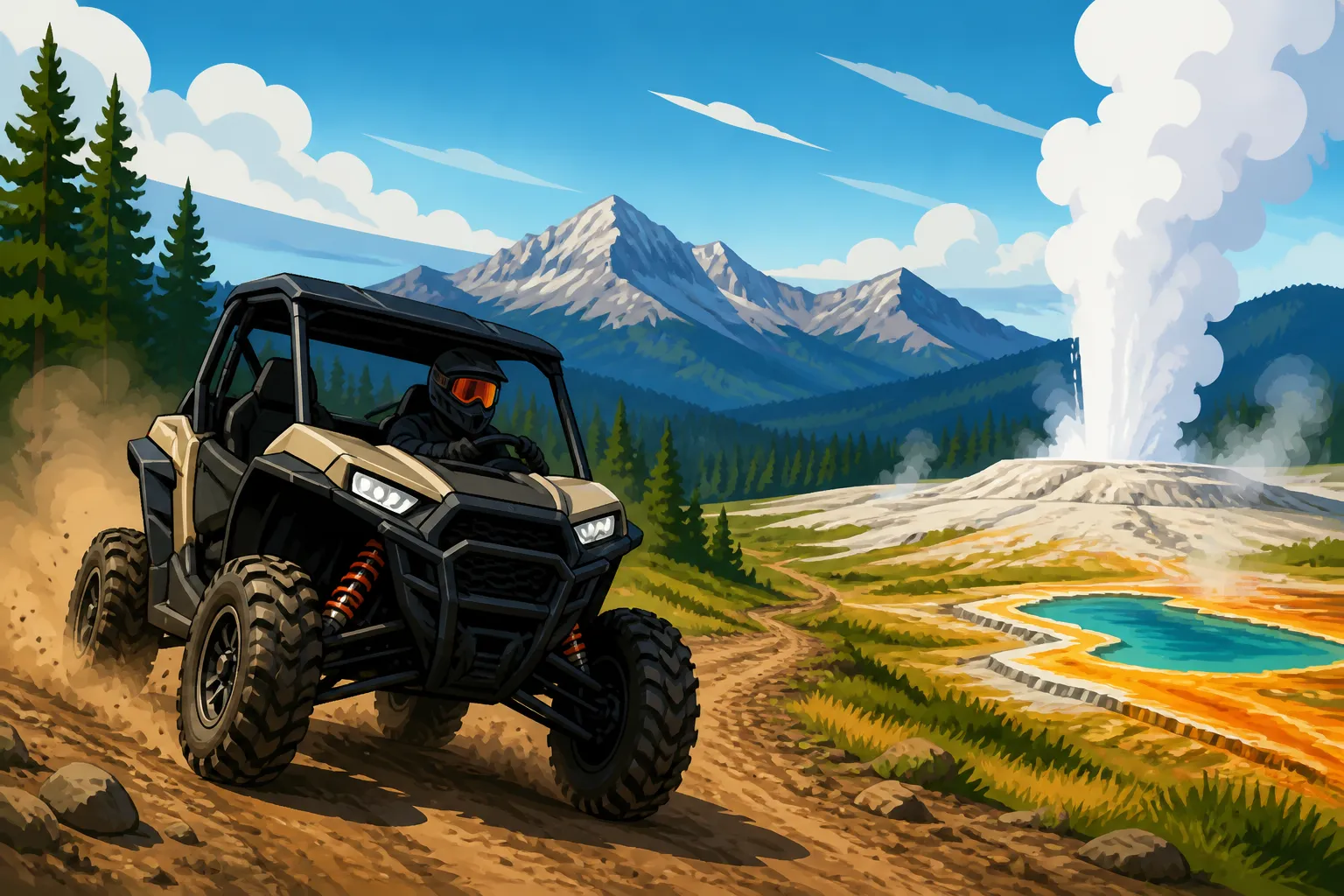
Even in welcoming towns like West Yellowstone, there will always be areas where OHVs are restricted or completely prohibited. These "no-go zones" are often put in place for safety, noise considerations, or to protect pedestrian-heavy areas. For example, certain smaller residential streets might be off-limits to minimize noise impact on homes, or highly congested areas around popular attractions might restrict OHV traffic during peak hours. You'll also find that national parks and monuments, including Yellowstone National Park itself, have strict rules against OHV use on their roads, so don't expect to ride your side-by-side through the park gates. The roads within the park are generally for conventional highway-legal vehicles only.
Speed limits for OHVs on town streets are typically the same as for other vehicles, but always remember that OHVs can feel very different at speed on pavement, so exercising extra caution is wise. Parking is another important consideration. While you might be able to ride your OHV on certain streets, you can't just park it anywhere. Look for designated OHV parking areas, or ensure you're parking in a legal spot that doesn't obstruct traffic or pedestrians. Failing to adhere to these restrictions can lead to fines or, worse, having your machine towed, which can put a real damper on your trip. It's really about being a good visitor and respecting the local rules, which ensures continued access for all of us. You can read more about [Montana City Streets and Municipal Ordinances] and [Montana Speed Limits for OHVs on Roads] for further insight.
Equipping Your OHV for West Yellowstone's Streets
Getting your machine ready for road use in West Yellowstone isn't just about throwing on some lights. It's about ensuring your OHV is as safe as possible for paved conditions and that you, as the operator, are also properly prepared. Many of these requirements overlap with the general Montana "street legal" guidelines, but it's worth reiterating them with West Yellowstone specifically in mind.
Mandatory Safety and Visibility Gear
For safe and legal riding on West Yellowstone's streets, your OHV absolutely must be equipped with several key pieces of safety and visibility gear. This isn't just about avoiding a ticket; it's about preventing accidents.
- Headlights and Taillights: These are non-negotiable. They must be operational and clearly visible. Some towns may even require them to be on at all times, day or night, when operating on streets. This makes your machine visible to other drivers, which is paramount. See [Headlight and Taillight Rules in Montana].
- Brakes: Your OHV needs at least one brake, in good working order, that can effectively stop the machine. You'll want to ensure both front and rear brakes are in top condition for road use. More information can be found in [Brakes a Montana Road Ride Requires].
- Mirrors: At least one rearview mirror is typically required, allowing you to see traffic approaching from behind. Some riders prefer two for better visibility, especially on busy streets.
- Horn: A working horn is essential for signaling other drivers or pedestrians if needed. Check [Montana Horn Requirements for Road Use] for specifics.
- Turn Signals (or Hand Signals): While some stock OHVs don't come with turn signals, they are necessary for road use. If your machine isn't equipped with them, you'll need to know and correctly use hand signals for turns and stops. Many riders choose to install aftermarket turn signal kits to make their machines more visible and user-friendly on roads.
- Muffler and Spark Arrester: Your exhaust system must have a muffler to keep noise within acceptable limits for a town environment, and a spark arrester is crucial for preventing wildfires, especially given West Yellowstone's proximity to forested areas. The town, like many, will have noise ordinances. [Muffler and Exhaust Noise Limits in Montana] covers this.
Here’s a quick summary of general road-legal equipment for an OHV in Montana:
| Requirement | Description |
|---|---|
| Headlights | One or two, white, visible from 500 feet. Must be on in low light. |
| Taillights | One or two, red, visible from 500 feet. |
| Brake Light | Activates when brakes applied. |
| Brakes | At least one, capable of stopping the machine. |
| Mirrors | At least one rearview mirror. |
| Horn | Audible for at least 200 feet. |
| Turn Signals | Required for turns/lane changes, or use hand signals. |
| Muffler | Effective in preventing excessive noise. |
| Spark Arrester | Approved and functional, especially on public lands. |
| Seatbelts/ROPS | If originally equipped, must be used/present. |
| Valid Registration | Montana OHV decal displayed. |
Driver and Passenger Requirements
Beyond the machine, you as the driver, and any passengers, also have requirements to meet when riding on West Yellowstone's streets.
- Driver's License: As mentioned, you need a valid driver's license to operate an OHV on public roads in Montana. This is a crucial point that sometimes gets overlooked by riders used to off-road environments. For more on this, see [Driver's License Rules for Montana Road Riding].
- Age Requirements: While Montana has rules for young riders on trails, the requirement for a driver's license effectively sets the minimum age for road riding. Passengers generally don't have a minimum age, but they must be able to sit securely and reach footrests if applicable.
- Helmets: Montana state law requires helmets for OHV riders and passengers under the age of 18. While adults 18 and over are not legally required to wear a helmet on an OHV, it is always a smart choice, especially when riding on pavement where impacts can be much more severe. If you're riding with younger family members, make sure they have properly fitting, DOT-approved helmets. You can find more specific information on [Montana Helmet Rules for Riders Under 18].
- Seatbelts and Roll Cages: If your side-by-side or UTV is equipped with seatbelts and a roll-over protective structure (ROPS) from the factory, these must be used and intact. They are there for your safety in the event of an accident.
It’s worth noting that while some of these requirements might seem like a hassle, they are genuinely in place to protect you, your passengers, and others on the road. Making sure your machine and your riding habits comply will ensure you have a safe and fun trip through West Yellowstone and beyond.
Making the Most of Your West Yellowstone OHV Trip
Riding your OHV into West Yellowstone can be a fantastic part of your adventure, offering convenience and a unique way to experience the town. But like any good traveler, a little planning and respect for the local environment go a long way in ensuring everyone has a positive experience.
Parking, Fueling, and Local Services
Once you're legally riding on West Yellowstone's streets, you'll need to know where to go for the essentials. Finding parking for an OHV can sometimes be a bit different than parking a car, and you want to be sure you're doing it legally and respectfully. Look for designated parking areas for OHVs, if available, or utilize standard parking spots where OHVs are permitted. Always ensure your machine is not blocking pedestrian walkways, fire lanes, or other traffic. [Parking an OHV on a Montana Main Street] offers further guidance.
Fueling up is usually straightforward, as many gas stations in trail towns like West Yellowstone are accustomed to OHV traffic. Just pull up to the pump like any other vehicle. [Fueling an OHV in a Montana Trail Town] details this process. As for grabbing a bite or a souvenir, many of West Yellowstone's businesses are rider-friendly. You'll find plenty of restaurants, shops, and lodging options that cater to the outdoor enthusiast crowd. Don't be shy about asking locals for recommendations – they often know the best spots that welcome riders.
Respecting the Town and the Environment
Being a responsible rider in West Yellowstone is paramount. The town depends on tourism, and positive interactions between riders, residents, and other visitors help ensure OHV access continues. This means being mindful of your speed, keeping noise levels down, and minimizing dust.
- Noise: While your OHV might have a legally compliant exhaust, prolonged idling or excessive revving can still be disruptive in a residential or commercial area. Be considerate, especially early in the morning or late at night.
- Dust: If you're coming off a dusty trail, try to avoid kicking up excessive dust on paved roads, which can impact visibility for other drivers and create a nuisance for businesses and homes.
- Speed: Adhere strictly to posted speed limits. Even if the road seems clear, children, pedestrians, or wildlife can appear unexpectedly.
- Alcohol: Just like operating any other motor vehicle, operating an OHV on West Yellowstone's streets while under the influence of alcohol is illegal and extremely dangerous. [Montana Alcohol Limits for OHV Operators] applies here.
- Trails vs. Town: Remember that while you might be able to ride your OHV into West Yellowstone, the trails and public lands surrounding it have their own set of rules, including designated routes, seasons, and permit requirements. Always stick to marked trails and respect all closures. This is crucial for maintaining access and protecting Montana's beautiful natural resources.
By following these guidelines and being a courteous visitor, you'll not only have a fantastic time exploring West Yellowstone and its surrounding trails but also help ensure that OHV access remains a cherished part of the Montana experience for years to come.
Disclaimer
This article is for general informational purposes only and does not constitute professional advice. Laws, prices and regulations vary by location and change over time. Consult a qualified professional for guidance on your specific situation.