Montana Seat Belt Rules in a Side-by-Side
Getting out on a side-by-side in Montana is an incredible experience, but sometimes the sheer excitement of hitting the trails can make us overlook some crucial safety details. One of the most common questions, and often a source of confusion, revolves around seat belt rules, especially when you’re venturing beyond private land. This guide is here to untangle the specifics of Montana’s seat belt regulations for side-by-sides, ensuring you and your passengers stay safe and legal on your next adventure.
The Basic Expectation: Buckle Up Your Side-by-Side in Montana
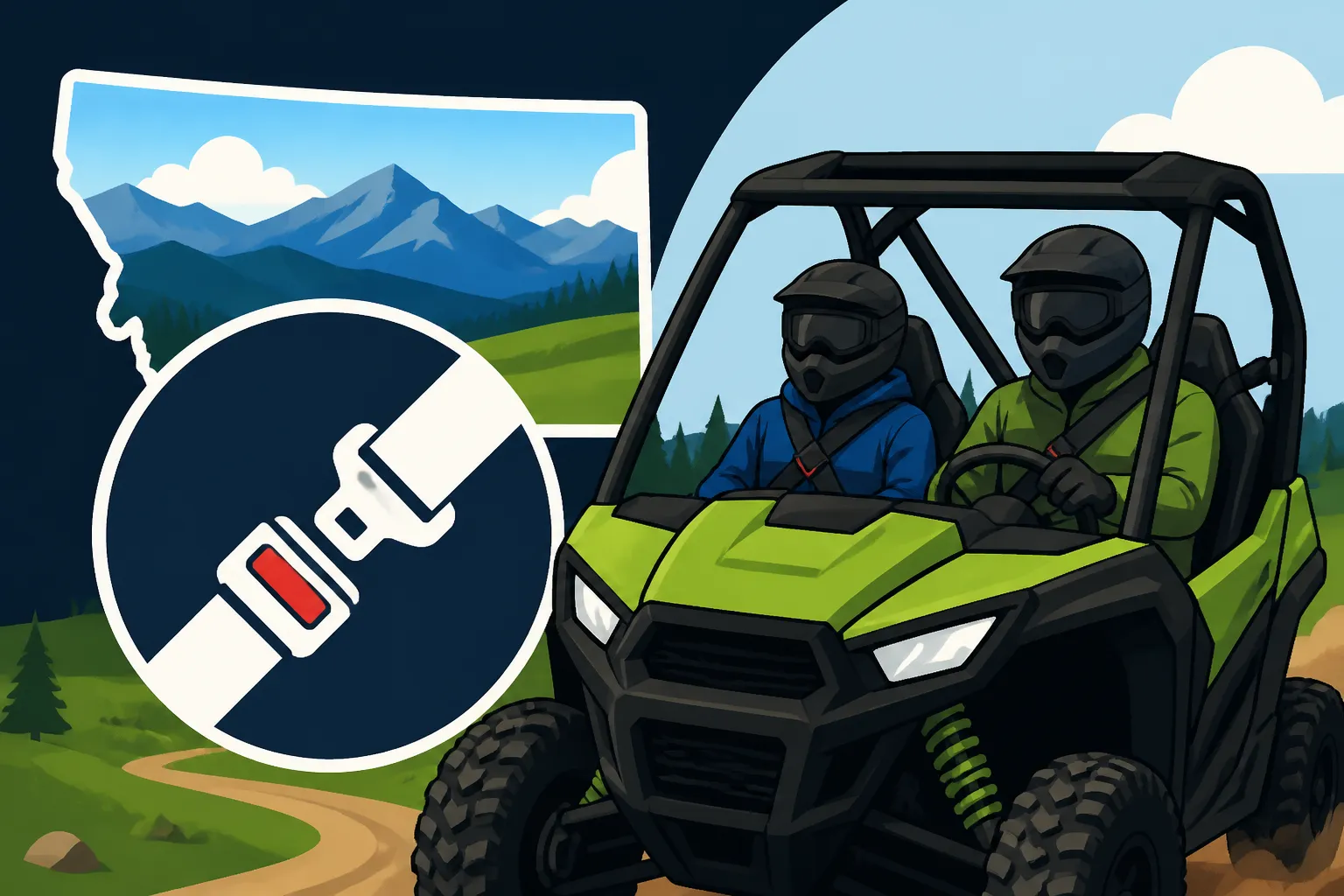
Let's start with the most important rule of thumb: if your side-by-side has seat belts, you and your passengers should be wearing them, especially when operating on any public land or road in Montana. It’s not just a suggestion; it’s a fundamental safety practice and often a legal requirement. Think of your UTV or side-by-side like any other vehicle that comes equipped with safety restraints—they're there for a reason, and Montana law generally reflects that common-sense approach to personal safety.
Many riders, myself included, have found that even on familiar trails, an unexpected dip, rock, or sudden turn can quickly unbalance a machine. A seat belt can be the difference between a minor jostle and a serious injury. This becomes even more critical when you're sharing trails or county roads with other vehicles, where unpredictable situations are part of the landscape. Ignoring these safety features isn't just a gamble with your own well-being; it can also lead to citations from local law enforcement or game wardens who are out there ensuring everyone plays by the rules.
Why Seat Belts Matter More Than You Think
It's easy to dismiss seat belts when you're going slow on a private ranch or just cruising a gravel path to your hunting spot. However, the dynamics of a side-by-side are unique. They have a higher center of gravity than a car, and while modern UTVs are incredibly stable, they can still roll or tip in extreme conditions or during an unexpected maneuver. Being properly restrained keeps you inside the protective cage of the machine, rather than being ejected, which is where many severe injuries occur.
Beyond the immediate physical protection, wearing a seat belt helps you maintain control of the vehicle. When you're securely in your seat, your hands are free to steer, and your feet can operate the pedals more effectively. This might seem obvious, but if you're bouncing around, you lose that crucial connection with your machine, making it harder to react to changing terrain or obstacles. Many riders, especially those pushing their machines harder on rugged Montana trails, choose to upgrade their factory seat belts to more robust harness systems, often from brands like SuperATV, for enhanced security and comfort. This upgrade not only boosts safety but can also provide a more stable and less fatiguing riding experience over long distances.
The General Law: If It Has Them, Use Them
Montana's specific statutes regarding OHV use on public roads and trails are designed to promote safety. While you won't find a single, standalone law that says "Thou shalt wear a seat belt in every side-by-side at all times," the requirement is embedded in broader regulations governing vehicle safety and operation. Essentially, if a manufacturer equips a side-by-side with seat belts, those restraints are considered part of the vehicle's essential safety equipment, and state law generally implies their use when the vehicle is being operated where state rules apply.
For instance, when an OHV is permitted to operate on certain public roads or highways, it often becomes subject to rules similar to those for other motor vehicles, which include restraint use. This applies whether you’re just crossing a highway or riding a designated county road. The idea is to treat these machines with the same respect for safety as you would a car or truck, especially when you're mixing with other traffic. It's not just about protecting yourself; it's about being a responsible operator and reducing potential risks for everyone on the road or trail.
Where Montana's Seat Belt Rules Kick In for OHVs
Understanding where these rules apply is crucial for Montana riders. It's not a blanket "always wear them" rule for every situation, though it's certainly the safest approach. The legal requirement to buckle up primarily comes into play when you're operating your side-by-side on public roads, designated trails that legally share road sections, or any other area regulated by state and local ordinances.
This means that cruising around your own private property, or a friend's ranch with permission, generally falls outside these specific public-use regulations. However, even on private land, common sense and personal safety should still dictate the use of seat belts. Accidents can happen anywhere, and the consequences on private land are just as real as on public trails.
Riding on Public Roads and Streets
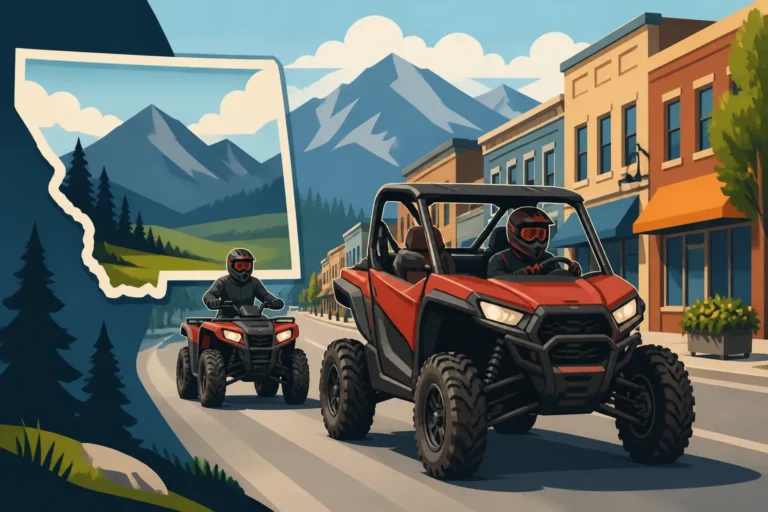
Montana has a complex but progressive approach to [Riding an OHV on the Road in Montana]. While you can't just hop on a highway, many county roads and even some town streets are open to OHV traffic, provided the local governing bodies have approved it. When you're on these public thoroughfares, the expectation is that you will operate your side-by-side with the same safety standards as any other vehicle. This absolutely includes using your seat belts.
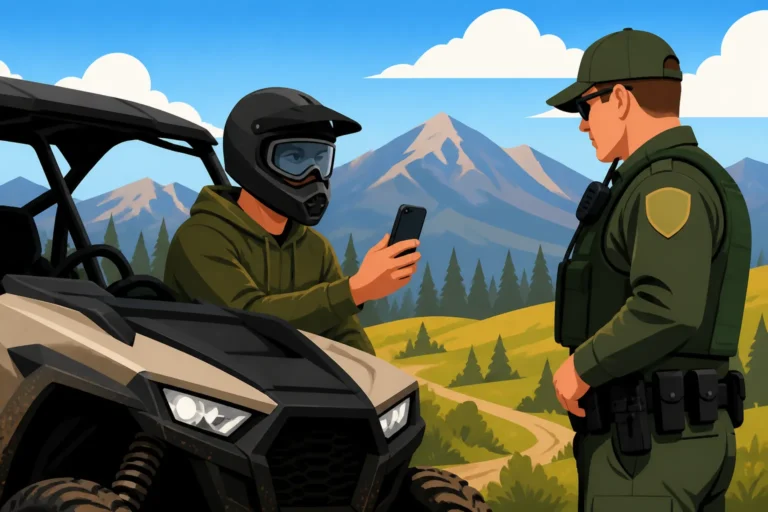
Think about it: you're sharing the road with cars, trucks, and potentially even semi-trucks. The speeds might be lower on a county gravel road, but the risks of a collision or a sudden need to swerve are very real. Law enforcement, whether it's a county sheriff or a Montana Highway Patrol officer, will be looking for safe operation, and unbuckled riders are an easy target for a citation. These rules are in place not to restrict your fun, but to protect you and others. If you plan to ride your side-by-side on any part of a public road, even for a short stretch to connect trails, make sure everyone in the machine is securely fastened.
Designated OHV Trails and Connecting Sections
Many of Montana’s incredible trail systems, especially those managed by the Forest Service or BLM, include sections that are part of the existing road network. For example, you might be on a designated OHV trail, but it follows an old logging road or a maintained forest road for a few miles before branching off onto single track. On these shared-use roads, even if they feel like "just a trail," you are generally expected to comply with road-use safety standards, which includes seat belt use.
This can sometimes catch riders off guard, especially if they’ve just been on a rugged, technical section where standing up and shifting weight was necessary. However, as soon as you hit that wider, more maintained forest road that's also open to cars, the rules change. Always be aware of the signage, and if you’re unsure, err on the side of caution and buckle up. It’s much easier to take a moment to click in than to deal with the aftermath of an incident or a conversation with a warden about improper safety gear. Checking a [Montana Motor Vehicle Use Map] before you head out is a great way to understand which roads are open to OHVs and what rules might apply to those sections.
Children and Seat Belt Rules in a Montana Side-by-Side
Children are a special consideration when it comes to OHV safety, and Montana takes their well-being very seriously. While there isn't a specific "car seat" law for OHVs, the general principles of keeping minors safe and restrained are paramount. If your side-by-side has seat belts, any child passenger capable of using them should be properly buckled. This is even more critical because children often have smaller bodies and less muscle mass to brace themselves during bumps or sudden stops.
Parents face the challenge of finding the right machine and ensuring their kids are safe. [Youth Machine Size Rules Montana Parents Ask About] are important, but equally important is how children are secured within the vehicle itself. Many side-by-sides are designed with multiple seating positions, and each one usually comes with its own seat belt. Make sure your child fits properly in the seat and the belt fits snugly across their lap and shoulder without riding up on their neck. If a child is too small for the factory seat belt to be effective, it might be necessary to consider a different seating arrangement or a machine more suited to their size, or even aftermarket child restraint systems.
Ensuring Child Passenger Safety
When riding with children, simply having them buckled isn't enough; you need to ensure they are properly buckled. This means:
- Correct Fit: The lap belt should sit low on their hips, touching the tops of their thighs. The shoulder belt should cross the center of their chest and shoulder, not their neck or face.
- No Slack: Pull any slack out of the belt to ensure a snug fit. A loose belt won't provide adequate protection.
- Age and Size Appropriateness: While there isn't a strict age limit for passengers on an OHV, common sense dictates that very young children, who cannot sit unassisted or whose bodies are too small for the seat belts, should probably not be passengers. For older children, consider if they are mature enough to follow safety instructions and keep their limbs inside the machine.
- Additional Safety Gear: Beyond seat belts, children should always wear helmets when riding in a side-by-side, especially on public roads or trails. [Montana Helmet Rules for Riders Under 18] are very clear on this. Eye protection, gloves, and sturdy footwear are also highly recommended.
Table: Montana Seat Belt Expectations for Side-by-Sides
| Scenario | Driver | Adult Passenger | Child Passenger | Notes & Best Practice |
|---|---|---|---|---|
| Public Roads/Trails | Required | Required | Required | If the machine is equipped with seat belts, use is mandatory on public ways. |
| Private Land (Ranch/Farm) | Recommended | Recommended | Recommended | Not legally required by state law, but strongly advised for safety. |
| Agricultural Use | Recommended | Recommended | Recommended | Specific exemptions may exist for certain work scenarios, but safety is paramount. |
| Machine Without Belts | N/A | N/A | N/A | Older machines may lack belts; assess risks, consider upgrades or limited use. |
| Aftermarket Harnesses | Recommended | Recommended | Recommended | Upgrade for enhanced safety, especially on rugged terrain. Ensure proper installation. |
Consequences of Not Following the Rules
Ignoring seat belt rules in Montana, especially when operating on regulated public lands or roads, can lead to more than just a stern look from a game warden. There are tangible legal and financial consequences, not to mention the significantly increased risk of injury. These aren't just minor infractions; they reflect a disregard for safety that officials take seriously.
Fines and Citations
If you or your passengers are caught riding unbuckled on a public road or a designated trail where seat belt use is implied or required, you could face a citation. The specific fines can vary depending on the county, the officer's discretion, and whether other infractions (like speeding or reckless riding) were also observed. While a single seat belt ticket might seem like a minor annoyance, it adds up, and it can certainly put a damper on your otherwise fun day out. [Montana Penalties for an Unregistered OHV in Montana] are a good example of how the state enforces OHV regulations, and seat belt violations fall under similar enforcement categories.
It's also worth noting that in an accident, if you weren't wearing a seat belt, it could impact how insurance claims are handled or even your liability in a civil suit, especially if you were carrying passengers. Insurance companies often look at whether proper safety precautions were taken, and an unbuckled rider could be seen as contributing to their own injuries.
Increased Risk of Injury and Liability
This is, of course, the most critical consequence. Seat belts are not just about compliance; they are about protection. In the event of a roll-over, a sudden stop, or a collision, being ejected from your side-by-side is significantly more dangerous than remaining inside the protective roll cage. Injuries can range from scrapes and bruises to broken bones, head trauma, or worse. The cost of medical care far outweighs the minor inconvenience of buckling up.
Furthermore, as the operator of the side-by-side, you bear a significant responsibility for the safety of your passengers, especially children. If a passenger is injured while unbuckled, and you were aware of the requirement or failed to ensure they were restrained, you could face legal liability. This is a heavy burden to carry and something every responsible rider wants to avoid. Ensuring everyone is safely buckled up is a simple step that significantly reduces these risks. Products like SuperATV's various seating and harness options are designed to enhance occupant retention, providing peace of mind whether you're tackling rough terrain or just cruising a backroad.
Disclaimer
This article is for general informational purposes only and does not constitute professional advice. Laws, prices and regulations vary by location and change over time. Consult a qualified professional for guidance on your specific situation.