Riding an OHV on a River Bar
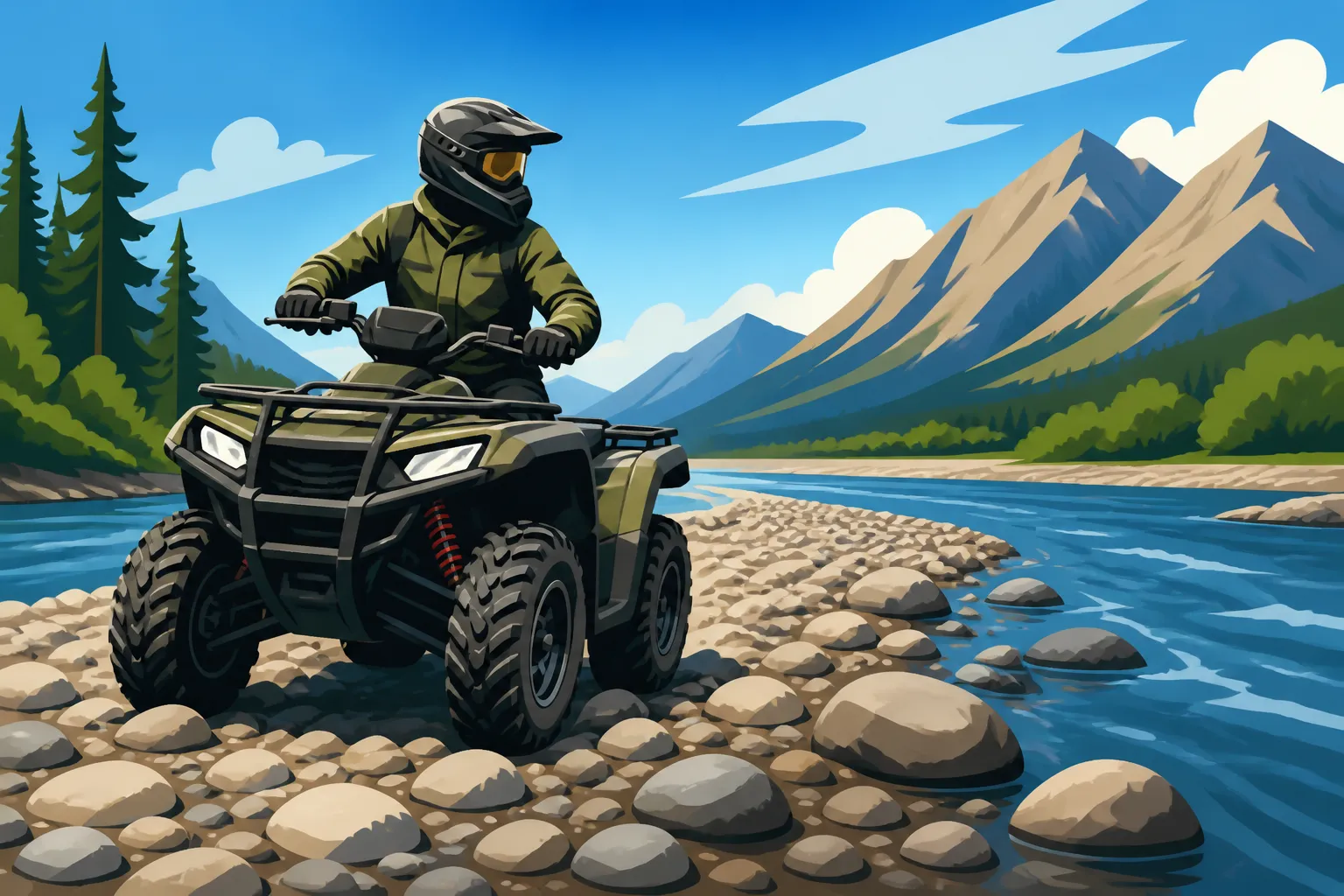
Oh, the allure of a wide-open river bar in Montana! It's a classic picture in many riders' minds: vast stretches of gravel, sand, and braided streams, seemingly endless freedom to explore away from crowded trails. But this dream often clashes with a confusing reality: where exactly can you ride an OHV on a river bar in Big Sky Country, and what rules are actually in play? This guide will dive deep into the often-misunderstood world of river bar access for ATVs and UTVs, helping you understand the regulations, environmental responsibilities, and practical considerations so you can explore safely and legally.
Understanding Montana's Public Access Laws for Waterways
Montana's rivers are a cherished resource, and the laws governing their use are designed to balance public access with private property rights and environmental protection. For OHV enthusiasts, understanding these foundational principles is absolutely critical before you even consider taking your machine down to the water's edge.
The Public Trust Doctrine and Navigable Waters
Montana operates under what's known as the Public Trust Doctrine, which essentially states that the public has a right to use all surface waters that are "navigable" for recreational purposes. This includes rivers, streams, and lakes. The tricky part for OHV riders is that while you might have the right to recreate on the water itself, that right doesn't automatically extend to the land adjacent to or within the waterway, such as a river bar, especially if it falls above a certain legal demarcation. The intent of this doctrine is primarily about floating, fishing, and wading, not necessarily operating motorized vehicles on the land that forms the riverbed or banks.
This distinction creates a lot of confusion. Many assume that if they can legally access the river, they can also drive their ATV or UTV on any exposed land within the riverbed. However, the public's right of access typically applies to the water column and the streambed up to the ordinary high-water mark. Anything above that line is generally considered private land unless explicitly designated otherwise. It’s a subtle but hugely significant difference that can lead to unintentional trespassing if not properly understood.
Identifying the "Ordinary High-Water Mark"
So, what exactly is this "ordinary high-water mark" (OHWM) and why is it so crucial for river bar riding? In simple terms, the OHWM is the line on the bank or shore established by the fluctuations of water, showing where the water ordinarily reaches its highest point during the year. It's often indicated by changes in the natural vegetation, the presence of certain types of debris, or a clear change in the character of the soil. Below this mark, the riverbed is generally considered public for navigation and recreation. Above it, especially on a river bar that emerges from the water, the land could very well be private property.
For an OHV rider venturing onto a vast, ever-changing river bar, identifying this line can be incredibly challenging, if not impossible, without specific training or clear markings. River bars are dynamic; they shift with floods, ice jams, and seasonal flows. What looks like public land one day might be clearly private the next, or vice-versa, depending on water levels. Misjudging this line can quickly put you in a situation where you are unknowingly trespassing on private land, even if you feel like you're in the middle of nowhere. It's a legal tightrope that requires a great deal of caution and usually, it's best to err on the side of caution.
Specific Rules and Restrictions for OHVs on River Bars
While the Public Trust Doctrine grants access to navigable waters, it's absolutely vital to understand that this right rarely extends to unrestricted OHV operation on river bars. Montana has additional layers of regulation that govern where motorized vehicles can and cannot go, particularly in sensitive ecological areas.
State and Local Regulations Beyond Access
Even if you find yourself on a section of a river bar that is technically "public" because it falls below the ordinary high-water mark, that doesn't automatically grant permission for OHV use. Montana Fish, Wildlife & Parks (FWP) and the Department of Environmental Quality (DEQ) have regulations aimed at protecting riparian habitats, fish spawning beds, and water quality. Driving an OHV across these areas, particularly when wet or during sensitive seasons, can cause significant damage, leading to erosion, sedimentation, and disruption of wildlife. Many areas, even if accessible, are simply closed to motorized vehicles to prevent such impacts.
Beyond state agencies, local counties or even specific tribal lands may have their own ordinances restricting OHV activity on or near waterways. What might be allowed in one part of the state could be strictly forbidden just a few miles downriver. There's no blanket "river bar riding is always allowed" rule in Montana, and riders are expected to know and follow local restrictions. This makes general river bar exploration a risky proposition for OHV use. Instead of guessing, exploring designated areas like those found in [Montana's National Forest Trail Systems] is a much safer and legal bet.
Environmental Concerns and Impact
The ecological footprint of OHVs on river bars is a significant concern for environmental managers and local communities. Riparian zones, the areas immediately adjacent to rivers and streams, are incredibly fragile and vital ecosystems. They provide critical habitat for countless species of birds, mammals, fish, and insects, acting as wildlife corridors and natural filters for water quality. Driving ATVs and UTVs across these areas can compact soil, destroy sensitive vegetation, and disturb nesting birds or spawning fish.
Erosion is another major issue. The loose gravel and sand of a river bar, when churned by tires, can easily be washed into the main river channel, increasing sedimentation. This can degrade water quality, harm aquatic life, and even alter river flows over time. Montana's beautiful rivers are a delicate balance, and responsible recreation means understanding and respecting these environmental sensitivities. This is also why rules like [Spark Arrester Rules on Public Land] are so crucial; preventing wildfires is another layer of environmental protection that riders must respect, even in seemingly "wet" areas.
Practical Considerations for River Bar Riding
Beyond the legalities, there are serious practical and safety considerations that every OHV rider should weigh before contemplating a ride on a Montana river bar. These environments are inherently unpredictable and can quickly turn a fun outing into a dangerous, costly ordeal.
Safety First: Water Levels, Flow, and Submerged Hazards
Montana's rivers are wild and dynamic, and their conditions can change rapidly. What looks like a shallow, placid stream crossing one moment could become a raging torrent with hidden depths just hours later due to upstream rain or snowmelt. Flash floods are a real danger, especially in canyons and narrow valleys. Beyond the immediate danger of being swept away, strong currents can hide treacherous soft spots, quicksand-like silt, or deep holes that can swallow a machine whole.
Submerged hazards are another constant threat. Hidden rocks, logs, debris, and even rebar from old bridges can puncture tires, damage suspension, or flip a machine. Even seemingly calm water can conceal a powerful undertow. Always remember that water levels can shift dramatically. If you do attempt water crossings, proper equipment is non-negotiable. A heavy-duty winch, like those available from SuperATV, can be the difference between recovering your machine and losing it to the river. Never ride alone, and always carry appropriate recovery gear. Knowing [What to Carry on a Remote Montana Ride] is essential, especially when venturing into such unpredictable terrain.
Property Lines and Trespass
As we touched on earlier, one of the biggest challenges on river bars is the almost invisible line between public and private land. While the water and the riverbed below the ordinary high-water mark are generally considered public, the moment you ascend onto a higher bank, a vegetated island, or a stable part of the bar, you are likely on private property. Property boundaries along rivers can be incredibly complex and often aren't marked with fences or signs, making it nearly impossible for a casual rider to know where they stand.
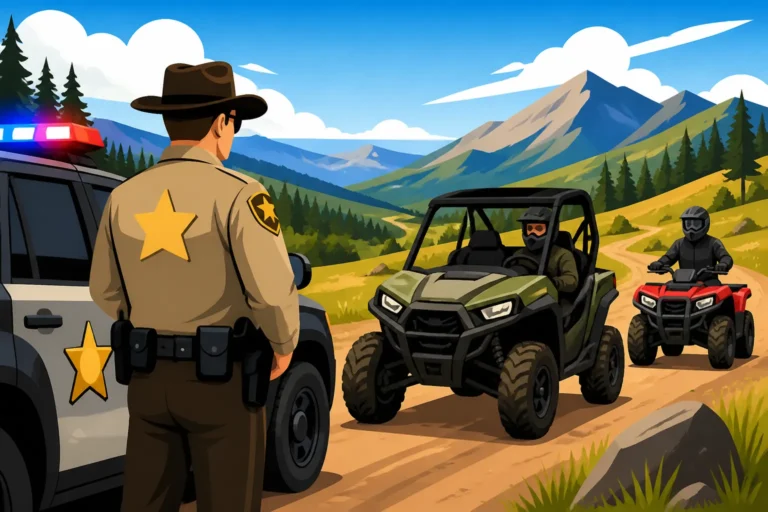
Landowners along Montana's rivers are often vigilant about trespass, and for good reason—they want to protect their property, privacy, and the ecological health of the river. Unintentional trespassing can lead to legal issues, confrontations, and damage to the good reputation of the OHV community. It's simply not worth the risk. Instead of risking a charge of [Montana Trespass Law for Riders], seek out designated trails and areas where boundaries are clear and access is explicitly permitted. If you are unsure about the ownership or access rights of a specific river bar area, it is always best to avoid riding there.
The Right Equipment and Preparedness
If you somehow find an approved and legal area to ride an OHV on a river bar (which is rare), you'll need a machine that's up to the task and a mindset of extreme preparedness. Water, sand, and gravel are brutal on machinery. Waterproofing your electronics, differentials, and other critical components is key, and some riders even install snorkel kits. Without these precautions, even shallow water crossings can lead to costly electrical failures or engine damage.
Appropriate tires are crucial for traction on varied riverbed terrain, from loose sand to slick, submerged rocks. Heavy-duty tires, perhaps from a brand like SuperATV, designed for aggressive traction and puncture resistance, are far better suited than standard trail tires. Recovery gear—a winch, tow straps, a shovel, and a sturdy anchor point—is absolutely non-negotiable. You will get stuck, or a riding buddy will. Always ride with a fully charged phone (though cell service in remote Montana can be spotty), a satellite messenger, and a comprehensive first-aid kit. Prepare for the unexpected, because on a river bar, the unexpected is the norm. Riding safely also means being aware of potential wildlife encounters, especially in remote areas. Remember to practice [Riding Safely in Grizzly Country] protocols, even when you're near a river.
Alternative Legal Riding Areas in Montana
Given the complexities and potential hazards of river bar riding, most OHV enthusiasts in Montana choose to stick to designated trails and areas where the rules are clear, and the riding is both legal and safer. Montana offers a wealth of incredible opportunities for ATVs and UTVs in managed environments.
Designated OHV Parks and Trails
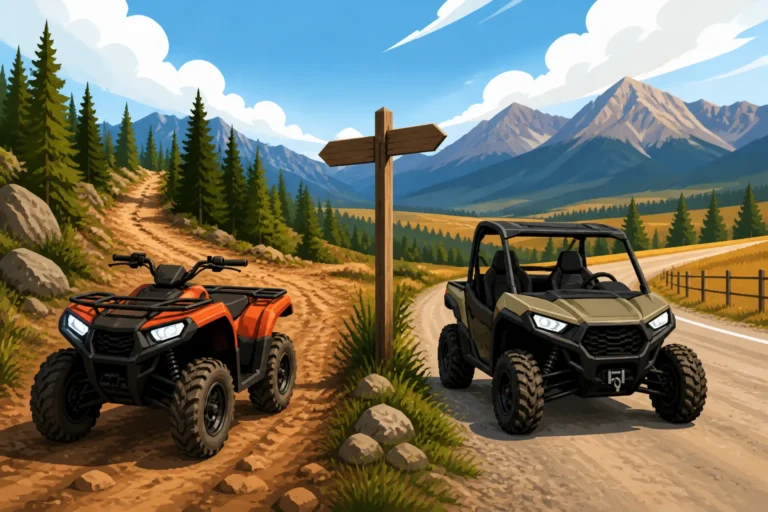
Montana boasts an impressive network of designated OHV trails and recreation areas within its national forests, BLM lands, and even some state parks. These areas are specifically managed for motorized recreation, meaning trails are maintained, signed, and the environmental impacts are monitored. Here, you can ride with peace of mind, knowing you are in an approved location and contributing to the upkeep of the trails through your registration fees and trail passes. Many of these trails offer varied terrain, from challenging rocky ascents to fast-paced two-track, some even winding near rivers or offering scenic overlooks of waterways, providing the "river experience" without the legal ambiguity or environmental risk of riding directly on a bar.
Exploring these designated trail systems often feels like discovering hidden gems. You might find yourself in the Lolo National Forest, the Custer Gallatin near Bozeman, or the Flathead National Forest, all offering unique riding opportunities. The best place to start planning your adventure is by checking [Where to Ride an OHV in Montana] to find a location that suits your machine and riding style. These sites provide a much more structured and enjoyable experience than constantly worrying about property lines or submerged hazards on a river bar.
Forest Service and BLM Roads and Trails
Beyond dedicated OHV parks, vast stretches of Montana's public lands managed by the U.S. Forest Service (USFS) and the Bureau of Land Management (BLM) offer countless miles of roads and trails open to motorized vehicles. While these are not always "trails" in the technical sense, many forest roads provide excellent opportunities for scenic rides, linking together different areas and sometimes paralleling rivers for miles. You can often find stunning views of waterways and access to fishing or camping spots without ever having to venture onto a river bar itself.
The key to riding on USFS and BLM lands is to always consult a Motor Vehicle Use Map (MVUM) for the specific forest or district you plan to visit. These maps are the definitive guide to where motorized vehicles are permitted and where they are not. They indicate open roads, trails, and seasonal closures. Understanding [Reading a Montana Motor Vehicle Use Map] is essential for responsible and legal riding. Additionally, remember that while you may have a Montana OHV registration, if you're an out-of-state rider, you'll need to consider [Montana's Non-Resident Temporary Use Permit] to ensure you're legally accessing these public lands. Many aftermarket accessories, such as those from SuperATV, like durable windshields or storage solutions, can significantly enhance your comfort and preparedness for these longer, more varied rides on forest roads and trails.
Here's a quick overview of the differences between river bar riding and designated trails:
| Feature | River Bar Riding (Generally Restricted/Risky) | Designated OHV Trails (Recommended/Legal) |
|---|---|---|
| Legality | Highly ambiguous, often restricted, risk of trespass or environmental violation. | Clearly defined legal access, rules posted, maps available. |
| Environmental Impact | High potential for damage to fragile riparian zones, fish, and wildlife habitat. | Managed to minimize impact, often designed for sustainability. |
| Safety | Unpredictable water levels, hidden hazards, soft ground, lack of clear egress. | Trails maintained, hazards generally marked, emergency services more accessible. |
| Required Equipment | Extensive waterproofing, heavy-duty recovery gear, advanced navigation, communication. | Standard trail riding gear, basic recovery, easier to navigate. |
| Signage/Markings | None for OHV use; difficult to determine property lines or safe zones. | Well-signed, numbered trails, clear boundaries. |
| Community Perception | Often seen negatively due to potential for damage and trespass. | Positive, community-supported recreation when rules are followed. |
| Permits/Registration | Montana OHV registration required, but does not grant river bar access. | Montana OHV registration and trail pass/permit often required. |
Disclaimer
This article is for general informational purposes only and does not constitute professional advice. Laws, prices and regulations vary by location and change over time. Consult a qualified professional for guidance on your specific situation.