Youth Riders at a Montana Staging Area
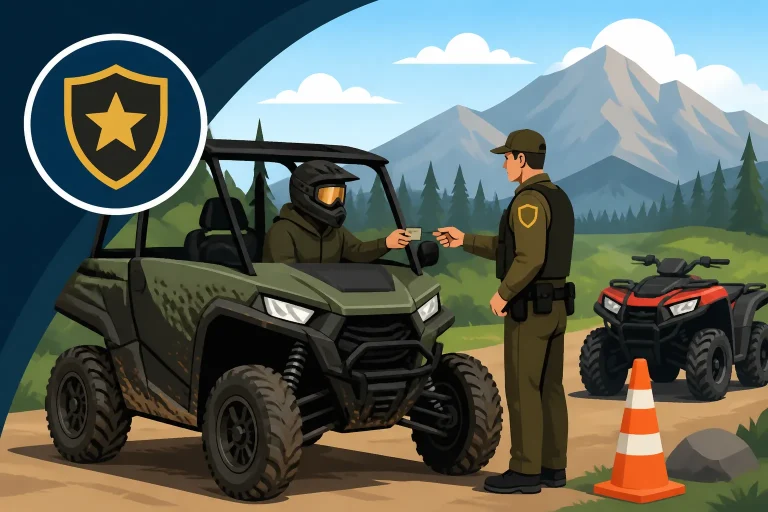
A Montana staging area can look like an easy place for a young rider to get comfortable, but it is not automatically a practice area or a permit-free zone. The rules depend on where the staging area sits, what machine the child is riding, and whether the route continues onto public land or a road. A little checking before unloading can prevent a stressful start.
What a staging area does and does not mean
A staging area is usually a place to park, unload, prepare machines, and connect with a trail or road. Its name does not tell you whether it is public or private, what activities are allowed there, or which riding rules apply. A signed trailhead lot, a privately operated staging facility, and a parking area beside a county road can all have different requirements.
Start by identifying who manages the site. It may be associated with a national forest, Bureau of Land Management land, a state or local recreation area, or private property. Check posted signs and any site-specific directions. If the entrance, parking area, or route is unclear, ask the land manager or facility operator before letting a young rider drive.
The important distinction is between being at the staging area and operating an OHV. A machine parked on a trailer is not being ridden, but once it is unloaded and moving, the rules for that location matter. If a marked route leads directly from the lot onto public land, plan as though the child will need to meet all applicable requirements before leaving the parking area.
A staging area is also not necessarily a designated practice course. Do not assume a child can ride around the lot, use empty corners for practice, or cross nearby ground simply because no one else is there. Follow signs, stay on authorized routes, and get permission before riding on private property. For the distinction between public-land access and riding on private ground, see Montana Rules on Private Land and Montana Permit Rules on Public Land.
A useful first check is to ask:
- Who manages the staging area?
- Is riding allowed within the lot, or is it only for parking and unloading?
- Where does the authorized route begin?
- Does the route permit the child’s type and width of machine?
- Are permits, registration, or safety education required for the planned ride?
- Are there temporary closures or local restrictions?
If signs give one answer and an online map appears to give another, do not treat the map as permission to ride. Contact the responsible manager or choose a route whose access rules are clear.
Check the rider, machine, and permit requirements together
Youth riding rules are not determined by age alone. The child’s height, control of the machine, passenger status, safety education, and the type of route all matter. A staging area does not change those conditions. Before a young rider starts the engine, confirm that the machine is appropriate and that the rider is allowed to operate it in the setting you plan to use.
Montana has safety education requirements for some OHV operators. Which riders must complete a course, and what proof they should carry, can depend on the rule and circumstances involved. Do not assume that a child’s age by itself settles the question, or that completing a course automatically makes every machine or route suitable. Review Montana OHV Safety Education Requirements and Who Must Take the Montana Course, then confirm current details with the relevant official source.
Age-related limits can also affect which machine a young person may operate and whether adult supervision is required. Check the specific rules for the rider’s age and machine rather than relying on what another family did at a different trailhead. The overview at Montana Age Rules for Riders Under 16 can help identify the questions to confirm. For choosing a machine that a child can control, see Youth Machine Size Rules Montana Parents Ask About.
Permits are a separate question. A staging area itself does not necessarily determine whether a pass or permit is needed. The key issue is where the machine will be operated and which land or route it will use. A permit that applies to public-land trail riding should not be assumed to authorize travel on a road, a closed route, or private property. Likewise, being able to park at a trailhead does not establish that every rider in the group may proceed onto the trail.
| Situation | What to check before unloading |
|---|---|
| Public trailhead with a signed route | Land-manager rules, open route status, permit requirements, machine access, and youth rules |
| Private staging facility | Operator’s permission, posted site rules, permitted practice areas, and any route conditions beyond the property |
| Lot beside a road | Whether the machine may operate in the lot and what separate rules apply on the road |
| Trailhead serving more than one route | The status and restrictions of the exact route you intend to ride |
| Youth rider on a borrowed or rented machine | Permission to use it, correct fit, operating instructions, insurance or contract conditions, and applicable permits |
For out-of-state families, check permit requirements before traveling to the trailhead. Montana’s visitor permit is not a blanket authorization for every kind of riding or every route. Review Montana’s Non-Resident Temporary Use Permit and confirm what applies to your machine and destination. Residents and visitors should both check the current requirements rather than assume a registration, sticker, or permit from one context covers another.
A rider who meets the permit rules may still be restricted by the route, the machine, or youth-specific requirements. Think of these as separate checks: permission to use the land, authorization for the machine, and permission for the child to operate it. Resolve all three before the ride.
Set up the staging area for a calm, controlled start
Busy staging areas can be awkward for new or young riders. Vehicles may be backing trailers, adults may be unloading equipment, and other machines may pass through. Treat the site as a work area unless signs specifically identify a safe riding space. Keep children close while equipment is being moved, and do not let them ride between parked vehicles or through active loading zones.
A straightforward setup routine helps:
- Park in a designated space without blocking the entrance, another trailer, or the route.
- Keep young riders away from moving vehicles and trailer ramps during unloading.
- Check posted notices for closures, route restrictions, and local directions.
- Confirm the child’s machine is suitable for the planned route and that required safety equipment is in place.
- Review the route and agree on where the child may ride, where the group will stop, and how the child should respond if separated.
- Start only when the staging area is clear and the group is ready to enter an authorized route.
The child should understand that the staging area is not a place to test top speed, race friends, or make sudden turns around parked vehicles. If there is no designated place to practice starting, stopping, and turning, find a suitable location where riding is expressly permitted. A quiet corner may still be part of a lot where motorized practice is not allowed.
Before leaving the lot, check that the child can reach and operate the controls, stop smoothly, turn in both directions, and follow a simple instruction. If the rider cannot do those things reliably, postpone the trail ride or use a properly authorized practice area. A child who is nervous or overwhelmed by noise and traffic may also benefit from watching the group prepare before taking a turn at the controls.
The adult supervising should be positioned to help, not simply riding somewhere ahead. Keep the group together at a pace the youngest rider can handle. Choose routes with room to stop, avoid difficult terrain beyond the child’s ability, and agree on signals before starting. If the child is a passenger rather than the operator, check the machine’s seating and restraint requirements, and confirm that the rider is allowed to carry a passenger. A machine designed for one rider is not made safe for two by a short trip across a parking area.
Protective equipment matters even during a short ride from the lot to a trail. A properly fitted helmet and eye protection are practical essentials; clothing should cover exposed skin and work with the weather and terrain. Check the rules that apply to young riders, including Montana Helmet Requirements Under 18. Make sure the child can see clearly, hear instructions, and use any required controls without clothing or gear interfering.
Plan for the route beyond the parking lot
The first stretch after a staging area may be the most confusing part of the outing. It can include a signed trail entrance, a road crossing, mixed traffic, or a short connection between the lot and the main route. Explain the route before setting off. Point out where the group will stop, which signs matter, and what the child should do if the group slows or stops.
Do not assume a trail visible on a phone map is open to every OHV. Route restrictions may depend on the land manager, machine type, seasonal conditions, or posted closure. Check current maps and notices from the agency managing the land. For many public-land routes, the relevant information may come from the Forest Service or BLM, but the specific manager depends on the location. Montana Trailhead Parking and Staging can help with planning the parking and access side of the trip, while What Montana Riders Need Before They Ride is a useful broader checklist.
For a youth ride, choose a route based on the least experienced person in the group, not the adult rider with the most experience. A short, open route can still become demanding if it has deep ruts, loose rock, steep grades, water, or heavy traffic. Leave room to turn around before the terrain becomes difficult. If weather, smoke, dust, fatigue, or mechanical trouble changes the conditions, stop and reassess rather than press on to meet a planned destination.
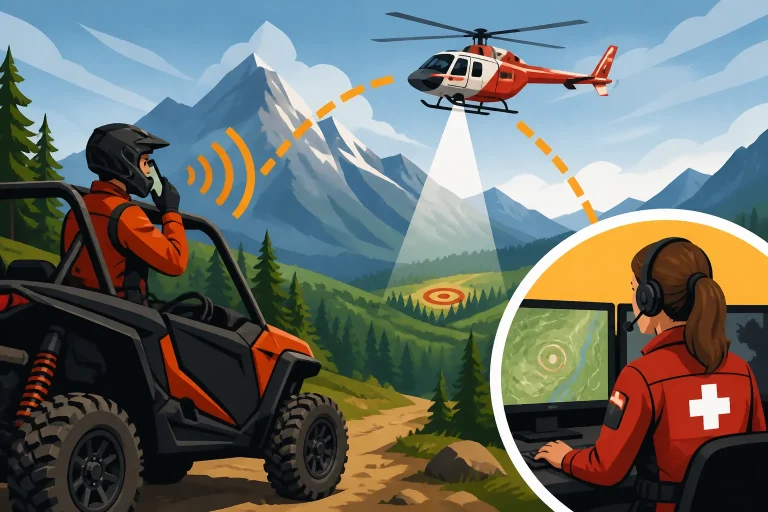
Have a plan for separation. Tell the child to stop in a safe place and wait if they lose sight of the group, rather than trying to catch up by taking an unfamiliar turn. Agree on a simple meeting point and a signal for stopping. On remote routes, consider that phone service may be unreliable; do not rely on a call as the only way to regroup.
Before heading home, return to the designated parking area and keep the same care around trailers and moving vehicles. Let the child know when it is safe to approach the machine, and supervise unloading. A well-managed end to the outing helps prevent the rushed mistakes that can happen when everyone is tired and eager to leave.
When any important detail is uncertain, pause before unloading or riding. Ask the site operator or land manager about access, and check official information for current permit, age, safety education, and route requirements. A staging area is a convenient starting point, not a substitute for checking where the ride is allowed to go.
Disclaimer
This article is for general informational purposes only and does not constitute professional advice. Laws, prices and regulations vary by location and change over time. Consult a qualified professional for guidance on your specific situation.