Blind Curves on a Montana Canyon Road
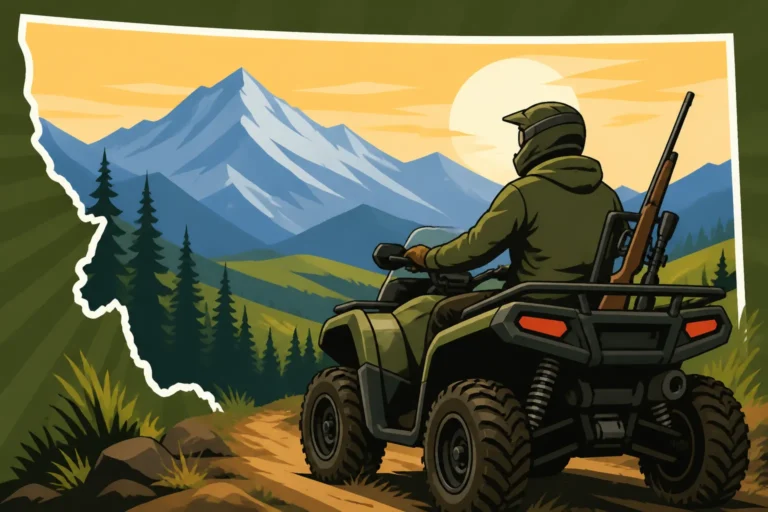
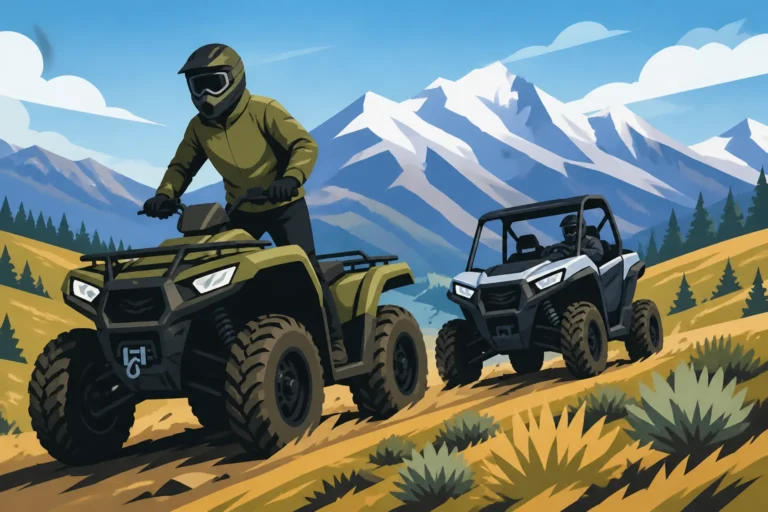
There's nothing quite like the thrill of exploring Montana's incredible backcountry on an ATV or UTV, especially when those winding canyon roads open up to breathtaking vistas. But let's be honest, those same scenic routes, particularly when you're navigating a blind curve, can also be a source of real anxiety. That sudden dip, the towering rock face, the thick stand of pines – it all conspires to hide whatever might be waiting on the other side. This guide is here to walk you through the very real dangers of blind curves on Montana's canyon roads and equip you with the strategies, gear, and mindset you need to ride them safely and confidently.
Understanding the Hidden Dangers of Montana's Canyon Roads
Montana's landscape is famously rugged and stunning, and the roads that traverse it often follow the natural contours of the land, carving through canyons and clinging to mountainsides. While this creates an unparalleled riding experience, it also introduces specific challenges, especially when those roads disappear around a bend that you simply can't see past.
The Unseen Hazards Around the Bend
Blind curves are aptly named because they literally blind you to what's coming. You're riding along, enjoying the scenery, and then the road just vanishes. The most immediate and terrifying hazard is oncoming traffic. Whether it's another ATV, a side-by-side, a pickup hauling a horse trailer, or even a logging truck on a [Riding a Logging Road in Western Montana], you have mere seconds to react if they're on your side of the road. This isn't an interstate highway with wide lanes and shoulders; these are often narrow, sometimes single-lane, tracks.
Beyond other vehicles, there's a whole host of other surprises that Montana's wild country can throw at you. Imagine rounding a curve to find a herd of cattle being driven down the road, a deer frozen in your headlights, or even a bear ambling across. [Wildlife You Meet on a Montana Trail] isn't just a concern on dedicated trails; it's a very real possibility on these remote roads too. Then there's the road itself – unexpected washouts, loose gravel, fallen rocks, or even a patch of mud or ice that's been hiding in the shadows. The suddenness of encountering these obstacles with limited reaction time is what makes blind curves so uniquely dangerous.
Why Canyon Roads Amplify the Risk
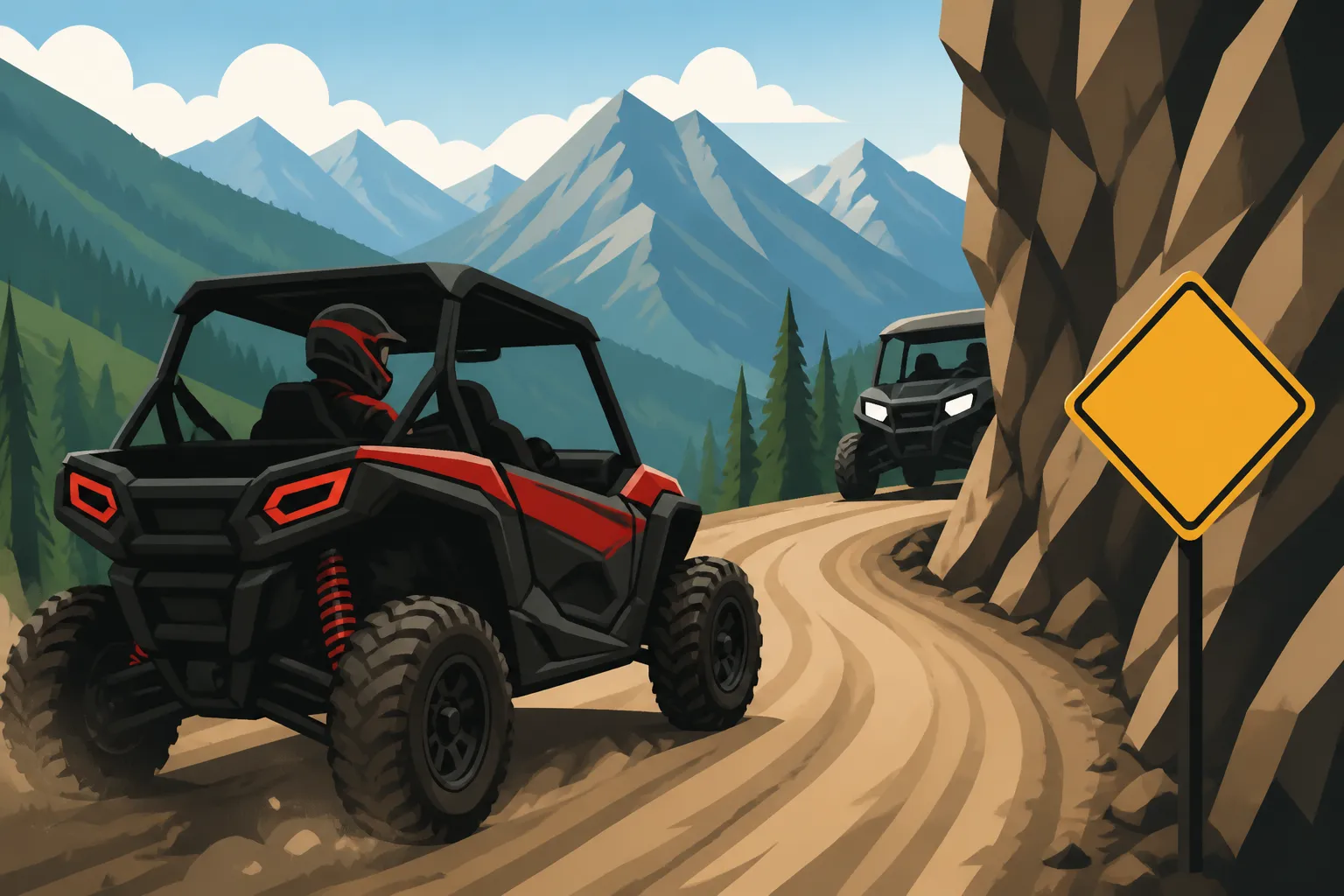
Canyon roads, by their very nature, amplify these risks. They are often carved into the side of a mountain, meaning one side might be a sheer rock face, and the other a steep, unforgiving drop-off, sometimes hundreds of feet down. There's rarely a forgiving shoulder to swerve onto. The road surface can change abruptly from packed dirt to loose gravel, then to a short paved section, and back again, all within a single curve. This variability demands constant attention and quick adaptation from the rider.
Furthermore, the very features that make canyons beautiful – towering rock walls, dense tree cover, and deep shadows – conspire to reduce visibility even further. Sunlight can play tricks, creating stark contrasts that hide hazards. A curve might be well-lit on one side and plunged into deep shadow on the other, making it impossible to see details until you're right on top of them. The narrow confines can also create a kind of tunnel vision, where your focus is drawn forward, but your peripheral vision is limited by the surrounding terrain. This combination of limited space, unpredictable surfaces, and poor sightlines makes canyon roads through blind curves a true test of a rider's skill and vigilance.
Essential Riding Strategies for Blind Curves
Navigating blind curves on Montana's canyon roads isn't about hoping for the best; it's about proactive strategies that put you in control. It's about thinking ahead and riding defensively, always assuming there's something around that bend you haven't seen yet.
Master Your Position and Speed
One of the most crucial elements of safely riding blind curves is how you position your machine and manage your speed. For a right-hand blind curve, you want to approach slightly to the left side of your lane (but still firmly within your lane, never crossing the center line if one exists, or over into oncoming traffic's potential path). This gives you the widest possible view around the curve. As you enter the curve, aim for the apex (the innermost point of the curve), and then drift slightly to the right as you exit, once visibility improves. For a left-hand blind curve, you'll want to hug the right side of your lane on entry to gain maximum visibility, then follow a similar line. The key isn't to take the fastest line, but the safest line that offers the best sightlines while remaining on your side of the road.
More importantly, you need to manage your speed. Slow down before you enter the curve, not when you're already in it and realize you can't see. Think of it this way: enter the curve at a speed where you could safely stop if there was a complete blockage right at the apex. This often means downshifting and using engine braking, allowing your machine to slow naturally, rather than relying solely on your brakes in the middle of a turn. Smooth throttle and brake control are paramount. Err on the side of caution; a few extra seconds gained by slowing down could save you from a major incident. Remember that [Montana Speed Limits for OHVs on Roads] are often just a guideline; conditions on these canyon roads frequently warrant much slower travel.
Maximizing Your Visibility and Being Seen
In a world where you can't see what's coming, making sure others can see you becomes critically important. Always run with your headlights and taillights on, even in broad daylight. Many modern ATVs and UTVs have excellent integrated lighting, but if you're riding an older machine or frequently find yourself in deep shadows, consider aftermarket LED lighting from a brand like SuperATV. These can dramatically improve your ability to see and be seen, especially when light conditions are variable. Don't forget to check your [Headlight and Taillight Rules in Montana] to ensure you're compliant for road use.
Another often-underused tool is your horn. Before entering a truly blind curve where you have zero visibility, a quick, short tap on the horn can serve as a warning to any unseen vehicle or person on the other side. This isn't about being aggressive; it's about safety. Just a quick "beep-beep" can alert someone to your presence. If your machine is equipped with mirrors, make sure they are clean and properly adjusted. While they won't help you see around the curve, they are vital for knowing what's behind you, which is important if you need to slow suddenly or pull over. A tall whip flag can also make your machine more visible over rises and through trees, especially to larger vehicles whose drivers might be looking further down the road.
Equipping Your Machine and Yourself for Safety
Beyond riding technique, your equipment and preparedness play a huge role in mitigating the risks of blind curves and remote canyon roads. It's not just about what you do, but what you have with you.
Machine Readiness and Safety Gear
Before you even leave your staging area, a thorough pre-ride check of your ATV or UTV is non-negotiable. This means inspecting your tires for proper pressure and tread wear, checking your brakes (front and rear) for responsiveness, and ensuring all your lights, including brake lights, are fully functional. A breakdown in a remote canyon, especially after dark, is a scenario you want to avoid at all costs. You're riding a machine that's going to be subjected to bumps, dust, and vibrations, so loose bolts and failing components are always a possibility.
For yourself, personal protective equipment (PPE) is paramount. A DOT-approved helmet is your first line of defense against serious injury, even if you're an adult and not legally required to wear one in all situations. [Montana Helmet Rules for Riders Under 18] exist for a reason, but gravity and solid objects don't care about your age. Eye protection, whether it's goggles or a face shield, keeps dust, debris, and insects out of your eyes, ensuring you maintain clear vision. Long sleeves and pants, gloves, and sturdy boots protect against abrasions and impacts. Consider brightly colored outerwear to make yourself more visible to other road users, especially on those roads shared with larger vehicles. For machines that regularly navigate rough terrain, upgrading stock parts to more robust options, like heavy-duty A-arms or skid plates from a company like SuperATV, can provide peace of mind against unexpected impacts from rocks or debris hidden just beyond a blind turn.
Communication and Contingency Planning
Riding in a group offers inherent safety advantages, especially on canyon roads. Establish a staggered riding formation, which allows each rider to have an unobstructed view of the terrain ahead and avoids riding directly in another's dust. Designate a lead rider (experienced, knowledgeable about the route) and a sweep rider (also experienced, often carrying extra tools or a first-aid kit). Learn and use clear hand signals for common hazards, turns, and stops.
In Montana's vast backcountry, cell service is often nonexistent. Relying on your smartphone for emergencies is a gamble you can't afford to take. Carrying a satellite messenger or a two-way radio (like a GMRS or HAM radio, if licensed) is a smart move. These devices can literally be lifesavers, allowing you to call for help even when you're miles from the nearest signal tower. Finally, have a contingency plan. What if you get a flat tire? What if your engine suddenly dies? Carrying a basic tool kit, a tire repair kit, a first-aid kit, extra water, and some emergency food can turn a major crisis into a manageable inconvenience. Sharing your route and estimated return time with someone back home is also a crucial safety measure.
Montana Road Rules and Responsible Riding Etiquette
Riding legally and responsibly on Montana's canyon roads isn't just about avoiding a ticket; it's about ensuring safety for everyone who shares these beautiful, often remote, pathways. It's also about preserving access for future generations.
Understanding Montana's OHV Road Regulations
Montana has specific rules for operating ATVs and UTVs on public roads. It's not a free-for-all, and many canyon roads are indeed public roads. First and foremost, your machine needs to be registered with the state, and you must display your [Where a Montana OHV Decal Goes] prominently. If you're an out-of-state rider, you'll need the appropriate non-resident permit. Your machine also needs to meet certain equipment requirements to be considered street legal, even on county roads. This generally includes at least one headlight and taillight, brakes, a muffler with a spark arrester, and working mirrors if you're driving on roads with speed limits over 35 mph. It's vital to know [What Montana Requires on an OHV Road Ride] before you venture out.
Additionally, drivers must hold a valid driver's license, and there are age and safety education requirements, especially for younger riders. [Montana Alcohol Limits for OHV Operators] are just as strict as they are for cars, and the penalties for infractions can be severe, including [Fines for an Unregistered Machine in Montana] or operating under the influence. Always stay on designated roads and trails; riding off-road without permission is trespassing and can lead to hefty fines and damage to fragile ecosystems. Respecting these rules not only keeps you safe but also helps maintain the good standing of the OHV community.
Respecting Shared Spaces and Wildlife
Many of Montana's canyon roads serve multiple purposes. They might be used by ranchers to move cattle, by loggers for timber operations, or by residents accessing their homes. This means you need to be constantly aware of other users and be ready to yield. If you encounter a large vehicle, like a logging truck or a rancher's pickup, on a narrow blind curve, the smaller vehicle (you, in this case) should be prepared to pull over safely and let them pass. Good etiquette means stopping, giving them space, and often waving a friendly greeting.
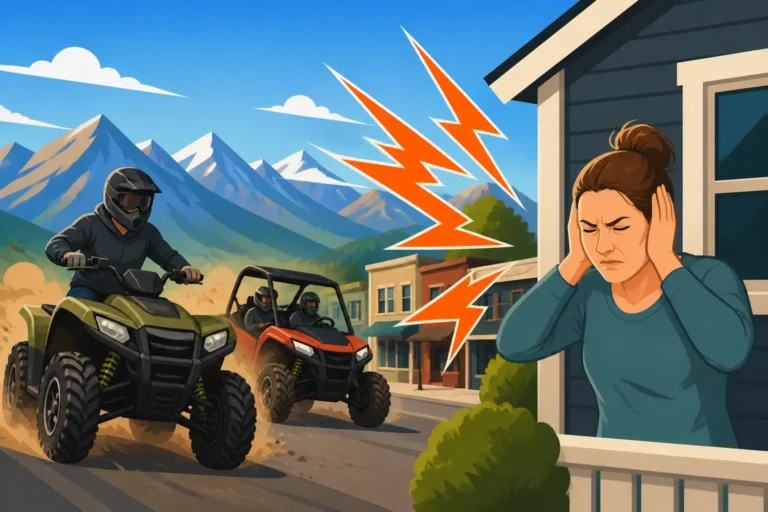
Minimizing your impact is also crucial. When riding on unpaved roads, be mindful of the dust you kick up. If you're following another vehicle, leave ample space to let the dust settle. If you pass a home or livestock, slow down and keep noise to a minimum. You might encounter [Cattle Guards on a Montana Back Road]; cross them slowly and carefully. When the conditions are dry, the dust created by ATVs and UTVs can be significant, so try to keep [Dust Behind You on a Ranch Road] to a minimum, especially when passing property or other users. Finally, always be on the lookout for wildlife. We share these lands with an incredible array of animals, and respecting their space and being prepared for sudden encounters is part of responsible riding in Montana.
| Hazard Type | Specific Danger Around the Bend | Recommended Response | Safety Gear/Equipment |
|---|---|---|---|
| Oncoming Traffic | Head-on collision, swerving into hazard | Reduce speed significantly, stay to your side, tap horn briefly. | Bright lights, working horn, reflective clothing. |
| Wildlife | Sudden stop, swerving, impact | Reduce speed, scan edges, be prepared to brake or stop, avoid sudden movements. | Clear eye protection, effective headlights, working brakes. |
| Road Conditions | Washouts, rocks, mud, ice, loose gravel | Reduce speed, shift weight, choose line carefully, avoid braking mid-corner. | Appropriate tires, well-maintained suspension, quality brakes. |
| Other Users | Hikers, cyclists, horseback riders, livestock | Reduce speed, give wide berth, make presence known respectfully, yield right-of-way. | Audible horn (friendly tap), clear communication, respectful demeanor. |
| Poor Visibility | Shadows, trees, rock formations, sun glare | Maintain lower speed, increase following distance, use lights, avoid looking directly into sun. | Good quality headlights/taillights, clean windshield/goggles, sunglasses/visor. |
| Drop-offs | Loss of control, machine overturn | Stay to the inside of the curve (away from the edge), maintain smooth steering/throttle. | Roll cage (UTV), sturdy seatbelts, appropriate tires for traction. |
Disclaimer
This article is for general informational purposes only and does not constitute professional advice. Laws, prices and regulations vary by location and change over time. Consult a qualified professional for guidance on your specific situation.